
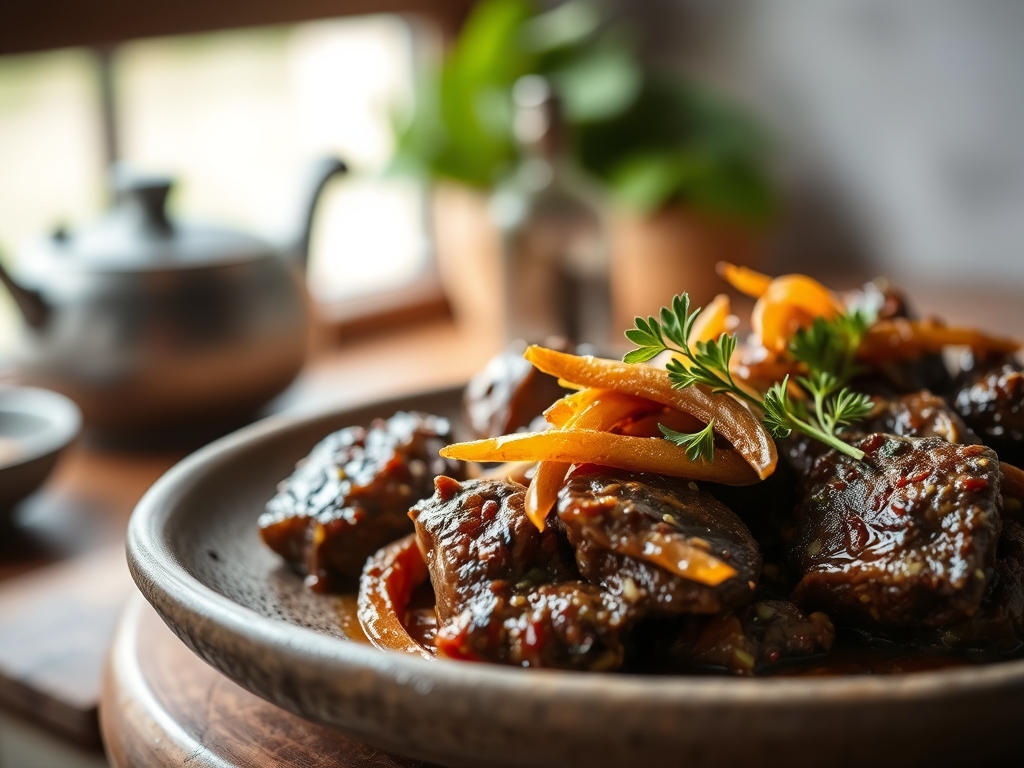
Picture a kitchen at dusk where the air is heavy with the scent of toasted peppercorns and slow-simmered marrow. There is a specific, primal magic that happens when cold steel meets searing fat. We are not just making lunch; we are engineering the ultimate comfort through high-density hot beef recipes that bridge the gap between soulful home cooking and rigorous culinary science.
The perfect sandwich is a structural masterpiece. It requires a foundational understanding of how proteins denature and how starches gelatinize under heat. When you pull a blade roast from a low-temperature braise, you are witnessing the conversion of tough collagen into silky gelatin. This transformation is what gives a hot beef sandwich its luxurious, mouth-coating quality. Whether it is a French Dip dripping with piquant au jus or a Chicago-style Italian beef spiked with giardiniera, the goal is always the same: achieving a perfect balance of fat, acid, and heat.
In the following guide, we will explore six variations of hot beef recipes that will redefine your weekend meal prep. We are going to treat our ingredients with the respect a chemist treats their reagents. Grab your favorite heavy-bottomed skillet and let us get to work.
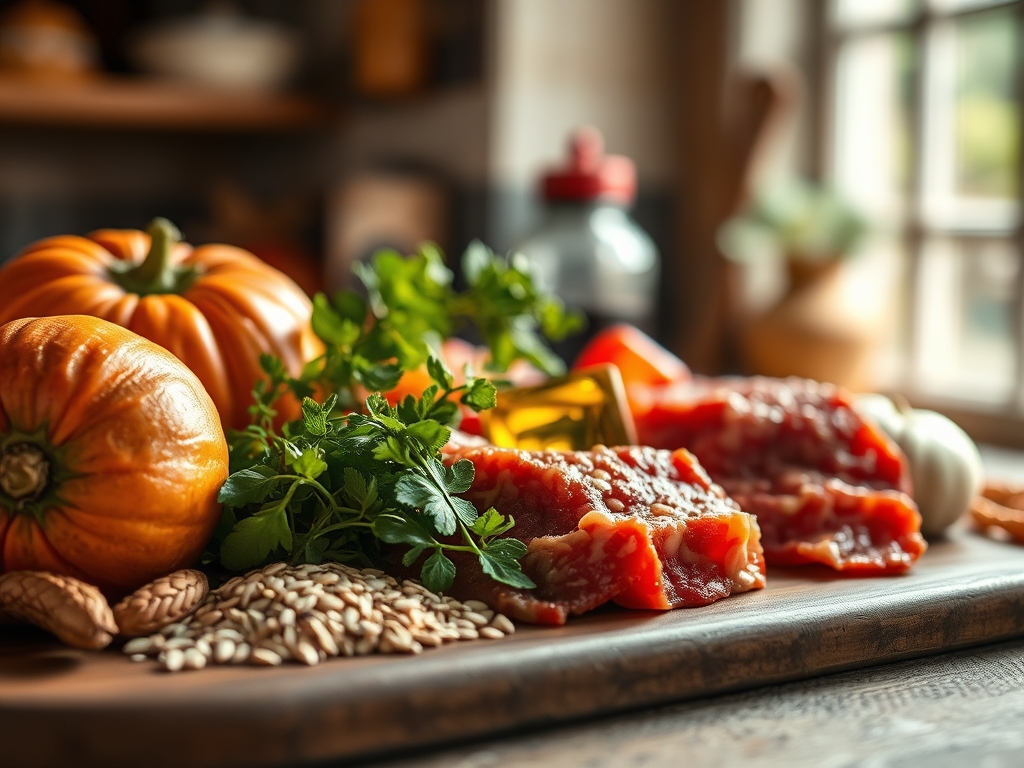
The Gathers:
To execute these hot beef recipes with precision, your mise-en-place must be impeccable. Start with the protein. You want cuts with significant intramuscular fat, such as chuck roast or ribeye, as these render beautifully during the cooking process. For the aromatics, gather whole cloves of garlic, shallots, and fresh sprigs of thyme. The science of flavor starts here; these aromatics contain volatile oils that infuse the cooking fat, creating a complex base for your meat.
Your pantry staples should include high-quality beef stock, Worcestershire sauce for umami depth, and a sharp mustard to provide a piquant counterpoint to the rich beef. Do not forget the bread. A sturdy hoagie or a sourdough baguette is essential; it must have enough structural integrity to hold moisture without becoming a soggy mess.
Smart Substitutions:
If you cannot find chuck roast, a brisket flat works beautifully due to its long muscle fibers. For a lower-sodium profile, swap traditional soy sauce for liquid aminos. If you are out of fresh garlic, use a microplane to grate frozen garlic ginger cubes directly into the pan for an instant flavor burst.
The Clock
Efficiency in the kitchen is about mastering the Chef's Flow. For these hot beef recipes, expect a total active prep time of 30 minutes, with a passive cook time ranging from 20 minutes for thin-sliced steak to 4 hours for a slow-braised roast.
The "Flow" dictates that you should prepare your cold components (like horseradish cream or pickled onions) while the meat is searing or braising. This utilizes the thermal downtime effectively. Always allow for a 15-minute rest period for the meat after cooking. This is not a suggestion; it is a thermal requirement to allow juices to redistribute through the muscle fibers.
The Masterclass
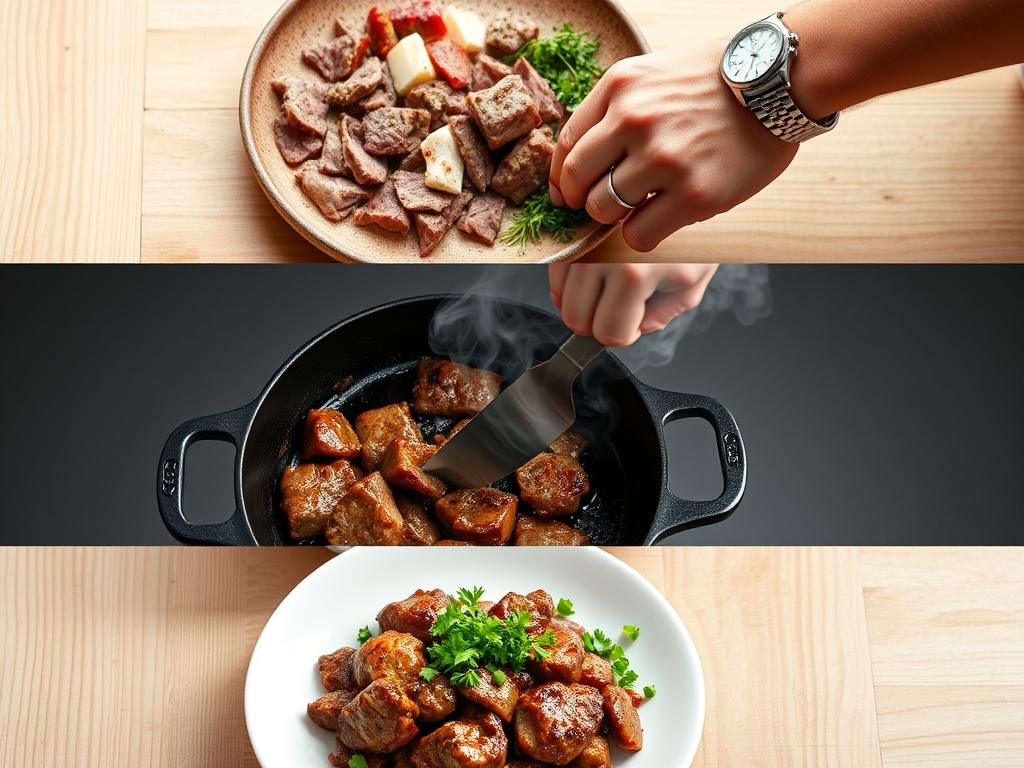
1. The Sear and the Maillard Reaction
Place your beef in a screaming hot heavy-bottomed skillet with a high-smoke-point oil like avocado oil. Do not crowd the pan. You are looking for a deep, mahogany crust.
Pro Tip: This is the Maillard Reaction at work. It is a chemical reaction between amino acids and reducing sugars that creates hundreds of different flavor compounds. If the pan is too crowded, the meat will steam instead of sear, ruining the flavor profile.
2. Deglazing the Fond
Once the meat is browned and removed, use a liquid like red wine or beef stock to deglaze the pan. Use a bench scraper or wooden spoon to lift the browned bits (the fond) from the bottom.
Pro Tip: The fond contains concentrated protein and sugars that provide the "soul" of your sauce. By deglazing, you are creating a viscous emulsion that forms the base of your gravy or au jus.
3. The Low and Slow Braise
For shredded hot beef recipes, submerge the seared meat halfway in a flavorful liquid and cover tightly. Maintain a gentle simmer; never a rolling boil.
Pro Tip: Keeping the temperature below 200 degrees Fahrenheit prevents the muscle fibers from tightening too quickly. This slow heat allows enzymatic browning and collagen breakdown to occur without drying out the interior of the meat.
4. Aerating the Sauce
Once the meat is tender, remove it and whisk a cold knob of butter into the remaining liquid using a saucier.
Pro Tip: This technique, known as monter au beurre, helps aerate and thicken the sauce. The milk solids in the butter act as an emulsifier, creating a glossy, professional finish that clings to the bread.
5. Toasting for Structural Integrity
Slice your rolls and slather them with garlic butter before placing them under the broiler until golden.
Pro Tip: Toasting creates a hydrophobic barrier on the bread surface. This prevents the juices from the hot beef recipes from soaking through the crumb too quickly, ensuring the sandwich maintains its crunch.
6. The Assembly and Rest
Layer the beef generously, top with cheese if desired, and let the sandwich sit for two minutes before slicing.
Pro Tip: This brief rest allows for thermal carryover, where the residual heat from the beef perfectly melts the cheese and softens the crust of the bread just enough for a cohesive bite.
The Deep Dive
When we look at the macro nutrition of these hot beef recipes, we are looking at a high-protein, moderate-fat profile. A standard 6-ounce serving of beef provides roughly 42 grams of protein. To balance this, ensure your side dishes are fiber-rich, like a vinegar-based slaw.
Dietary Swaps:
For a Keto version, ditch the bun and serve the beef over a bed of roasted cauliflower or inside a large butter lettuce leaf. For Gluten-Free needs, ensure your beef stock is certified GF and use a sturdy gluten-free baguette. For a Vegan alternative, use "pulled" king oyster mushrooms seared with liquid smoke and soy sauce to mimic the umami of beef.
The Fix-It:
- Tough Meat: If the beef is chewy, it likely hasn't braised long enough for the collagen to melt. Return it to the pot for another 45 minutes.
- Salty Sauce: If you over-reduced your jus, add a splash of water or a pinch of sugar to balance the sodium.
- Soggy Bread: This happens when the meat isn't drained. Use tongs to shake off excess liquid before placing the beef on the roll.
Meal Prep Science:
To maintain "day-one" quality, store the beef and the liquid separately. When reheating, use a low-power setting on the microwave or a small saucepan. This prevents the proteins from "re-cooking" and becoming rubbery.
The Wrap-Up
Mastering hot beef recipes is about more than just following a list of ingredients; it is about understanding the physics of the kitchen. From the sizzle of the initial sear to the final, glossy pour of the au jus, every step is a deliberate move toward flavor perfection. You now have the technical toolkit to turn a simple cut of meat into a legendary meal. Go forth, use your digital scale for precision, and make your kitchen the smartest place in the house!
The Kitchen Table
How do I make the beef more tender?
The key is time and temperature. Use a slow cooker or a heavy-bottomed skillet on low heat. This allows the collagen to break down into gelatin, which provides that melt-in-your-mouth texture essential for premium sandwiches.
What is the best cut for hot beef sandwiches?
Chuck roast is the gold standard because of its high fat content and connective tissue. It holds up well to long cooking times and shreds easily without becoming dry or stringy during the reheating process.
Can I make these recipes ahead of time?
Yes, beef actually tastes better the next day. As it cools, the flavors continue to infuse and the liquid becomes more viscous. Store the meat in its own juices to keep it hydrated and flavorful.
How do I prevent a soggy sandwich?
Toast your bread thoroughly to create a crisp crust. You can also apply a thin layer of mayonnaise or butter, which acts as a moisture barrier between the juicy beef and the soft interior of the bread.