
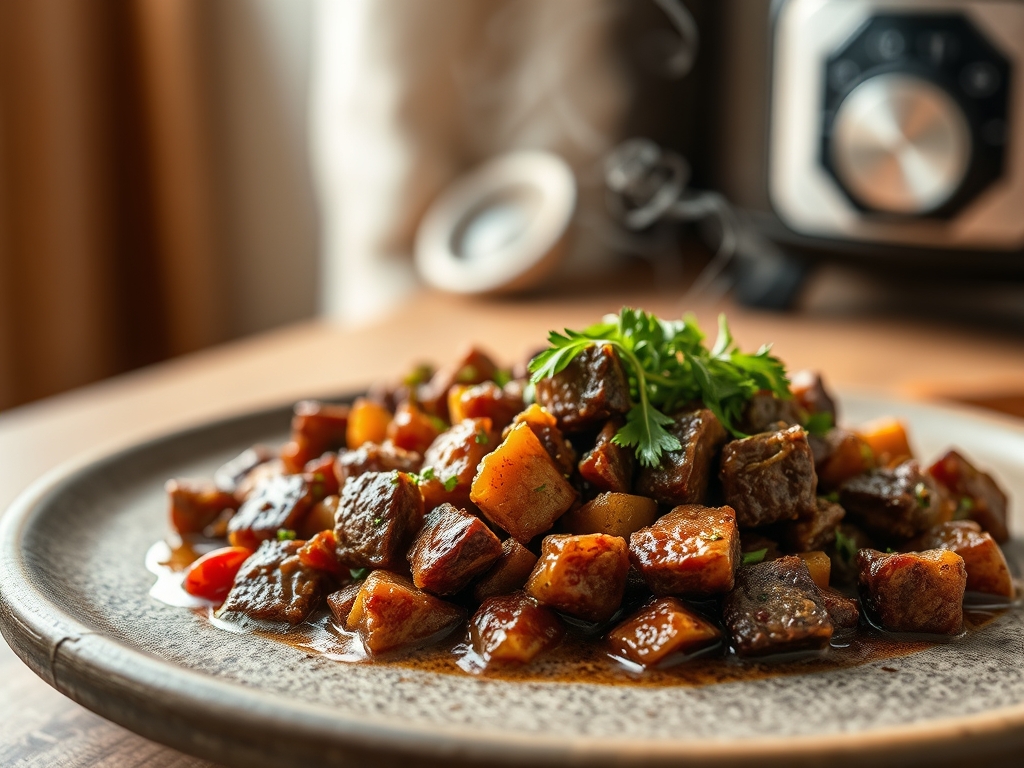
The aroma of caramelizing proteins is a biological siren song. Most people hear the phrase slow cooker and immediately envision a murky, beige puddle of overcooked carrots. We are moving past that. When searching for slow cooker diced beef recipes not stew, you are looking for texture; you want structural integrity and bold, concentrated flavors that defy the soggy stereotypes of crockpot cooking.
Imagine beef cubes that have undergone a total molecular transformation. Instead of drowning in a liter of broth, these morsels are glazed in piquant reductions or shredded into silky, fat-rendered piles of perfection. We are leveraging the low and slow method to break down tough collagen into gelatin without losing the distinct character of the meat. This is about precision heat application. By the time we finish, you will have eight distinct ways to utilize that pack of diced beef that have absolutely nothing to do with a traditional vegetable medley. We are talking about Korean-inspired short rib bowls, zesty street tacos, and buttery French dips that will make your heavy-bottomed skillet jealous.
The Gathers:
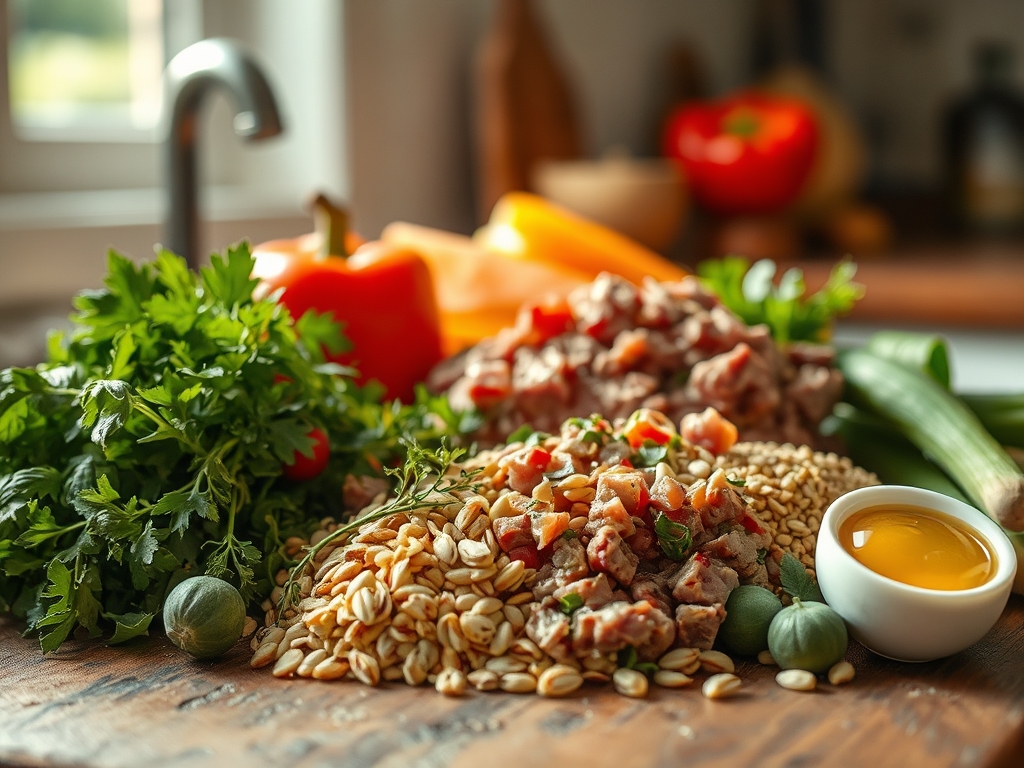
Before we engage the heating element, we must curate our mise-en-place. For the highest quality results, look for chuck or brisket cuts. These contain the necessary intramuscular fat and connective tissue required for a long braise. If you use lean round steak, the muscle fibers will simply desiccate and turn into wood pulp.
The aromatics are your foundation. Use a microplane to grate fresh ginger and garlic into a fine paste; this increases the surface area for maximum flavor infusion. You will also need a high-smoke-point oil like avocado or grapeseed for the initial sear. If you are out of beef stock, do not reach for water. Instead, use a combination of dry red wine to deglaze and a splash of soy sauce for an umami boost.
Smart Substitutions: If you are avoiding alcohol, a tablespoon of balsamic vinegar mixed with pomegranate juice mimics the acidity and tannins of a Cabernet. If you lack fresh aromatics, use fermented black garlic paste for a deeper, more complex sweetness. Always use a digital scale to measure your meat; 2 pounds is the sweet spot for most 6-quart slow cookers to ensure even heat distribution.
The Clock:
Efficiency in the kitchen is about the Chef's Flow. This is the art of overlapping tasks to minimize downtime. Your active prep time is exactly 20 minutes. This includes dicing the aromatics and searing the beef in batches.
The passive cook time is where the magic happens. On a low setting, expect 7 to 8 hours. On high, you can achieve tenderness in 4 to 5 hours. However, the science favors the low setting. Rapid boiling can cause the muscle fibers to contract too quickly, squeezing out moisture before the collagen has a chance to melt. Once the timer dings, allow for a 15-minute rest period. This is the thermal carryover phase where the juices redistribute, ensuring your beef is succulent rather than dry.
The Masterclass:
1. The Maillard Sear
Place your heavy-bottomed skillet over high heat until the oil shimmers. Pat the beef dry with paper towels; moisture is the enemy of browning. Sear the cubes in batches to avoid crowding the pan, which leads to steaming rather than browning.
Pro Tip: This step triggers the Maillard reaction, a chemical dance between amino acids and reducing sugars that creates hundreds of different flavor compounds you cannot get from boiling alone.
2. Deglazing the Fond
Once the meat is removed, pour a splash of liquid into the hot pan. Use a bench scraper or wooden spoon to lift the brown bits (the fond) from the bottom.
Pro Tip: This liquid contains concentrated savory notes that act as a natural flavor enhancer for the entire dish, providing a complex base that store-bought bouillon can never replicate.
3. The Aromatics Infusion
Add your garlic, ginger, or onions to the slow cooker first, followed by the seared beef. Pour the deglazing liquid over the top. Use tongs to ensure every piece of beef is lightly coated in your flavor base.
Pro Tip: Placing aromatics at the bottom subjects them to direct heat from the base element, allowing their essential oils to aerate and permeate the meat from the bottom up.
4. The Low and Slow Phase
Set your cooker to low. Resist the urge to lift the lid. Every time you peek, you lose significant heat and moisture, extending the cook time by 20 minutes.
Pro Tip: Maintaining a steady temperature is vital for enzymatic browning and the slow conversion of collagen into gelatin, which gives the sauce a naturally viscous mouthfeel without adding flour.
5. The Final Reduction
If your sauce is too thin after cooking, transfer the liquid to a saucier and simmer on the stovetop for 10 minutes.
Pro Tip: Reducing the liquid concentrates the solutes, increasing the density of the flavor. This creates a glaze that clings to the beef rather than a watery broth.
The Deep Dive:
From a nutritional perspective, slow-cooked beef is a powerhouse of bioavailable iron, zinc, and B12. A standard 4-ounce serving contains roughly 250 calories and 28 grams of protein. To keep it Keto, omit any added sugars or cornstarch thickeners and serve over riced cauliflower. For a Vegan swap, use large chunks of king oyster mushrooms or seitan, though the cook time will drop significantly to about 2 hours.
The Fix-It:
- Tough Meat: If the beef is still rubbery, it simply hasn't cooked long enough. The collagen hasn't melted. Give it another hour.
- Bland Flavor: You likely missed the sear or forgot to deglaze. Fix this by stirring in a teaspoon of fish sauce or Worcestershire sauce at the end.
- Greasy Sauce: If there is too much rendered fat, drop a few ice cubes into the liquid. The fat will cling to the ice, allowing you to scoop it out easily.
Meal Prep: When reheating, do not use the microwave on high power. This toughens the proteins. Instead, use a small saucepan over low heat with a splash of water to re-hydrate the gelatinous sauce. This preserves that day-one silky texture.
The Wrap-Up:
Mastering slow cooker diced beef recipes not stew is a total game changer for your weekly rotation. You have moved beyond the "dump and go" mentality into the realm of intentional, scientific cooking. By focusing on the sear, the reduction, and the proper cut of meat, you can create sophisticated meals that taste like they came from a high-end bistro. Whether you are piling this beef into bao buns or serving it over creamy polenta, you are now the master of the slow-cooker universe. Go forth and sear!
The Kitchen Table:
Can I put frozen diced beef in the slow cooker?
No. This is a food safety risk. Frozen meat stays in the bacterial danger zone (40F to 140F) for too long. Always thaw beef completely in the refrigerator before adding it to the slow cooker to ensure even, safe cooking.
Why is my slow cooker beef always dry?
You likely used a lean cut like sirloin or round steak. These lack the fat and connective tissue needed for long braising. Stick to chuck or brisket, and ensure you are using the low setting to prevent protein desiccation.
Do I really have to brown the meat first?
Technically no, but your flavor will suffer. Searing creates the Maillard reaction, which develops deep, savory complexity. Without it, the meat will have a gray color and a boiled, one-dimensional taste. It is worth the extra ten minutes.
How do I thicken the sauce without flour?
The best way is to reduce the liquid in a separate pan on the stovetop. Alternatively, you can mash a few pieces of the cooked beef back into the sauce or use a tiny bit of xanthan gum for a keto-friendly thickener.