
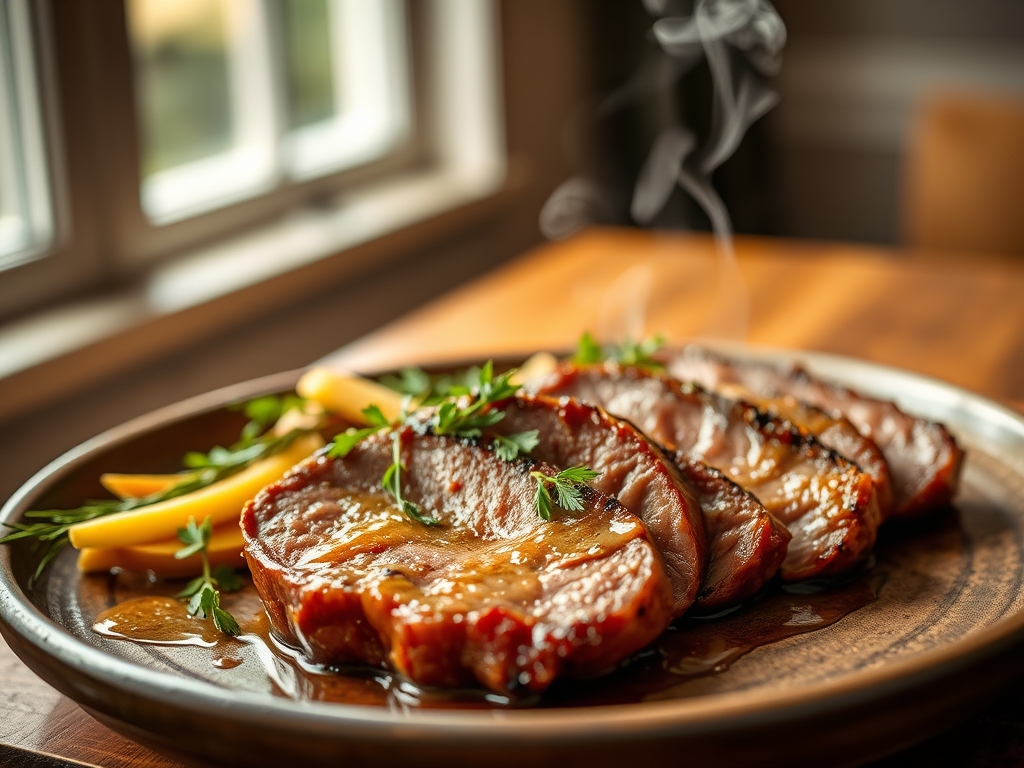
Picture this: a heavy-bottomed skillet shimmering with heat, the sharp hiss of cold protein meeting a searing surface, and an aroma so deeply savory it practically pulls you into the kitchen by your apron strings. When you master bottom round beef recipes, you are not just cooking dinner; you are performing a culinary transformation on one of the most misunderstood cuts of the steer. We are taking a lean, muscular roast and coaxing it into a state of buttery, melt-on-the-tongue perfection through the magic of low-and-slow thermodynamics. This is the ultimate comfort food for the modern intellectual. It is efficient, cost-effective, and scientifically rewarding. Whether you are hosting a Sunday supper or prepping high-protein lunches for a grueling work week, this guide will turn you into the resident beef whisperer. We are going to dive into the chemistry of connective tissue and the beauty of a perfectly deglazed pan sauce. Grab your digital scale and your favorite chef's knife; it is time to elevate the humble bottom round into a masterpiece of texture and flavor.
The Gathers:
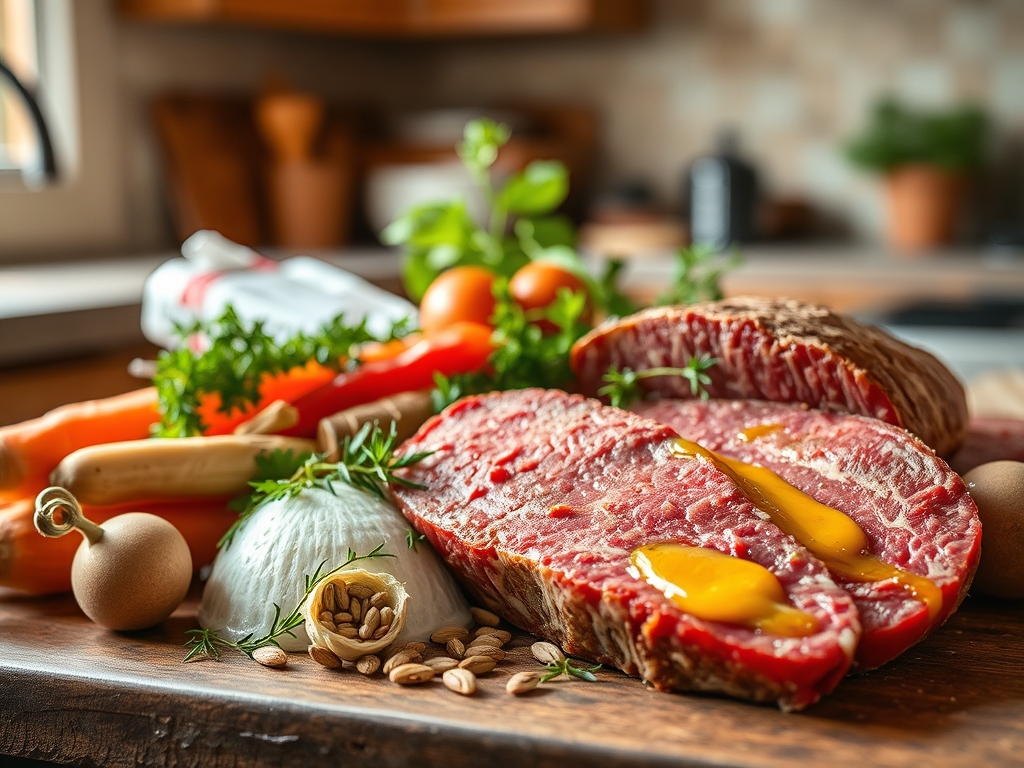
The secret to professional-grade results lies in the mise-en-place. For these bottom round beef recipes, we require ingredients that provide both structural integrity and a piquant flavor profile. You will need a three-pound bottom round roast, trimmed of excess silver skin but retaining a thin fat cap for moisture. Gather high-smoke-point avocado oil, kosher salt (the coarse grains are essential for moisture extraction), and freshly cracked black pepper. For the braising liquid, secure a viscous beef bone broth, a dry red wine like Cabernet Sauvignon to provide acidity, and a bouquet garni of fresh thyme, rosemary, and bay leaves.
Smart Substitutions: If you are avoiding alcohol, replace the wine with a mixture of beef broth and two tablespoons of balsamic vinegar to mimic the acidity. If you cannot find bottom round, a top round or eye of round works, though the cook times may vary by fifteen minutes due to differences in muscle density. Use a microplane to zest a bit of garlic into the rub for an immediate aromatic lift that penetrates the meat faster than sliced cloves.
The Clock
Efficiency in the kitchen is about managing the "Chef's Flow." Total active prep time is approximately twenty minutes, where you will focus on searing and aromatics. The passive cooking time is where the heavy lifting happens; expect three to four hours in a low-temperature oven or six to eight hours in a slow cooker.
The Chef's Flow dictates that you should prep your vegetables and aromatics while the meat is tempering on the counter. Never pull beef directly from the fridge and drop it into a hot pan. Giving the roast thirty minutes to reach room temperature ensures a more even heat distribution during the initial sear. This prevents the "gray ring" phenomenon where the outside overcooks before the center even begins to render.
The Masterclass
1. The Temper and Seasoning
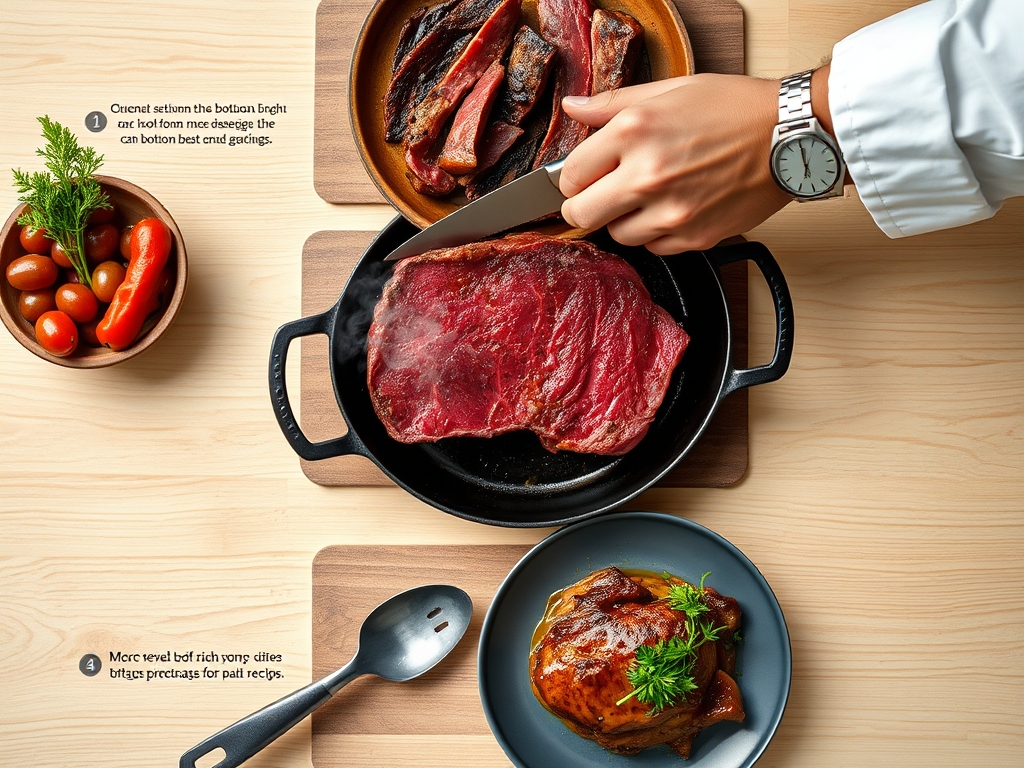
Pat the roast bone-dry with paper towels. Use your digital scale to measure out 1.5 percent of the meat's weight in kosher salt. Rub the salt and pepper vigorously into every crevice of the beef. Let it sit for at least thirty minutes.
Pro Tip: This process is called dry-brining. The salt draws out moisture, dissolves into a concentrated brine, and is then reabsorbed into the muscle fibers through osmosis, seasoning the meat deeply while breaking down tough proteins.
2. The Maillard Sear
Heat avocado oil in a heavy-bottomed skillet until it reaches the shimmering point. Use stainless steel tongs to press the beef into the pan. Sear each side for four minutes until a deep, mahogany crust forms.
Pro Tip: This is the Maillard reaction. It is a chemical reaction between amino acids and reducing sugars that creates hundreds of different flavor compounds. Without this step, your beef will lack the complex, savory "umami" profile essential for bottom round beef recipes.
3. Aromatics and Deglazing
Remove the beef and set it aside. Toss in diced mirepoix (onions, carrots, celery). Use a wooden spoon or a bench scraper to loosen the brown bits (the fond) from the bottom of the pan. Pour in your wine to deglaze, scraping vigorously.
Pro Tip: Deglazing captures the caramelized proteins stuck to the pan and incorporates them into your sauce. The alcohol in the wine acts as a solvent, releasing flavor molecules that are not water-soluble.
4. The Low and Slow Braise
Place the roast back into the pot or a saucier. Add broth until it reaches halfway up the side of the beef. Cover tightly with a lid or foil to create a pressurized steam environment. Move to a 300-degree Fahrenheit oven.
Pro Tip: At this temperature, collagen (the tough connective tissue) begins to denature into gelatin. This process is time-dependent, not just temperature-dependent. Gelatin provides the "lip-smacking" viscous mouthfeel that makes lean cuts taste succulent.
5. The Rest and Carve
Once the internal temperature hits 195 degrees Fahrenheit for a "shredding" texture or 145 degrees for slicing, remove it from the heat. Let the meat rest on a cutting board for at least twenty minutes before using a sharp carving knife to slice against the grain.
Pro Tip: Resting allows for thermal carryover, where the internal temperature continues to rise slightly. More importantly, it allows the muscle fibers to reabsorb the juices. If you cut too soon, the moisture will flood the board, leaving the meat dry.
The Deep Dive
From a nutritional standpoint, bottom round beef recipes are a powerhouse. This cut is exceptionally lean, offering high protein density with significantly less saturated fat than a ribeye or chuck roast. It is a prime source of Vitamin B12, zinc, and bioavailable iron.
Dietary Swaps:
- Keto: Ensure your braising liquid has no added sugars; skip the carrots and use radishes for a similar texture with fewer carbs.
- Vegan: While this specific guide focuses on beef, you can apply the "sear and braise" technique to large "steaks" of lion's mane mushrooms or celery root using vegetable demi-glace.
- Gluten-Free: Always verify your beef broth is certified GF, as some brands use yeast extract derived from barley.
The Fix-It:
- Tough Meat: If the beef is still rubbery, it simply hasn't cooked long enough for the collagen to convert to gelatin. Put it back in for another forty-five minutes.
- Bland Sauce: If the sauce tastes flat, it lacks acidity. Stir in a teaspoon of red wine vinegar or a squeeze of lemon juice at the very end to brighten the flavors.
- Greasy Surface: If too much fat rendered out, use a chilled metal spoon to skim the surface, or toss in an ice cube; the fat will cling to the cold surface for easy removal.
Meal Prep Science: To maintain "day-one" quality, store the sliced beef submerged in its own braising liquid. This prevents oxidation (which causes that "leftover" taste) and keeps the proteins hydrated during reheating. Reheat gently on the stovetop over low heat rather than using a microwave, which can toughen the fibers.
The Wrap-Up
Mastering bottom round beef recipes is a rite of passage for any home cook looking to marry economy with gourmet execution. By understanding the transition of collagen to gelatin and the importance of the Maillard reaction, you have moved beyond following a recipe into the realm of true culinary artistry. This roast is a testament to the fact that patience and technique trump expensive cuts every single time. So, go ahead and pour yourself a glass of that leftover Cabernet; you have earned it. Your kitchen now smells like a high-end French bistro, and your dinner is going to be absolutely legendary.
The Kitchen Table
What is the best way to slice bottom round beef?
Always slice against the grain. Look for the direction the muscle fibers are running and cut perpendicular to them. This shortens the fibers, making the meat much easier to chew and providing a tender mouthfeel.
Can I cook bottom round beef in a pressure cooker?
Yes. Use the "Manual" setting for 60 to 80 minutes with at least one cup of liquid. The high pressure accelerates the breakdown of connective tissue, though you may lose some of the subtle depth found in a slow oven braise.
Why is my bottom round roast dry even with liquid?
Overcooking is usually the culprit. Even in liquid, muscle fibers can contract and squeeze out moisture if the internal temperature goes too high for too long. Aim for a "fork-tender" state rather than boiling the meat into oblivion.
How do I get a thicker gravy from the drippings?
Create a slurry by mixing one tablespoon of cornstarch with two tablespoons of cold water. Whisk this into the simmering braising liquid after removing the meat. Boil for one minute until the sauce becomes translucent and viscous.