
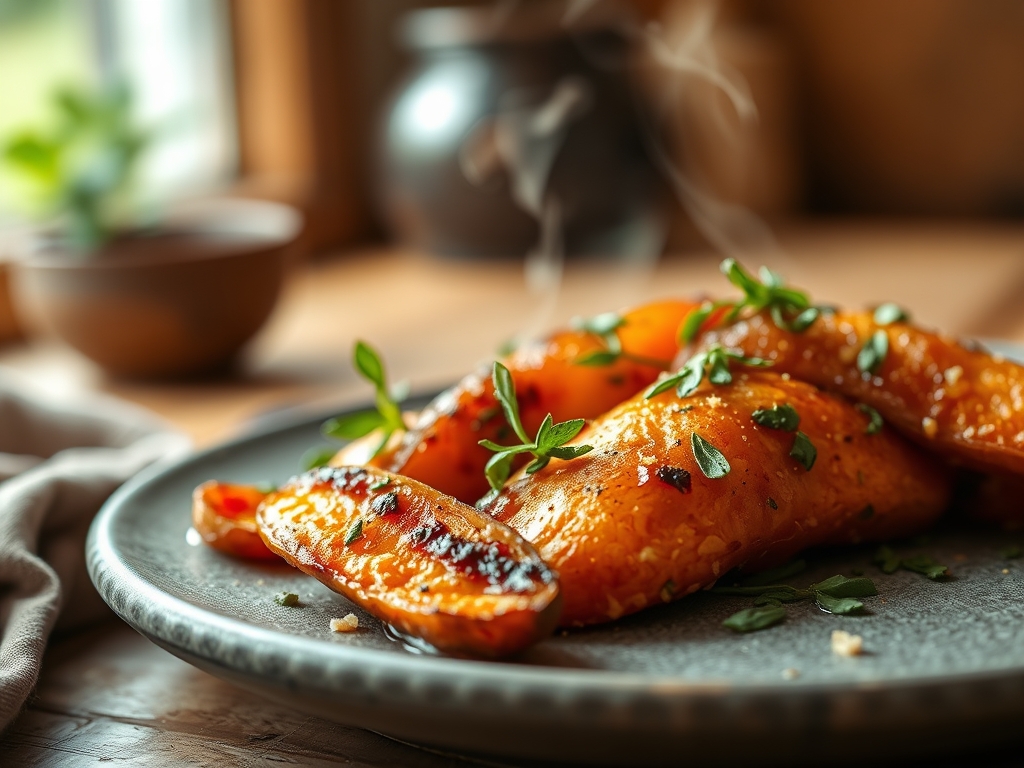
Imagine a kitchen filled with the scent of caramelized sugar and earth; a scent so thick you can almost taste it. We are chasing that perfect contrast between a shattered, crisp exterior and a center that yields like velvet. Mastering easy roasted sweet potato recipes is less about the heat and more about the chemistry of transformation.
The humble tuber is a powerhouse of complex carbohydrates waiting to be unlocked. When we roast, we are not just cooking; we are orchestrating a series of thermal reactions that turn starch into liquid gold. It is the ultimate weeknight victory because it requires minimal effort for a maximal, high-nutrient payoff. Whether you are tossing them into a vibrant grain bowl or serving them as a standalone star, the secret lies in the details. We are going to move past the soggy, lackluster cubes of the past. Today, we embrace the science of the crunch. Grab your favorite apron and let's get technical with your dinner.
The Gathers:
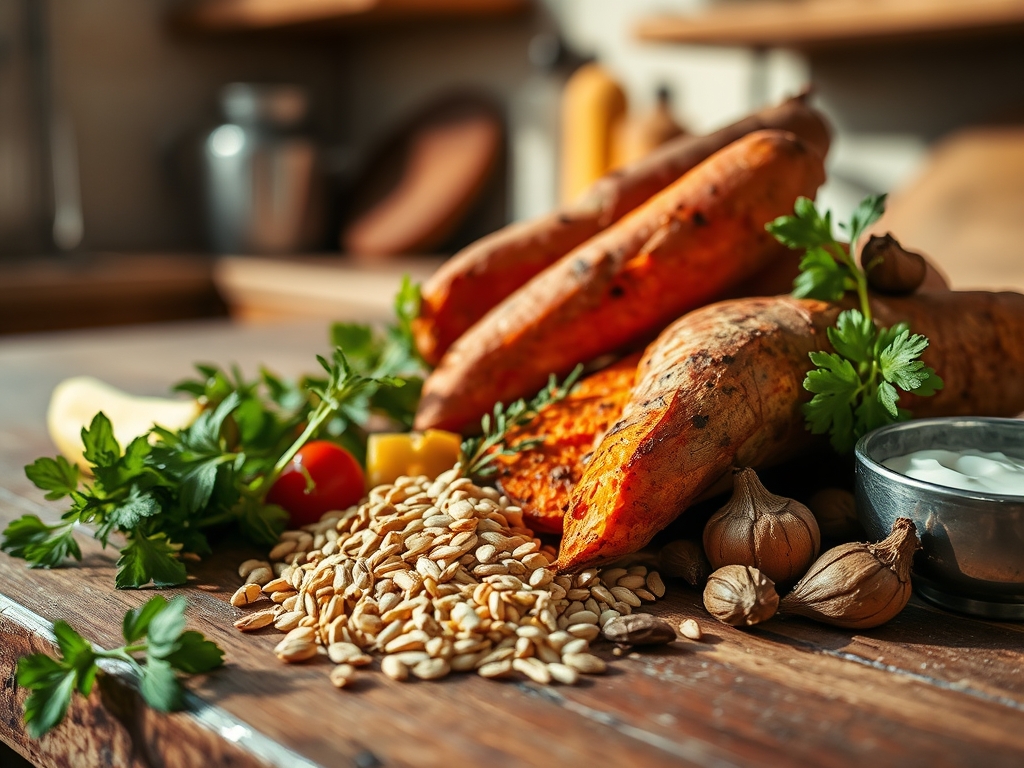
To begin, we need to curate our mise-en-place. Use a digital scale to ensure your potatoes are uniform in weight, which guarantees an even cook time across the tray. You will need two pounds of garnet or jewel sweet potatoes; these varieties have a high moisture content that creates a viscous, jammy interior.
For the fat, skip the butter for now. We need a high smoke point oil like avocado or grapeseed oil to withstand the 425 degree Fahrenheit environment without breaking down. You will also need kosher salt, which has a jagged crystal structure that adheres better to the surface than fine table salt. If you want a piquant kick, gather smoked paprika and a touch of cayenne.
Smart Substitutions: If you are avoiding nightshades, swap the paprika for ground cumin or coriander to maintain an earthy depth. For a different fat profile, render some duck fat or use refined coconut oil for a subtle, tropical undertone that pairs beautifully with the natural sugars of the potato.
The Clock
Efficiency in the kitchen is all about the Chef's Flow. This is the art of overlapping tasks so that no second is wasted. Your total active prep time should be exactly 10 minutes, with a roast time of 25 to 30 minutes.
Start by preheating your oven with the sheet pan inside. This is a crucial "pro move" that initiates an immediate sear the moment the potatoes hit the metal. While the oven climbs to temperature, you perform your knife work. By the time you finish dicing and seasoning, the oven is a heat-sink ready for action. The total "floor to table" time is under 45 minutes, making this the crown jewel of efficient meal planning.
The Masterclass
1. The Precision Cut
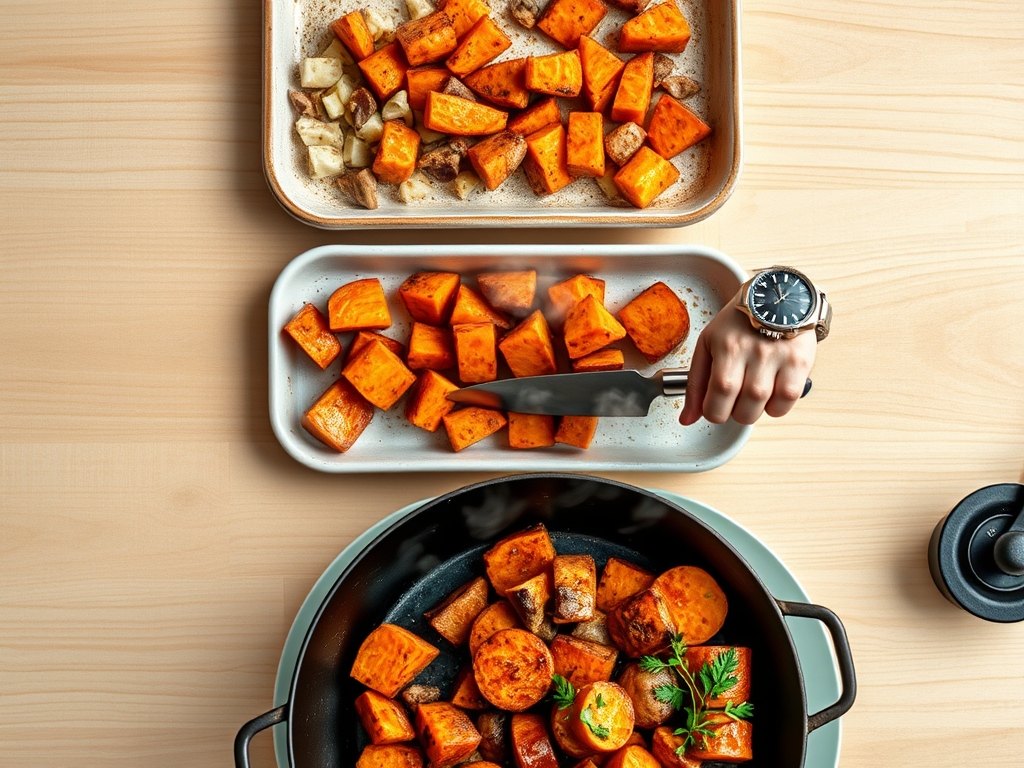
Use a sharp chef's knife or a bench scraper to organize your cubes. Aim for a consistent 3/4 inch dice. Uniformity is not just for aesthetics; it ensures that every piece reaches the ideal internal temperature simultaneously.
Pro Tip: This prevents thermal carryover from overcooking smaller pieces while larger ones remain raw. Consistent surface area allows for even heat distribution.
2. The Surface Prep
Before adding oil, pat the potatoes bone-dry with a lint-free towel. Moisture is the enemy of the Maillard reaction. If the surface is wet, the oven's energy is spent evaporating water rather than browning the starch.
Pro Tip: Drying the exterior facilitates enzymatic browning, allowing the natural sugars to caramelize faster and more deeply.
3. The Emulsion Toss
In a large stainless steel bowl, whisk your oil and spices until they form a light emulsion. Toss the potatoes vigorously. You want every crevice coated in a thin, shimmering film of fat.
Pro Tip: The oil acts as a heat conductor, transferring the oven's energy into the potato's surface more efficiently than air alone.
4. The Preheated Sear
Carefully pull your hot sheet pan from the oven and spread the potatoes in a single layer. You should hear an immediate sizzle. This initial contact infuses the bottom surface with a crust that prevents sticking.
Pro Tip: This "shock" cooking method prevents the starch from becoming gummy by setting the exterior structure instantly.
5. The Airflow Rule
Do not crowd the pan. If the potatoes are touching, they will steam instead of roast. Use two pans if necessary to ensure at least half an inch of space between each cube.
Pro Tip: Proper spacing allows hot air to aerate the spaces between the food, ensuring the sides get as crispy as the top and bottom.
6. The Mid-Point Flip
Halfway through the roast, use tongs or a metal spatula to flip the cubes. This ensures that the side in contact with the pan does not burn while the other sides remain pale.
Pro Tip: Flipping redistributes the internal moisture, preventing the bottom from becoming overly saturated with rendered sugars.
7. The High-Heat Finish
If your potatoes look soft but not brown, crank the heat for the last five minutes. This final blast of energy triggers the final stage of caramelization.
Pro Tip: This late-stage heat spike exploits the Leidenfrost effect, where the last bit of surface moisture creates a steam barrier that protects the interior while the skin crisps.
8. The Rest Period
Once out of the oven, let the potatoes sit on the hot pan for three minutes before moving them. This allows the internal steam to settle and the crust to fully harden.
Pro Tip: Resting allows the starches to retrograde, which improves the "bite" and prevents the cubes from falling apart when handled.
9. The Acid Brightener
Just before serving, use a microplane to zest a bit of lime or lemon over the top. The acid cuts through the density of the starch and the richness of the oil.
Pro Tip: Acid acts as a flavor enhancer that balances the sweetness, making the savory notes of the spices pop on the palate.
The Deep Dive
From a macro nutrition perspective, sweet potatoes are a "slow-carb" superstar. They are packed with beta-carotene and fiber, which helps stabilize blood sugar. For those following specific diets, these are naturally gluten-free. To make them Keto-friendly, keep portions small and pair them with high-protein fats. For a vegan twist, ensure your "acid" step uses citrus rather than a honey-based glaze.
The Fix-It: Common Pitfalls
- Soggy Potatoes: Usually caused by overcrowding. Fix: Spread them out or use a wire rack set over the baking sheet.
- Burnt Edges, Raw Middle: The oven was too hot too fast. Fix: Lower the temperature by 25 degrees and roast longer.
- Sticking to the Pan: You likely didn't use enough oil or failed to preheat the pan. Fix: Use a saucier to drizzle a little warm oil over stuck pieces to loosen them.
Meal Prep Science: To reheat, avoid the microwave. The microwave agitates water molecules, making the potato mushy. Instead, use a toaster oven or an air fryer. This re-dehydrates the surface, restoring that "day-one" crunch through rapid convection.
The Wrap-Up
Mastering easy roasted sweet potato recipes is about respecting the chemistry of the ingredients. By controlling moisture, maximizing surface area, and utilizing high-quality tools, you transform a basic root vegetable into a culinary masterpiece. These techniques aren't just for potatoes; they are the foundation of all great vegetable roasting. Now, go forth and crisp with confidence!
The Kitchen Table
How do I make roasted sweet potatoes crispier?
Ensure the potatoes are completely dry before oiling. Use a preheated baking sheet and avoid overcrowding the pan. The extra space allows steam to escape, which is essential for a crunchy exterior and a soft, pillowy interior.
Can I roast sweet potatoes with the skin on?
Yes, the skin contains extra fiber and nutrients. Just be sure to scrub them thoroughly with a vegetable brush. The skin also adds an extra layer of texture that becomes delightfully crispy when roasted at high temperatures.
What is the best temperature for roasting sweet potatoes?
The sweet spot is 425 degrees Fahrenheit. This temperature is high enough to trigger the Maillard reaction and caramelize the natural sugars quickly without burning the exterior before the inside is fully cooked and tender.
Why are my roasted sweet potatoes turning out mushy?
Mushiness is usually the result of steaming rather than roasting. This happens if the potatoes are too close together on the pan or if you didn't dry them properly after washing. Give them plenty of breathing room!