
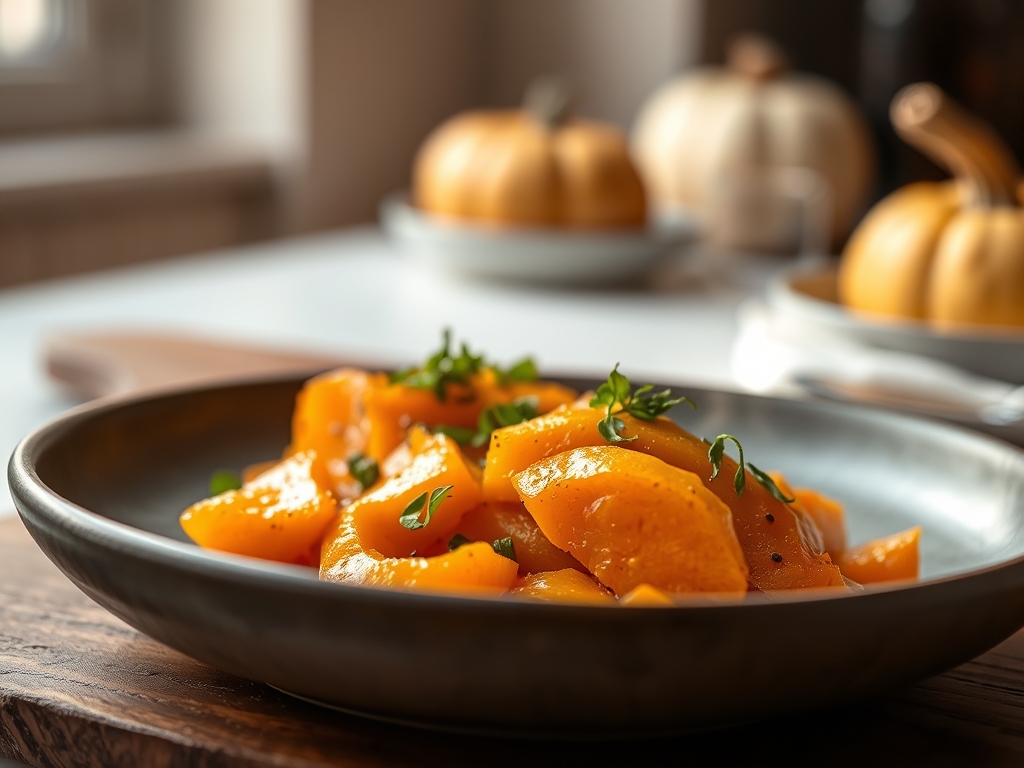
Imagine the scent of caramelized sugars dancing through your kitchen as the autumn sun dips below the horizon. There is a specific, intoxicating magic that happens when the earthy, dense fiber of a garnet yam meets the velvety, custard-like profile of a roasted sugar pumpkin. These pumpkin sweet potato recipes are not just seasonal comfort food; they are a masterclass in structural vegetable chemistry and flavor layering. We are moving beyond the basic mash to explore how these two orange powerhouses can be emulsified into silken bisques, folded into pillowy gnocchi, or roasted into charred, piquant salads.
The secret lies in the moisture content. Pumpkins are high in water but low in starch, while sweet potatoes are packed with complex carbohydrates that convert to maltose when heated. When you marry them, you create a base that is both structurally sound and incredibly luscious. Whether you are prepping a high-performance weeknight meal or a sophisticated dinner party centerpiece, mastering the synergy between these tubers will elevate your culinary repertoire. Let us dive into the alchemy of the harvest.
The Gathers:
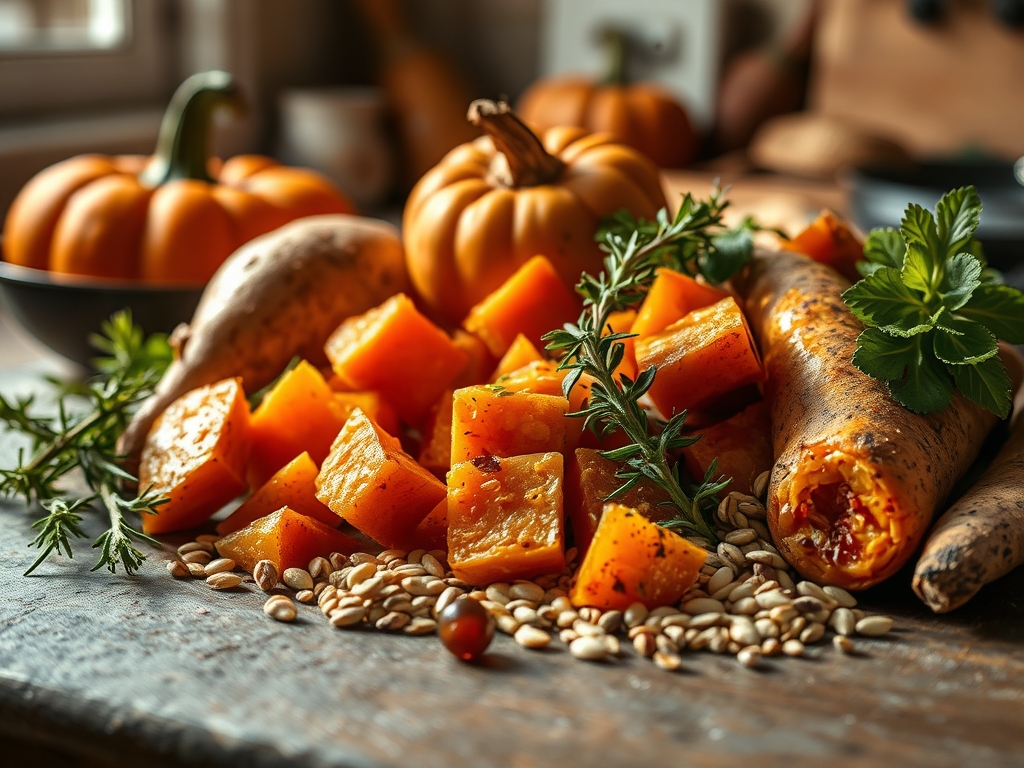
To execute these pumpkin sweet potato recipes with precision, your mise-en-place must be impeccable. Start with your primary aromatics: Spanish onions for depth and shallots for a delicate, sulfurous bite. You will need a high-quality fat source, such as grass-fed butter or cold-pressed coconut oil, to render the fat-soluble vitamins (A and E) found in our star ingredients.
For the spices, reach for fresh ginger root and a microplane to grate it into a fine, fibrous paste. You will also need toasted cumin, smoked paprika, and a touch of nutmeg to highlight the natural vanillin notes in the sweet potato. Keep a bottle of dry white wine or apple cider vinegar nearby to deglaze your pan; acidity is the necessary foil to the natural sweetness of this duo.
Smart Substitutions: If you cannot find a culinary-grade sugar pumpkin (avoid the watery "Jack-o-Lantern" varieties), a Kabocha or Red Kuri squash offers a similar viscous texture. For a lower-glycemic option, swap half of the sweet potato for roasted cauliflower; it mimics the bulk without the sugar spike.
The Clock:
Efficiency in the kitchen is about "Chef's Flow." For these recipes, expect a total time of 60 minutes. Preparation takes 20 minutes, involving the peeling, dicing, and measuring of your aromatics. The cooking phase takes 40 minutes, primarily dedicated to the Maillard reaction during roasting or the gentle simmering required to soften the pectin in the cell walls.
To optimize your flow, use a bench scraper to move your chopped produce quickly from the cutting board to the heavy-bottomed skillet. While your vegetables roast or simmer, use that "dead time" to prepare your garnishes: toasted pepitas, microgreens, or a swirl of herb-infused oil. This ensures that the moment your base is ready, the assembly is instantaneous.
The Masterclass:
1. The Foundation Roast
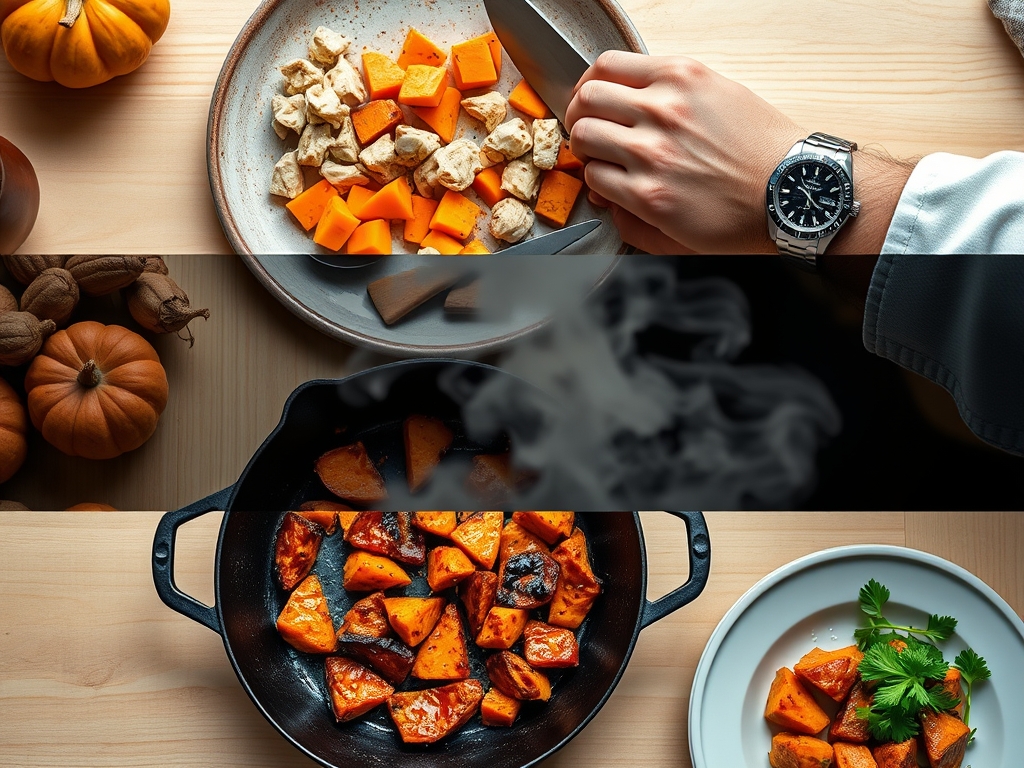
Start by dicing your pumpkin and sweet potatoes into uniform 1-inch cubes. Uniformity is not just for aesthetics; it ensures a consistent rate of heat transfer. Toss them in a high-smoke-point oil and spread them on a parchment-lined sheet pan, ensuring they do not touch.
Pro Tip: This spacing prevents "steaming." By allowing air to circulate, you encourage the Maillard reaction, where amino acids and reducing sugars create that savory, browned crust that adds a complex umami layer to your pumpkin sweet potato recipes.
2. The Aromatic Infusion
While the vegetables roast, heat your saucier over medium heat. Add your fat and aromatics. Use a silicone spatula to sweat the onions until they are translucent but not browned. This process, known as sweating, releases moisture and softens the harsh sulfur compounds into sweet, mellow notes.
Pro Tip: Add your dry spices to the fat for 30 seconds before adding liquid. This "blooms" the spices, releasing the essential oils and significantly increasing the aromatic potency of the final dish.
3. The Deglaze and Simmer
Once your roasted vegetables are fork-tender, add them to the saucier. Pour in your liquid (stock or coconut milk) and use a wooden spoon to scrape the bottom of the pan. This is deglazing, which incorporates the "fond" (the browned bits) back into the sauce for maximum flavor.
Pro Tip: Maintain a gentle simmer rather than a rolling boil. High heat can cause the proteins in dairy or plant milks to denature and "break," resulting in a grainy texture rather than a smooth emulsion.
4. The Emulsification
For soups or purees, use a high-speed immersion blender to aerate the mixture. If you want a perfectly silken finish, pass the mixture through a fine-mesh chinois. This removes any remaining fibrous strands from the pumpkin or ginger.
Pro Tip: This is the stage for thermal carryover. If you plan to reheat the dish later, stop cooking just before it reaches your desired thickness. The residual heat will continue to cook the starches, thickening the sauce as it cools.
The Deep Dive:
When we look at the macro nutrition of pumpkin sweet potato recipes, we are seeing a powerhouse of beta-carotene, fiber, and potassium. A single serving typically contains about 180 calories, with 40 grams of complex carbohydrates and 4 grams of fiber. To boost the protein profile, consider adding roasted chickpeas or a dollop of Greek yogurt.
Dietary Swaps:
- Vegan: Use full-fat coconut milk or cashew cream to maintain the creamy mouthfeel without the lactose.
- Keto: Heavily favor the pumpkin over the sweet potato and incorporate healthy fats like MCT oil or browned butter.
- Gluten-Free: These ingredients are naturally GF, but ensure your vegetable stock is certified to avoid hidden thickeners.
The Fix-It:
- Too Thin? Do not add flour. Instead, take a cup of the mixture, blend it with a handful of cashews or a steamed potato, and stir it back in.
- Too Sweet? Balance the sugar with a "bright" acid. A squeeze of lime or a teaspoon of white miso adds the necessary salt and tang.
- Grainy Texture? This usually means the starch molecules have clumped. Use a high-speed blender and add a teaspoon of lecithin or a knob of cold butter to stabilize the emulsion.
Meal Prep: To maintain "day-one" quality, store your blends in glass airtight containers. When reheating, add a splash of water or broth. Use low heat on the stovetop and whisk constantly to re-incorporate the fats that may have separated during refrigeration.
The Wrap-Up:
You now have the technical blueprint to turn simple gourds and tubers into culinary gold. By understanding the science of roasting, the importance of blooming spices, and the mechanics of a perfect emulsion, your pumpkin sweet potato recipes will stand in a league of their own. Kitchen confidence comes from knowing the "why" behind the "how." Now, grab your digital scale, fire up the oven, and let the aromatic transformation begin. Your kitchen is about to become the most popular spot in the house.
The Kitchen Table:
Can I use canned pumpkin for these recipes?
Yes, but ensure it is 100% pure pumpkin, not pie filling. Canned pumpkin is pre-steamed, so skip the initial roasting step. However, roasting fresh sweet potatoes is still recommended to provide the necessary structural depth and caramelized flavor.
Why is my pumpkin sweet potato soup bitter?
Bitterness usually stems from over-roasting the vegetables until they char or burning the garlic during the aromatic phase. To fix this, add a tiny pinch of sugar or a splash of heavy cream to neutralize the bitter compounds on your palate.
How do I get a brighter orange color?
To preserve the vibrant hue, avoid overcooking the vegetables, which can lead to oxidation. Adding a teaspoon of turmeric or a splash of lemon juice at the very end of the cooking process can also help "pop" the natural orange pigments.
Can I freeze these pumpkin and sweet potato blends?
Absolutely. These blends freeze beautifully for up to three months. For the best results, freeze them in individual portions. When you are ready to eat, thaw in the fridge overnight and whisk well during reheating to restore the creamy texture.