
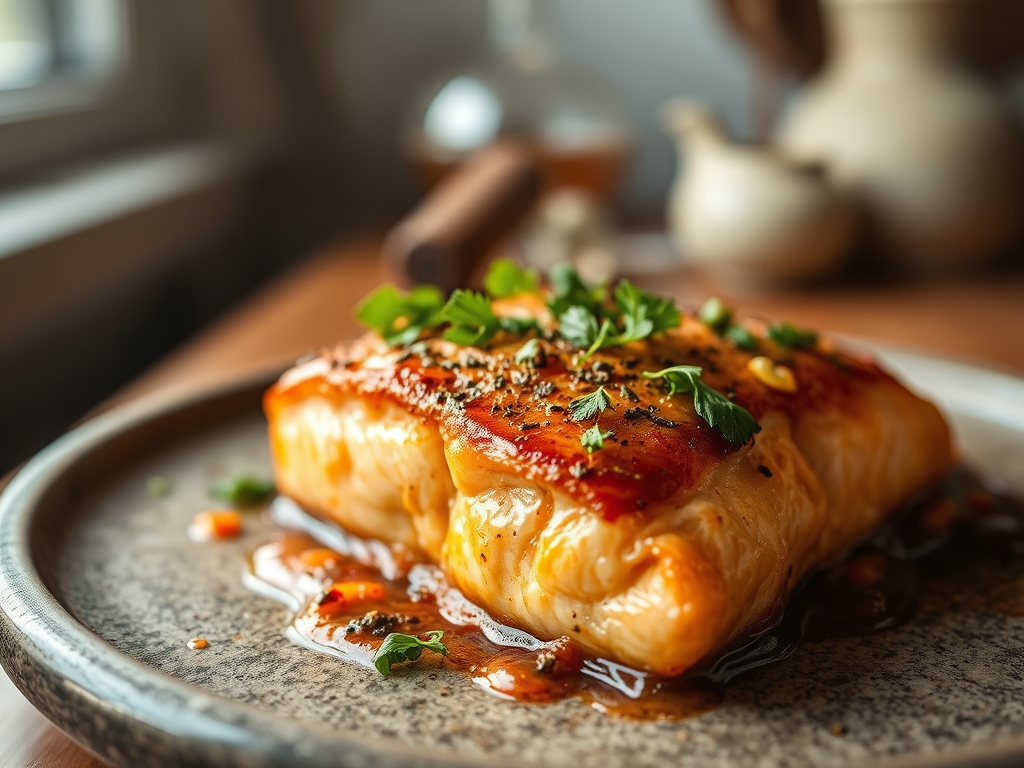
Imagine the sound of a sharp knife slicing through a chilled fillet of Atlantic salmon. The flesh is firm and fatty; it is the perfect canvas for a bold, piquant glaze that will transform your weeknight routine. When searching for spicy salmon recipes baked in under twenty minutes, you are looking for that elusive intersection of speed and gourmet execution. This dish delivers exactly that. It is a sensory explosion where the heat of gochujang or sriracha meets the buttery richness of omega-3 fatty acids. We are not just cooking dinner here; we are orchestrating a high-heat chemical transformation that ensures every bite is succulent, fiery, and deeply satisfying.
The beauty of this method lies in its efficiency. You do not need hours of marinating to achieve deep flavor penetration. Instead, we rely on a high-viscosity glaze that clings to the protein fibers, creating a caramelized crust while the interior remains tender. As the oven reaches its peak temperature, the sugars in the glaze begin to undergo the Maillard reaction, developing complex, savory notes that balance the initial sting of the chili. This is the ultimate solution for the busy professional who refuses to sacrifice quality for time. Grab your apron and your favorite heavy-bottomed baking sheet; we are about to elevate your culinary repertoire with a technique that feels like a cheat code for flavor.
The Gathers:
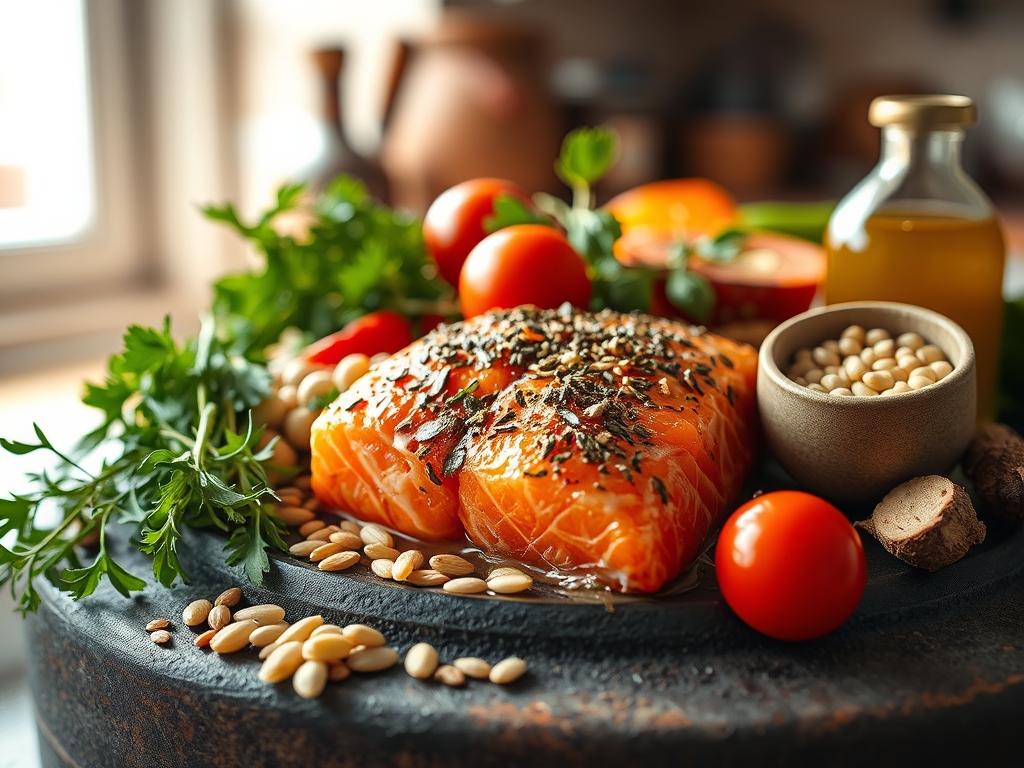
To achieve a restaurant-quality finish, your mise-en-place must be precise. Start with six six-ounce salmon fillets. Look for skin-on cuts to provide a thermal buffer against the baking sheet. For the glaze, you will need four tablespoons of honey to provide the necessary sugars for browning; three tablespoons of soy sauce for umami depth; and two tablespoons of a fermented chili paste like gochujang or a high-quality sriracha. Use a microplane to grate two teaspoons of fresh ginger and three cloves of garlic. The volatile oils in fresh aromatics are far superior to powdered versions. Finally, you will need one tablespoon of toasted sesame oil to provide a nutty aroma and a splash of rice vinegar to cut through the fat.
Smart Substitutions: If you are watching your sugar intake, swap the honey for an equal amount of monk fruit syrup or maple syrup for a different flavor profile. If soy is an issue, coconut aminos offer a similar salty-sweet profile with less sodium. For those who prefer a dry heat, a blend of cayenne pepper and smoked paprika can replace the chili paste, though you will lose the viscous texture that a paste provides. Always use a digital scale to weigh your fillets if you are concerned about even cooking times; consistency in mass leads to consistency in temperature.
The Clock
Efficiency in the kitchen is about the "Chef's Flow." This refers to the overlapping of tasks to minimize downtime. Your total active prep time is exactly five minutes. During this window, you will whisk the glaze and pat the fish dry. The cooking time is twelve to fifteen minutes, depending on the thickness of your fillets.
Prep Time: 5 Minutes
Cook Time: 15 Minutes
Resting Time: 3 Minutes
While the salmon is in the oven, use that time to prepare a quick side, such as steamed bok choy or jasmine rice. By the time the timer dings, your entire meal is ready to be plated. This "flow" ensures that no component of the dish sits long enough to lose its ideal serving temperature.
The Masterclass
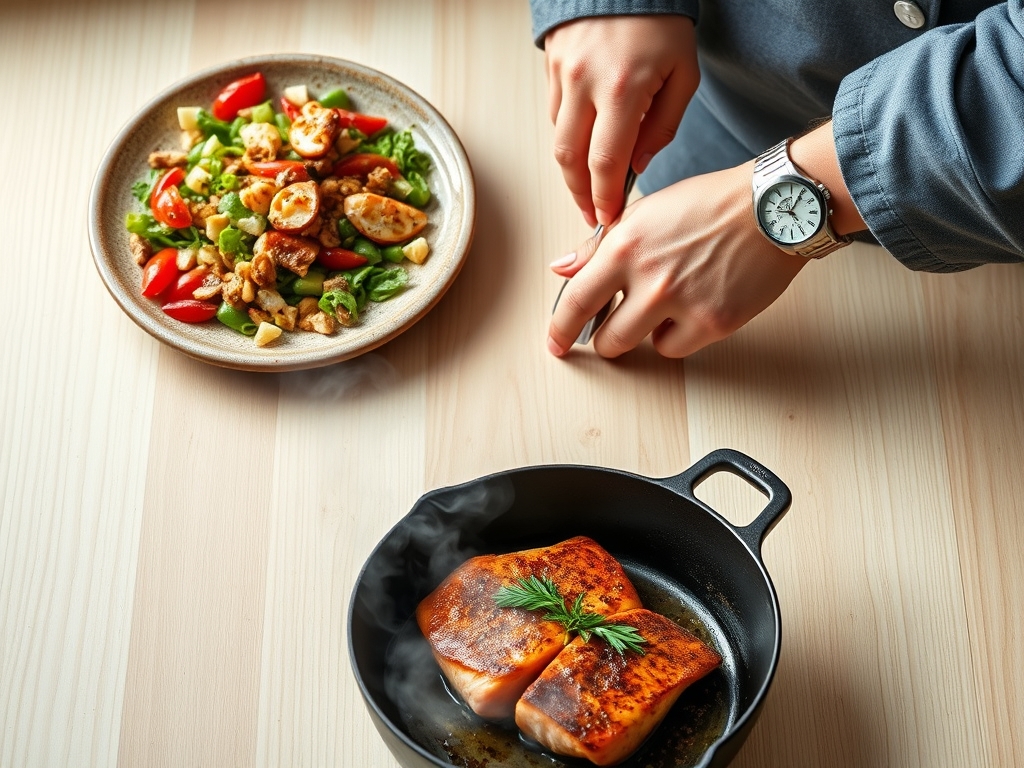
1. The Prep and Tempering
Preheat your oven to 400 degrees Fahrenheit. Remove your salmon from the refrigerator ten minutes before cooking to take the chill off. Use a paper towel to pat the surface of the fish until it is bone-dry.
Pro Tip: Drying the surface is essential for surface dehydration. If the fish is damp, the oven's energy will be wasted evaporating surface moisture rather than browning the glaze. This prevents the fish from steaming in its own juices.
2. The Emulsified Glaze
In a small saucier or glass bowl, whisk the honey, soy sauce, chili paste, ginger, and garlic. Continue whisking until the mixture is glossy and fully emulsified. The sesame oil should be fully integrated into the water-based soy sauce.
Pro Tip: Emulsification ensures that the fats and sugars are evenly distributed. This allows the glaze to coat the fish in a uniform layer, preventing "patchy" browning where some areas burn while others remain pale.
3. The Application
Place the fillets on a parchment-lined baking sheet. Using a silicone pastry brush, generously coat the top and sides of each fillet. Do not be afraid to use a heavy hand; the glaze will thicken as it heats.
Pro Tip: The parchment paper acts as a non-stick barrier and prevents the sugars in the glaze from scorching against the metal of the pan. This makes cleanup easier and protects the delicate flavor of the fish.
4. The High-Heat Roast
Slide the tray into the center rack of the oven. Bake for 12 to 14 minutes. You are looking for the edges of the glaze to bubble and darken slightly. The internal temperature should reach 135 degrees Fahrenheit for a perfect medium.
Pro Tip: This is the stage of thermal carryover. Once you remove the fish from the oven, its internal temperature will continue to rise by 5 to 10 degrees. Pulling it at 135 ensures it reaches the FDA-recommended 145 without becoming dry or chalky.
5. The Finishing Touch
Switch the oven to the broiler setting for the final 60 seconds. Watch the fish closely through the oven window. The sugars will caramelize rapidly, creating a charred, "burnt ends" effect on the corners of the salmon.
Pro Tip: This final blast of radiant heat triggers the Maillard reaction at an accelerated rate. It creates a complex crust that contrasts beautifully with the soft, flaky interior of the fish.
6. The Rest
Remove the tray from the oven and let the salmon rest for three minutes. Use a bench scraper or wide spatula to gently lift the fillets from the parchment. Garnish with sliced scallions and toasted sesame seeds.
Pro Tip: Resting allows the muscle fibers to relax and reabsorb the internal juices. If you cut into the fish immediately, the moisture will leak out, leaving the protein fibers tough.
The Deep Dive
From a nutritional standpoint, this dish is a powerhouse. A single serving provides roughly 34 grams of high-quality protein and is rich in Vitamin B12 and Potassium. Because we are baking rather than deep-frying, the healthy fats remain intact and unoxidized.
Dietary Swaps: For a Keto version, replace the honey with a keto-approved liquid sweetener and serve alongside roasted asparagus. For a Vegan alternative, this same glaze works wonders on thick slabs of extra-firm tofu or cauliflower steaks; just ensure you press the tofu first to remove excess water.
The Fix-It:
- White Albumin Leaking: If you see white "goo" on the fish, you have overcooked it. The muscle fibers have contracted so tightly they are squeezing out the protein. Reduce your cook time by two minutes next time.
- Soggy Skin: Ensure the oven is fully preheated. A cold start means the fat in the skin won't render properly.
- Burnt Glaze: If your glaze burns before the fish is cooked, your oven rack is too high. Move it to the center position.
Meal Prep Science: To reheat, avoid the microwave. The high-frequency waves vibrate water molecules too violently, toughening the fish. Instead, place the salmon in a 300-degree oven with a tablespoon of water and cover with foil to create a gentle steam environment that restores the original texture.
The Wrap-Up
Mastering spicy salmon recipes baked in a high-heat environment is a game-changer for any home cook. It proves that you do not need a culinary degree to manipulate heat and chemistry to your advantage. By focusing on surface moisture, emulsification, and thermal carryover, you have moved beyond "following a recipe" into the realm of technical proficiency. This dish is bold, bright, and incredibly fast; making it the perfect addition to your weekly rotation. Now, grab those tongs, plate your masterpiece, and enjoy the fiery results of your hard work!
The Kitchen Table
How do I know when the salmon is done without a thermometer?
Press the top of the fillet gently with a fork or your finger. If the flesh flakes easily along the natural white lines of fat and feels firm to the touch, it is ready. If it feels "squishy," it needs more time.
Can I use frozen salmon for this recipe?
Yes, but you must thaw it completely in the refrigerator first. Pat it exceptionally dry with paper towels to remove the excess moisture that occurs during the thawing process; otherwise, the glaze will slide off the fish.
Is the skin edible when baked this way?
Absolutely. While baking doesn't get the skin as crispy as pan-searing, the high heat and sugars in the glaze help it become flavorful. For maximum crispness, ensure the skin side is perfectly dry before placing it on the pan.
What is the best way to store leftovers?
Store the cooked salmon in an airtight glass container for up to three days. Glass is preferable to plastic as it does not retain the pungent odors of the fish or the spicy chili oils from the glaze.
Why is my glaze too runny?
This usually happens if the honey is too thin or if you added too much vinegar. You can thicken a runny glaze by simmering it in a small saucier over medium heat for two minutes before brushing it onto the fish.