
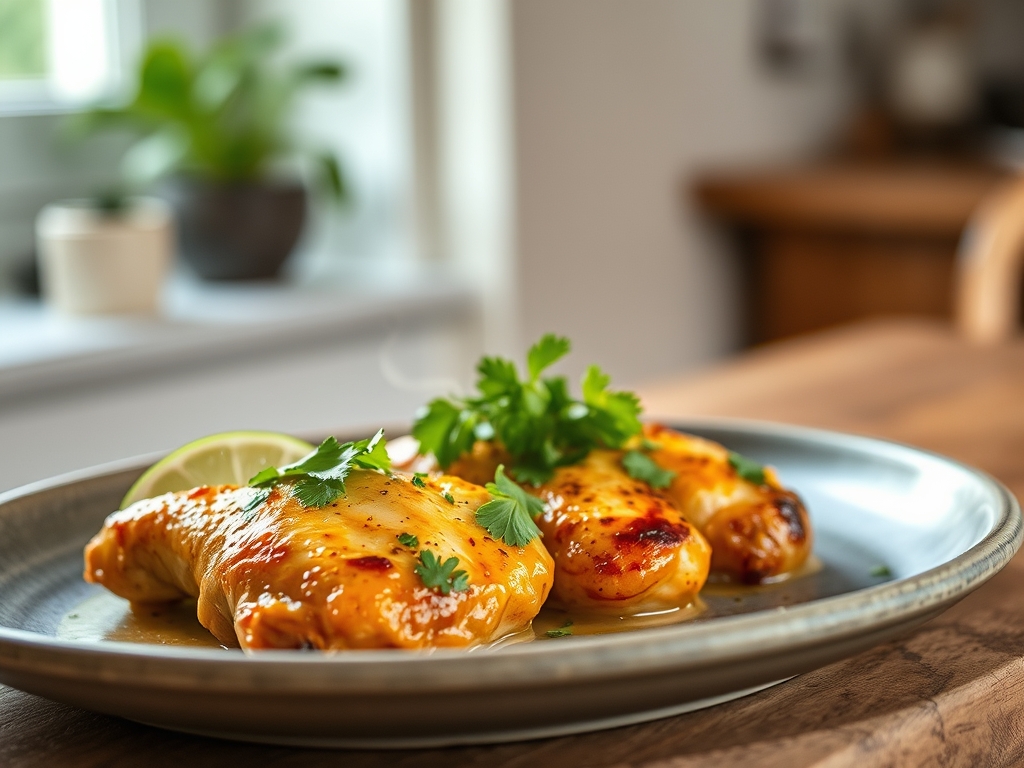
Picture the sound of a heavy-bottomed skillet meeting a high-heat flame; that rhythmic sizzle is the opening note to your new favorite dinner. We are diving deep into chicken recipes with lime and cilantro, a flavor profile that balances the bright, piquant acidity of citrus with the earthy, herbaceous notes of fresh greens. It is a culinary masterclass in equilibrium.
Most home cooks treat lime and cilantro as a mere garnish, but we are going to treat them as structural elements. We are talking about using acidity to denature proteins for tenderness and using volatile oils from cilantro stems to infuse deep flavor. Whether you are searing a thigh or poaching a breast, the chemistry of these ingredients transforms a standard bird into a restaurant-quality centerpiece.
This is not just about following a list of instructions; it is about understanding why a certain temperature creates a better crust or how a microplane unlocks more flavor than a knife ever could. Grab your apron and your favorite tongs. We are about to turn your kitchen into a laboratory of high-density flavor and perfect textures.
The Gathers:
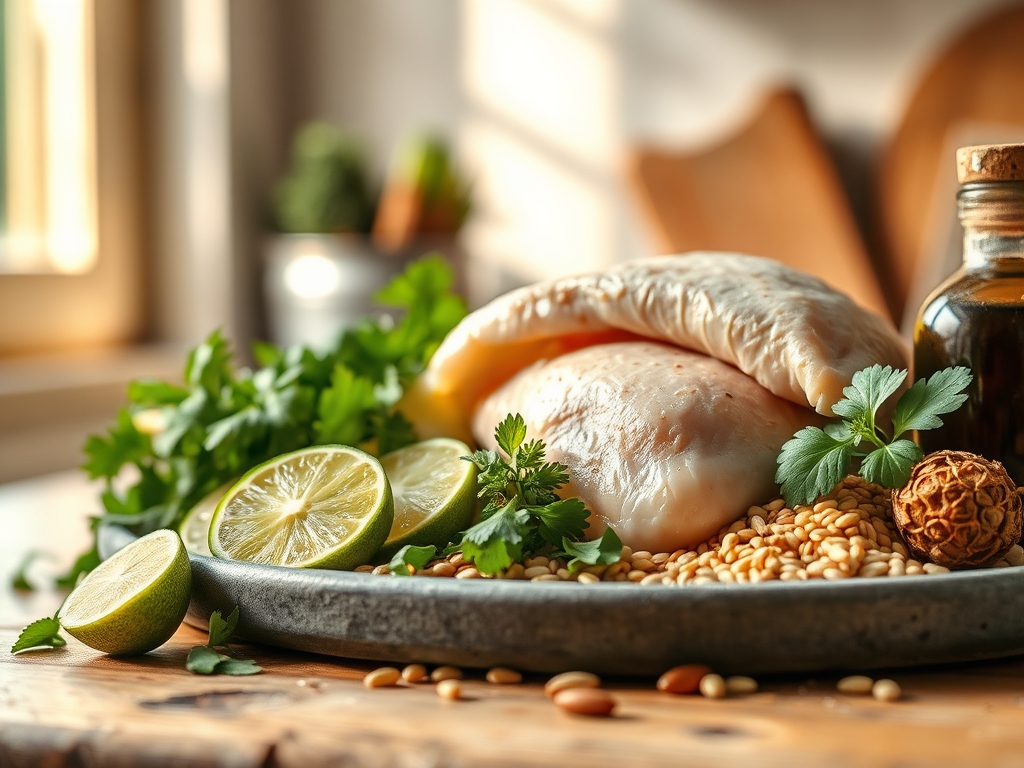
To execute these chicken recipes with lime and cilantro, your mise-en-place must be precise. Start with five pounds of organic chicken thighs; the higher fat content allows for better Maillard reaction and moisture retention. You will need a dozen limes, specifically looking for thin-skinned fruits which indicate a higher juice-to-pith ratio.
For the cilantro, do not discard the stems. The stems contain a higher concentration of coriander oil than the leaves, providing a more viscous and intense flavor base when blended. You will also need high-smoke-point fats like avocado oil or clarified butter, and a coarse kosher salt to assist in the mechanical breakdown of the herbs.
Smart Substitutions:
If cilantro tastes like soap to you due to the OR6A2 gene, swap it for a 50/50 blend of flat-leaf parsley and fresh mint to mimic that verdant profile. If limes are out of season, use calamansi or a blend of lemon juice and a drop of orange extract to replicate the specific citric acid curve. For a low-sodium version, use nutritional yeast to add umami without the salt load.
The Clock
Efficiency in the kitchen is all about "Chef's Flow." You should allocate 20 minutes for active preparation, which includes zesting, juicing, and chiffonade of the herbs. The chicken requires a minimum of 30 minutes to marinate; any less and the acid won't penetrate the muscle fibers; any more than four hours and the texture may become mushy as the acid "cooks" the meat.
The actual cook time varies between 12 and 18 minutes depending on the thickness of your protein. Always factor in a mandatory 5 to 10 minute rest period. This allows the internal juices to redistribute. If you cut into the meat too soon, the moisture will evacuate onto the cutting board, leaving you with a dry result despite your best efforts.
The Masterclass
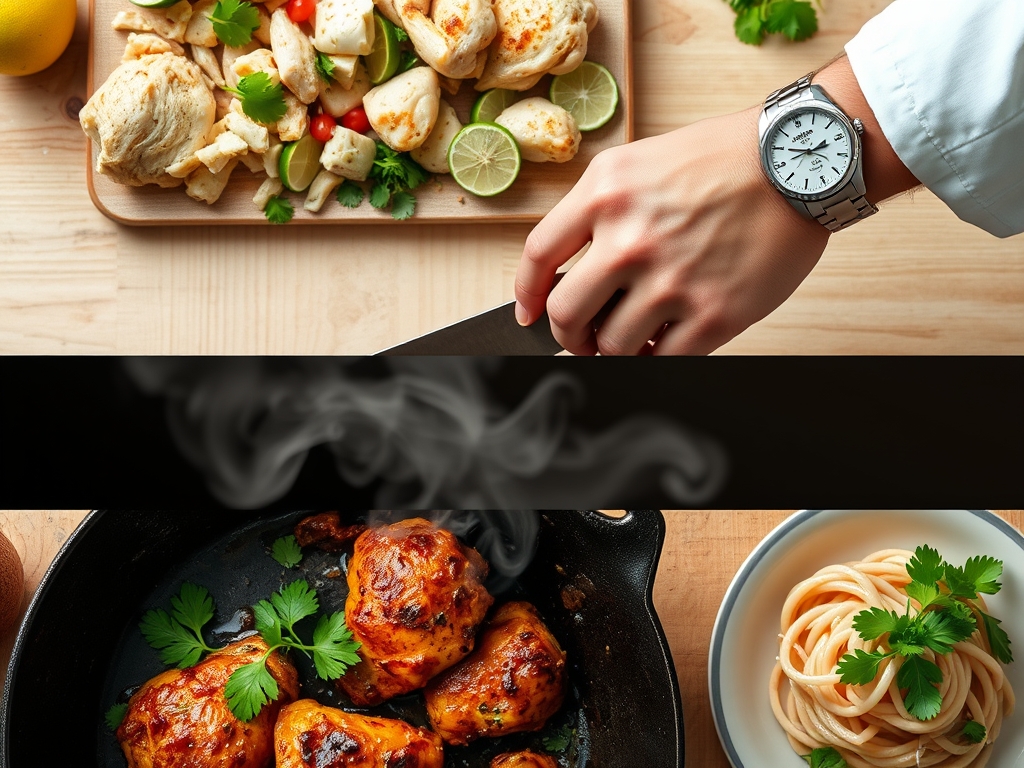
1. The Zest Extraction
Use a microplane to remove only the green flavedo of the lime, avoiding the bitter white pith. This layer contains the essential oils that provide the piquant aroma.
Pro Tip: This is known as volatile oil release. When you zest directly over the chicken, you capture the microscopic droplets of oil that usually evaporate into the air, ensuring maximum aromatic impact.
2. The Stem Slurry
Place your cilantro stems, lime juice, and garlic into a high-speed blender or saucier to create a bright green emulsion.
Pro Tip: This creates an enzymatic marinade. The natural enzymes in the garlic and the acid in the lime work together to break down tough connective tissues before the heat even touches the pan.
3. The Dry Brine Surface
Pat your chicken bone-dry with paper towels before applying salt. Moisture is the enemy of a good sear.
Pro Tip: This facilitates the Maillard Reaction. By removing surface water, the heat can immediately begin browning the proteins and sugars, creating a complex, savory crust that a wet piece of meat can never achieve.
4. The High-Heat Sear
Heat your heavy-bottomed skillet until the oil shimmers. Place the chicken skin-side down and do not move it for at least four minutes.
Pro Tip: This utilizes thermal conduction. Constant moving drops the surface temperature of the pan. Leaving it undisturbed allows the heat to render the subcutaneous fat, making the skin incredibly crispy.
5. The Deglaze
Once the chicken is flipped, pour a splash of chicken stock or white wine into the pan to scrape up the brown bits.
Pro Tip: This is fond recovery. Those stuck-on bits are concentrated flavor. By deglazing, you incorporate that deep, roasted essence back into your lime and cilantro sauce for a more layered profile.
6. The Aromatic Finish
In the final two minutes of cooking, toss in the fresh cilantro leaves and an extra squeeze of lime.
Pro Tip: This prevents thermal degradation. Cilantro leaves are delicate; high heat destroys their bright flavor. Adding them at the end preserves the fresh, grassy notes that define this dish.
7. The Carryover Rest
Remove the chicken from the pan when a digital thermometer reads 160 degrees Fahrenheit, then tent it loosely with foil.
Pro Tip: This accounts for thermal carryover. The internal temperature will continue to rise about 5 degrees while resting, bringing it to the food-safe 165 degrees without overcooking the exterior.
The Deep Dive
From a macro perspective, this dish is a powerhouse. A standard 6-ounce serving provides roughly 42 grams of protein and 12 grams of healthy fats, with negligible carbohydrates. It is a staple for those following Keto or Paleo lifestyles. For a vegan version, use the same lime and cilantro marinade on extra-firm tofu or oyster mushrooms; the porous nature of these plants absorbs the citrus even faster than poultry.
The Fix-It:
If your sauce is too thin, whisk in a cold butter knob (monter au beurre) to emulsify and thicken it. If the lime flavor is too sharp, a pinch of brown sugar or honey will balance the pH. If the chicken is sticking to the pan, it is not ready to flip; the meat will naturally release once the crust has formed.
For meal prep, store the chicken and sauce separately. When reheating, use a damp paper towel over the container in the microwave to create a steam chamber. This prevents the protein from becoming rubbery and keeps the cilantro from oxidizing into a dull brown color.
The Wrap-Up
Mastering chicken recipes with lime and cilantro is about more than just a quick dinner; it is about harnessing the power of acidity and aromatics to elevate simple ingredients. By focusing on techniques like deglazing and proper resting, you ensure every bite is a balance of crunch, zest, and juice. Your kitchen is now equipped with the scientific edge needed to turn a basic bird into a culinary triumph. Go forth and sear with confidence!
The Kitchen Table
Why does my cilantro lime chicken taste bitter?
Bitterness usually comes from zesting too deep into the white lime pith or burning the garlic. Use a microplane for light zesting and add garlic later in the searing process to protect its delicate sugars from carbonizing.
Can I use lime juice from a bottle?
Bottled juice often contains preservatives and lacks the volatile oils found in fresh fruit. For the best chicken recipes with lime and cilantro, always use fresh-squeezed juice to ensure a bright, piquant flavor profile.
How do I keep the chicken from getting dry?
Always use a digital thermometer to pull the chicken at 160 degrees. Allow it to rest for ten minutes to let the juices redistribute. Using bone-in, skin-on thighs also provides a natural moisture barrier during high-heat cooking.
Is cilantro better chopped or blended?
Blending the stems into the marinade provides a deeper, more uniform flavor. Save the leaves for a rough chop at the very end to provide a fresh, aromatic contrast to the savory, rendered fat of the cooked chicken.