
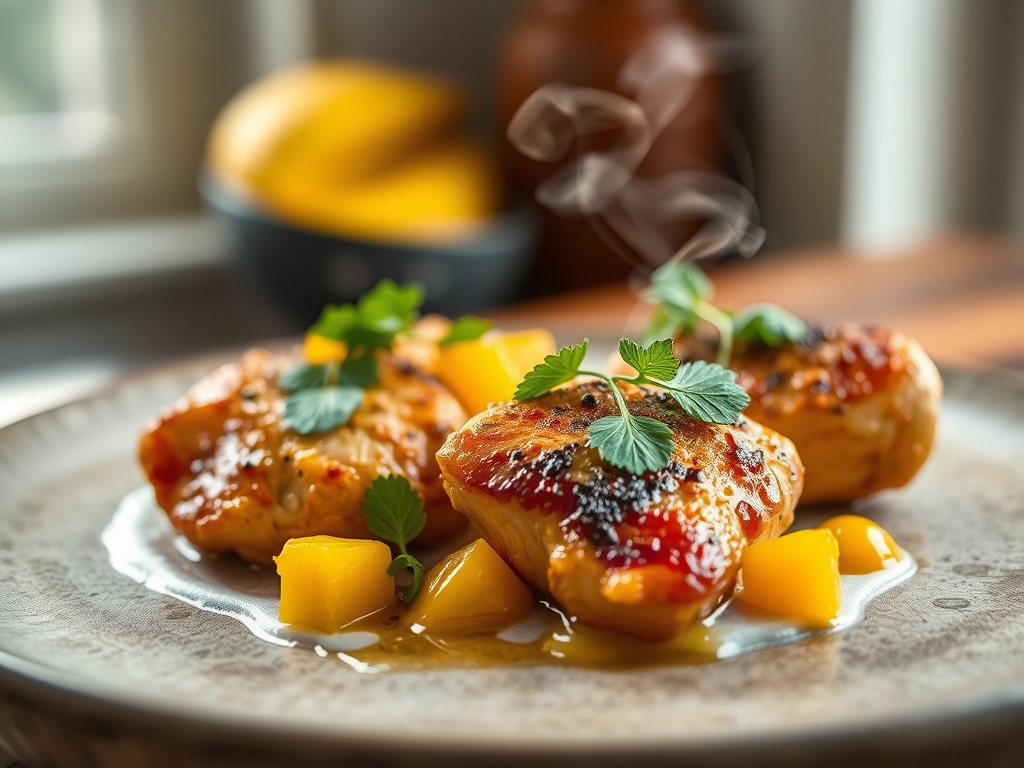
Picture a heavy-bottomed skillet sizzling on the stove as the scent of searing poultry meets the floral, tropical perfume of ripening fruit. This is not just a meal; it is a masterclass in flavor balancing. When you explore mango and chicken recipes, you are playing with the high-stakes chemistry of acids, sugars, and proteins.
The magic happens when the piquant acidity of a Tommy Atkins or Kent mango cuts through the rich, savory fats of a perfectly seared chicken thigh. It is a sensory collision that elevates a standard Tuesday night dinner into a gourmet experience. We are moving beyond the basic fruit salad. We are talking about deglazing pans with mango nectar, emulsifying spicy fruit coulis, and using the natural enzymes in tropical fruit to tenderize poultry fibers to the point of melting. Whether you prefer a charred grill mark or a silky pan sauce, these pairings are designed to wake up your palate. We are going to dive deep into the molecular reasons why this duo works, ensuring every bite is a balanced explosion of sweet, salt, and heat.
The Gathers:
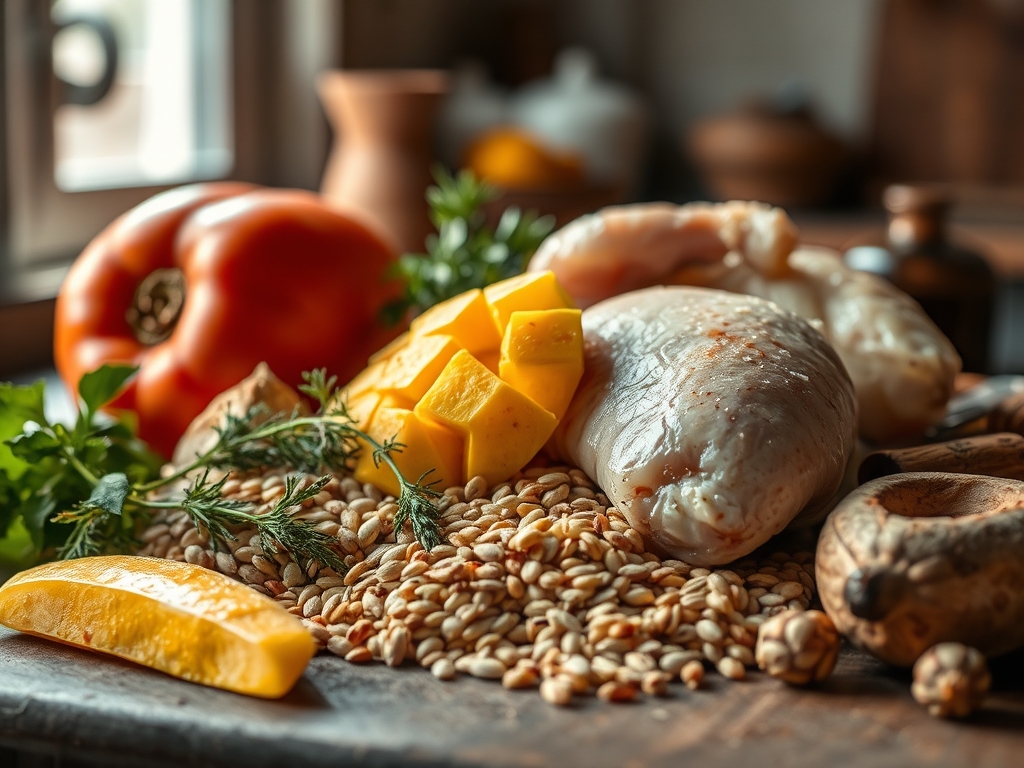
To execute these mango and chicken recipes with precision, your mise-en-place must be flawless. Start with your poultry. You want organic chicken breasts or thighs, patted bone-dry with paper towels to ensure a crisp sear. For the mangoes, look for fruit that yields slightly to pressure; the flesh should be viscous and vibrant orange, indicating a high Brix level (sugar content).
You will need a sharp chef knife to achieve uniform dice, ensuring even distribution in every forkful. Grab your microplane for zesting limes and grating fresh ginger; these aromatics provide the necessary bridge between the savory meat and the sugary fruit. Have a bottle of high-smoke-point oil, such as avocado or grapeseed, ready in your pantry.
Smart Substitutions:
If you cannot find fresh mangoes, high-quality frozen chunks work well for sauces, though they lack the structural integrity for salsas. Swap chicken for firm tofu or halloumi if you are catering to vegetarians. If you need a keto-friendly version, reduce the mango volume and increase the lime juice and vinegar to mimic the acidity without the glycemic load. Always keep a jar of honey or agave nearby to balance the pH if your fruit is under-ripe and overly tart.
The Clock:
Efficiency in the kitchen is about the "Chef's Flow." For most mango and chicken recipes, you are looking at a 15-minute prep window and a 20-minute cook time. The secret to speed is parallel processing. While your chicken is tempering on the counter, use your bench scraper to organize your chopped aromatics.
The "Flow" dictates that you prepare the cold elements, like a mango salsa, first. This allows the flavors to infuse and the salt to draw out just enough moisture to create a natural dressing. While the salsa rests, you focus on the thermal application. By the time your chicken has finished its rest period (crucial for moisture retention), your fruit components are at peak flavor. Total time from fridge to table is roughly 40 minutes, making this a high-efficiency power move for busy weeknights.
The Masterclass:
1. The Sear and the Maillard Reaction
Place your seasoned chicken in a preheated heavy-bottomed skillet. Do not crowd the pan; this drops the temperature and causes the meat to steam rather than sear. Use your tongs to flip only once a deep golden crust has formed.
Pro Tip: This crust is the result of the Maillard reaction, a chemical reaction between amino acids and reducing sugars that creates hundreds of different flavor compounds. Achieving this requires a surface temperature of at least 285 degrees Fahrenheit.
2. Deglazing for Depth
Once the chicken is cooked through, remove it to a plate. You will see brown bits stuck to the bottom of the pan. Pour in a splash of mango juice or white wine and use a wooden spoon to scrape them up.
Pro Tip: This process is called deglazing. Those bits, known as fond, are concentrated flavor bombs. Incorporating them into your mango sauce ensures a cohesive flavor profile that bridges the fruit and the meat.
3. Emulsifying the Mango Coulis
In a small saucier, combine mango puree, lime juice, and a knob of cold butter. Whisk vigorously over low heat until the sauce is glossy and coats the back of a spoon.
Pro Tip: This is emulsification. The fats in the butter bind with the water-based fruit juice to create a stable, silky texture. If the heat is too high, the emulsion will "break," resulting in a greasy mess.
4. The Enzymatic Tenderization
If you are marinating your chicken, add a few tablespoons of fresh mango puree to the bag. Let it sit for no more than 30 minutes before cooking.
Pro Tip: Mangoes contain amylase and proteases, enzymes that break down complex starches and proteins. Over-marinating will turn the chicken mushy, so keep an eye on the clock to maintain the perfect structural integrity.
5. Balancing with Heat and Acid
Fold in diced mango, fresh cilantro, and minced habanero or jalapeno at the very end of the cooking process.
Pro Tip: This is about palate fatigue prevention. The capsaicin in the peppers triggers a heat response that is immediately cooled by the sugars in the mango, keeping your taste buds engaged throughout the meal.
6. Thermal Carryover Management
Remove your chicken from the heat when the internal temperature hits 160 degrees Fahrenheit on a digital scale, then tent it with foil.
Pro Tip: Carryover cooking will bring the internal temperature up to the safe 165 degrees Fahrenheit mark while the meat rests. This prevents the fibers from tightening and squeezing out the juices.
7. Aerating the Final Garnish
Just before serving, toss your fresh mango salsa with a squeeze of lime and a pinch of flaky sea salt.
Pro Tip: Salt acts as a flavor enhancer by suppressing bitterness and highlighting the sweetness of the mango. Aerating the salsa by tossing it gently ensures the lime juice coats every surface, preventing oxidation.
8. Plating for Visual Contrast
Slice the chicken against the grain and fan it out on a plate. Spoon the vibrant mango mixture over the center, leaving the crispy edges of the chicken visible.
Pro Tip: We eat with our eyes first. The chromatic contrast between the golden-brown chicken and the electric orange mango signals freshness and complexity to the brain before the first bite is even taken.
The Deep Dive:
When we look at the macro nutrition of mango and chicken recipes, we see a powerhouse of lean protein and complex carbohydrates. A standard serving provides roughly 35 grams of protein and a significant dose of Vitamin C and Vitamin A from the fruit.
For dietary swaps, vegans can utilize "soy curls" or seitan, which mimic the fibrous texture of chicken and absorb mango glazes beautifully. If you are going Gluten-Free, ensure your soy sauce is replaced with tamari or coconut aminos. For Keto enthusiasts, keep the mango to a garnish level (about 1/4 cup) to manage the net carb count while still enjoying the aromatic benefits.
The Fix-It:
- Soggy Chicken: This happens if the pan is too cold or you added the fruit too early. Fix it by searing the chicken separately and adding the mango as a finishing touch.
- Too Sweet: If the sauce tastes like dessert, add a teaspoon of apple cider vinegar or a dash of fish sauce. The umami and acid will neutralize the excess sugar.
- Mashed Mango: If your fruit turns to mush, you likely used over-ripe mangoes. Fix this by blending the mushy fruit into a smooth vinaigrette instead of trying to serve it as a chunky salsa.
Meal Prep: To maintain "day-one" quality, store the chicken and mango components in separate airtight containers. Reheat the chicken gently in a pan with a splash of water, then add the cold mango salsa on top. This preserves the temperature contrast that makes this dish so exciting.
The Wrap-Up:
Mastering mango and chicken recipes is about more than just following a list of steps; it is about understanding the science of flavor. By balancing the enzymatic power of tropical fruit with the savory depth of seared protein, you create a meal that is both sophisticated and incredibly satisfying. Don't be afraid to experiment with different mango varieties or heat levels. Your kitchen is your laboratory, and these ingredients are your catalysts for a truly memorable dinner. Grab your skillet and get cooking!
The Kitchen Table:
Can I use canned mangoes for these recipes?
Canned mangoes are often packed in heavy syrup, which can make the dish cloyingly sweet. If you must use them, rinse the fruit thoroughly and add extra lime juice to balance the sugar levels for a better savory profile.
What is the best way to peel a mango?
The "glass method" is most efficient. Slice the two large "cheeks" off the pit, then press the edge of the cheek against the rim of a sturdy glass and slide it down to separate the flesh from the skin cleanly.
How do I prevent the chicken from getting tough?
Always use a digital meat thermometer to pull the chicken at 160 degrees Fahrenheit. Allow it to rest for five minutes under foil. This allows the muscle fibers to relax and reabsorb the juices, ensuring a succulent texture.
Is mango and chicken a traditional pairing?
Yes, this duo is a staple in Caribbean, Southeast Asian, and Latin American cuisines. These cultures have long utilized the natural acidity and sweetness of tropical fruits to complement grilled and stewed meats for a balanced flavor profile.