
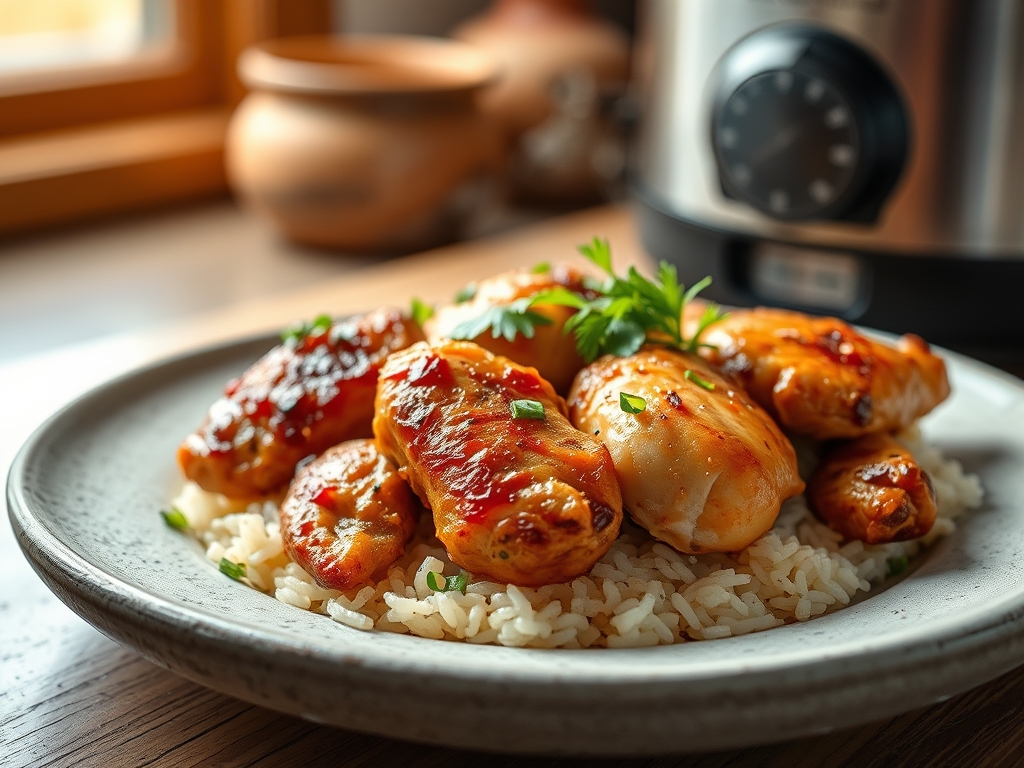
Picture the steam rising in a fragrant plume as you lift the lid; it is the scent of a kitchen that works for you. When life demands high efficiency without sacrificing gourmet depth, mastering chicken recipes for rice cooker technology is your ultimate power move. We are moving beyond basic grains into the realm of one-pot alchemy. This is about transforming humble thighs and jasmine rice into a cohesive, restaurant-quality masterpiece using nothing but a single heating element.
The magic lies in the sealed environment of the cooker, which creates a pressurized micro-climate. Here, the collagen in the chicken breaks down into gelatinous richness that coats every individual grain of rice. It is not just dinner; it is a lesson in moisture retention and thermal efficiency. Whether you are craving a piquant Thai ginger chicken or a viscous, savory mushroom risotto style bowl, these seven methods will redefine your weeknight routine. Forget the mountain of pots and pans. We are focusing on high-density nutrition and flavor profiles that develop while you are busy conquering the rest of your day.
The Gathers:
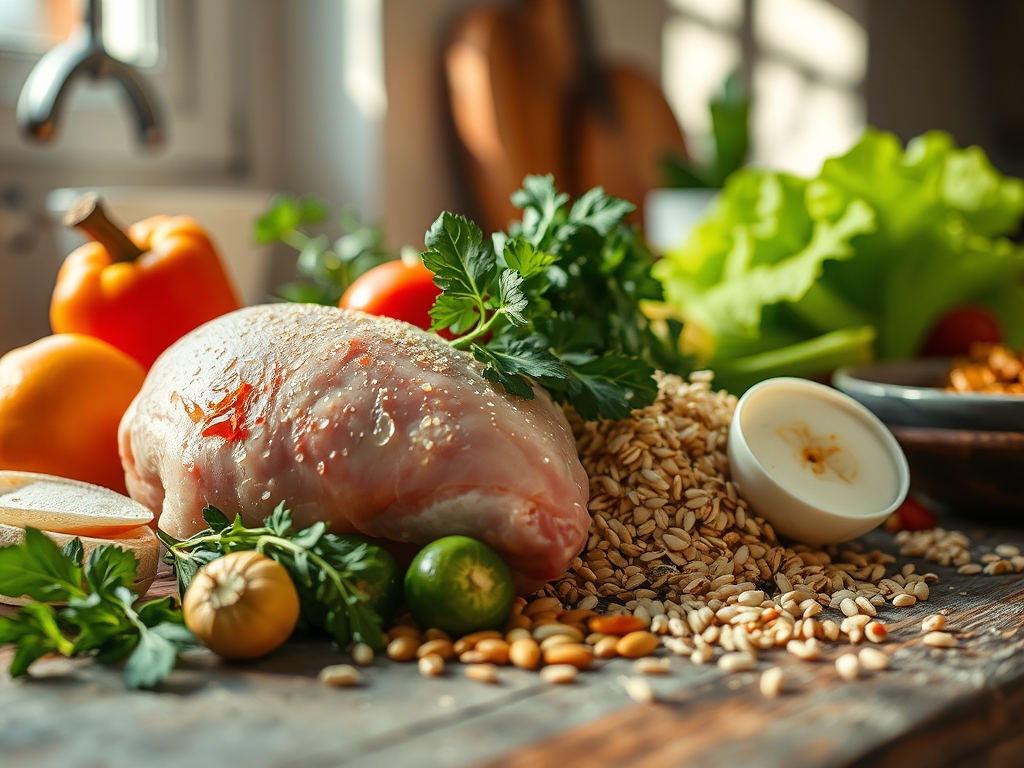
To execute these chicken recipes for rice cooker perfection, your mise-en-place must be precise. Start with high-quality proteins; boneless, skin-on thighs are the gold standard here because the fat will render directly into the rice, providing a luxurious mouthfeel. You will need a digital scale to ensure your water-to-grain ratio is exact to the gram. Precision prevents the dreaded "mushy bottom" syndrome.
Gather your aromatics: fresh ginger, garlic cloves, and scallions. Use a microplane to grate the ginger into a fine paste; this increases the surface area for maximum flavor infusion. For the liquid base, do not settle for plain water. Use a high-quality bone broth or a mixture of coconut milk and stock to create a viscous sauce that clings to the ingredients.
Smart Substitutions: If you are avoiding grains, cauliflower rice can be used, though you must reduce the liquid by sixty percent to account for the vegetable's high water content. For a leaner profile, chicken breast works if it is cubed and tossed in a light coating of cornstarch; this velveting technique protects the delicate proteins from the intense steam, ensuring the meat remains tender rather than stringy.
The Clock
Efficiency is the heartbeat of a functional kitchen. The "Chef's Flow" for these recipes follows a strict 15/30 rule. You will spend exactly fifteen minutes on active prep: dicing, measuring, and layering. The rice cooker then takes over for a thirty-minute cycle. However, the most critical part of the clock is the ten-minute "carryover" rest. Once the machine clicks to "Warm," do not open the lid. This allows the steam to redistribute, ensuring the top layer of rice is just as hydrated as the bottom. Total time from counter to table is forty-five minutes, with only fifteen minutes of manual labor.
The Masterclass
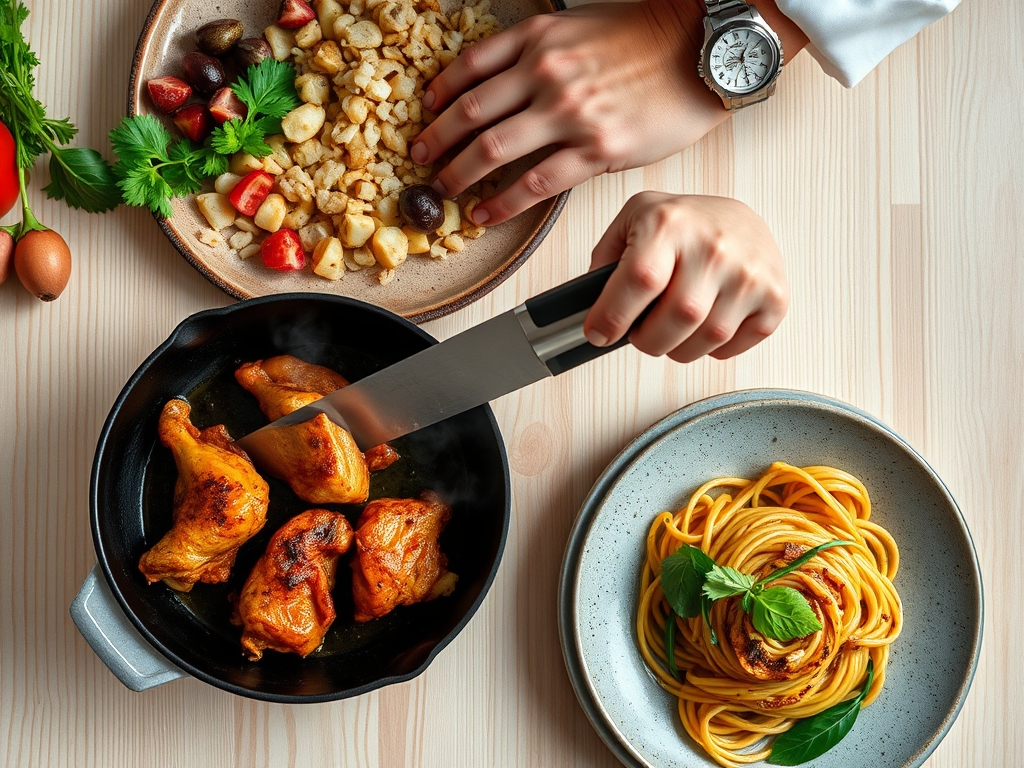
1. The Foundation Layer
Rinse your rice in a fine-mesh strainer until the water runs clear. This removes excess surface starch, preventing the grains from clumping into a singular mass. Place the rice in the pot and add your measured liquid.
Pro Tip: This is the hydration phase. By rinsing the rice, you control the starch-to-liquid ratio, ensuring each grain remains distinct. This is the difference between a pilaf texture and a porridge texture.
2. The Aromatic Infusion
Layer your aromatics directly on top of the rice. Do not stir them in yet. Place your sliced ginger, smashed garlic, and star anise on the surface.
Pro Tip: This creates a flavor chimney. As the water boils, the steam must pass through the aromatics before it hits the chicken, effectively "perfuming" the entire dish from the inside out.
3. Positioning the Protein
Place your seasoned chicken pieces on top of the aromatics, skin-side up if applicable. Use tongs to ensure they are in a single layer for even heat distribution.
Pro Tip: Placing the chicken on top utilizes convection steaming. The heat rises from the bottom, cooks the chicken gently, and allows the savory juices to drip down and season the rice below.
4. The Seal and Cycle
Close the lid and select the "Normal" or "White Rice" setting. If your cooker has a "Clay Pot" setting, use it for a crispier bottom layer.
Pro Tip: The rice cooker uses an internal thermistor to sense when all the free-standing water has been absorbed. Once the temperature rises above 212 degrees Fahrenheit, the machine knows the water is gone and triggers the "Warm" cycle.
5. The Rest and Fluff
When the timer beeps, let it sit undisturbed for ten minutes. Then, use a bench scraper or a rice paddle to gently fold the ingredients together, breaking up the chicken if desired.
Pro Tip: This is the thermal equilibrium stage. Resting allows the moisture to move from the center of the grain to the exterior, preventing a dry core and ensuring the chicken reaches a safe internal temperature through carryover heat.
6. The Bright Finish
Just before serving, add a splash of acidity; lime juice or rice vinegar works beautifully. Fold in fresh herbs like cilantro or Thai basil.
Pro Tip: Acidity acts as a flavor bridge. It cuts through the heavy fats rendered from the chicken, brightening the overall profile and stimulating the palate.
7. The Texture Garnish
Top with crispy fried shallots or toasted sesame seeds for a textural contrast.
Pro Tip: Adding dry, crunchy elements at the very end provides sensory contrast, which makes the soft, steamed components feel more intentional and sophisticated.
The Deep Dive
Macro Nutrition: On average, a single serving of these chicken recipes for rice cooker provides 35 grams of protein, 45 grams of complex carbohydrates, and 12 grams of healthy fats. It is a balanced, "complete meal" profile that supports muscle recovery and sustained energy.
Dietary Swaps: For a Keto version, replace rice with shirataki pearls and use fatty chicken thighs to keep the fat-to-protein ratio high. For a Vegan twist, swap chicken for extra-firm smoked tofu or chickpeas; use a vegetable bouillon enriched with nutritional yeast to mimic the umami of poultry.
The Fix-It:
- Burnt Bottom: You likely used too much sugar in your marinade. Sugar settles and carmelizes too quickly. Fix: Add a splash of hot broth and scrape the bottom with a wooden spoon to deglaze the crust into a savory "socarrat."
- Under-cooked Chicken: The pieces were likely too large. Fix: Slice the chicken into smaller medallions and use the "Quick Cook" cycle for an extra ten minutes.
- Mushy Rice: Too much liquid. Fix: Spread the rice on a sheet tray and place it in a 350 degree oven for five minutes to evaporate the excess moisture.
Meal Prep: To maintain "day-one" quality, store leftovers in airtight glass containers. When reheating, add one tablespoon of water per cup of rice and microwave with a damp paper towel over the top. This recreates the steam chamber effect, preventing the rice from becoming hard and "retrograded."
The Wrap-Up
Mastering chicken recipes for rice cooker use is about more than just convenience; it is about understanding the harmony of steam, starch, and protein. By utilizing these professional techniques, you turn a simple appliance into a high-performance culinary tool. You have the science, the steps, and the "pro tips" to ensure every meal is a success. Now, go forth and let your rice cooker do the heavy lifting while you enjoy the results.
The Kitchen Table
Can I use frozen chicken in the rice cooker?
It is not recommended for safety. Frozen meat lowers the internal temperature too much, potentially keeping the food in the "danger zone" for bacterial growth. Always thaw your chicken completely before placing it in the cooker to ensure even, safe cooking.
Why is my rice always sticking to the bottom?
This usually happens if you do not rinse the starch off the rice or if your cooker's non-stick coating is worn. Try adding a teaspoon of neutral oil or butter to the water to help lubricate the grains during the cycle.
Can I add vegetables like broccoli at the start?
Harder vegetables like carrots work well at the start. However, delicate greens like broccoli or spinach will turn gray and mushy. Add these during the last five minutes of the cooking cycle or during the ten-minute rest period to steam gently.
Is it safe to leave the food on "Warm" for hours?
While most cookers keep food at a safe temperature, the quality degrades quickly. The rice will continue to lose moisture and may become crusty or yellowed. For the best texture, consume the meal within one hour of the cycle finishing.