
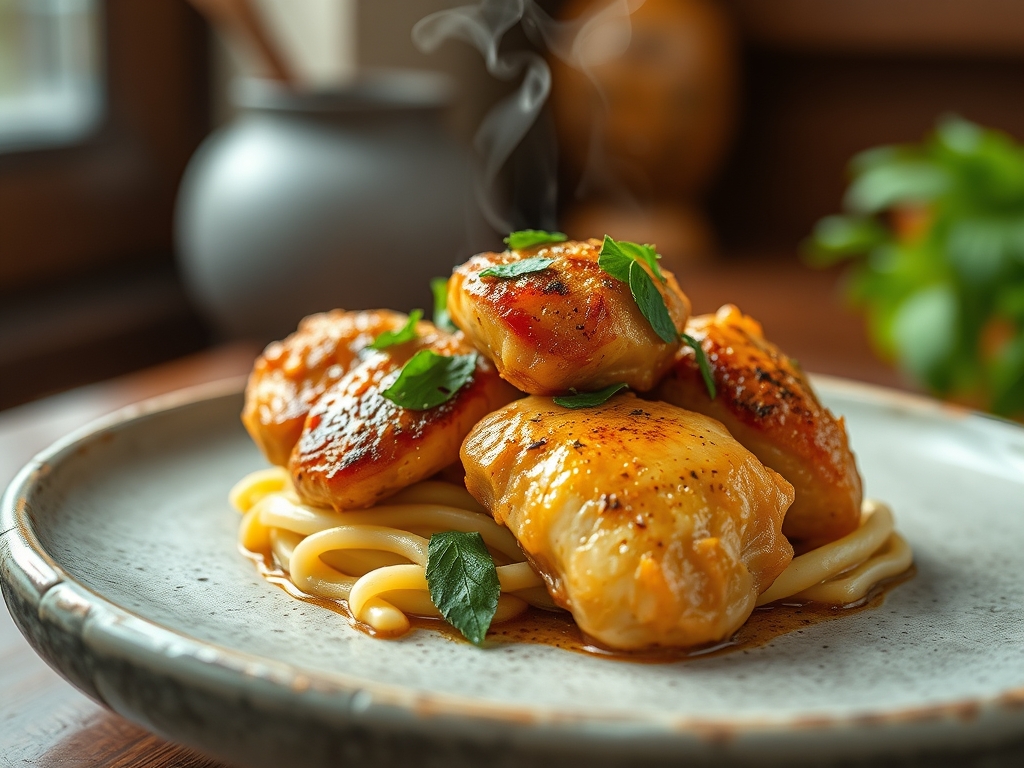
Imagine the sound of a perfect crunch echoing through a sun-drenched kitchen. That shattered-glass texture is the hallmark of the best mochiko chicken recipes, a Hawaiian staple that marries Japanese technique with island soul. We are talking about thighs so succulent they practically melt, encased in a crust that stays crisp even after a long soak in savory gravy.
Getting that legendary texture requires more than just luck; it requires an understanding of starch behavior and protein denaturation. Most home cooks struggle with soggy coatings or bland interiors, but we are going to fix that today. By manipulating the amylopectin in sweet rice flour, we can create a structural lattice that locks in moisture while resisting oil absorption. Grab your apron and your favorite heavy-bottomed skillet. We are about to transform your kitchen into a high-end plate lunch spot with the ultimate guide to crispy perfection.
The Gathers:
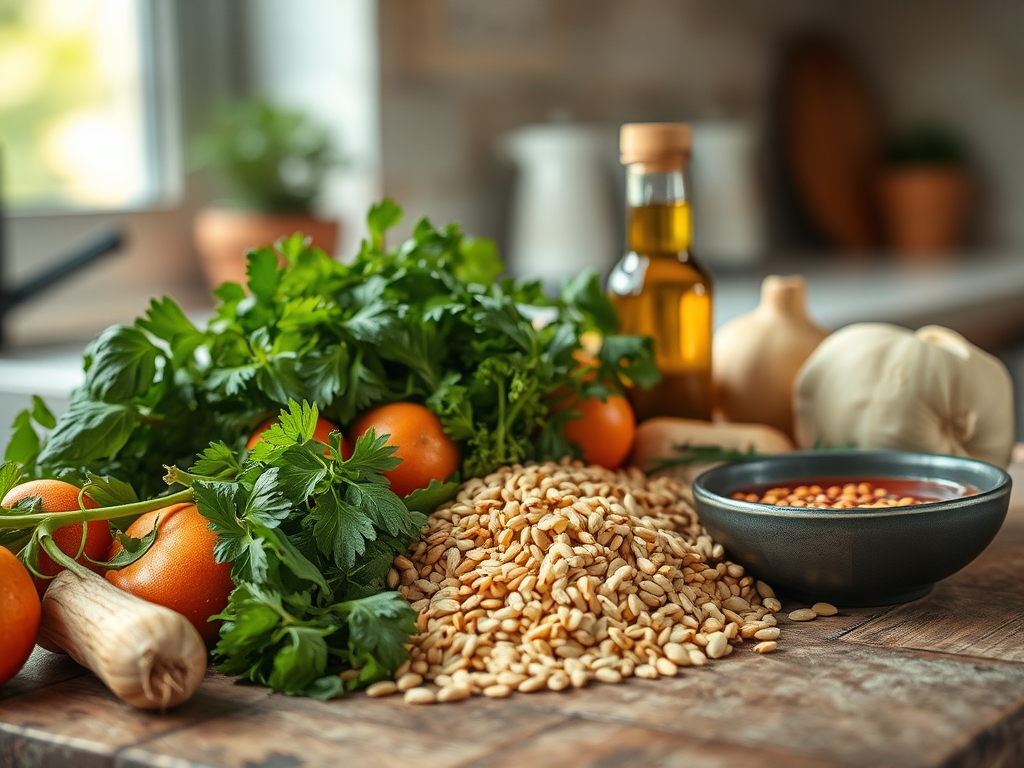
To achieve the "shatter-effect" crust, your mise-en-place must be precise. Start with two pounds of boneless, skinless chicken thighs. Thighs are superior to breasts because they contain more intramuscular fat and connective tissue, which renders beautifully during the high-heat fry. You will need a digital scale to measure 1/2 cup of Mochiko (sweet rice flour) and 1/2 cup of cornstarch. This 1:1 ratio is the secret to a coating that is both chewy and brittle.
For the marinade, gather 1/4 cup of tamari or high-quality soy sauce, 1/4 cup of granulated sugar, two large eggs to act as a viscous binder, and a generous amount of minced garlic and ginger. Use a microplane to grate the ginger into a fine paste; this ensures the flavor is evenly distributed without leaving woody chunks in the batter. A splash of mirin adds a piquant sweetness and helps the Maillard reaction along.
Smart Substitutions: If you are avoiding gluten, ensure your soy sauce is certified GF tamari. For a lower glycemic index, swap the sugar for monk fruit sweetener. If you find yourself without cornstarch, potato starch (katakuriko) is an excellent alternative that provides an even lighter, more "shattery" finish.
The Clock
Efficiency in the kitchen is all about the Chef's Flow. This is the art of overlapping tasks so that no time is wasted. Your active prep time will take approximately 20 minutes, which includes trimming the chicken and whisking the batter. However, the chicken requires a minimum of four hours to marinate; though overnight is preferred; to allow the salt to penetrate the protein fibers through osmosis.
The actual frying process moves quickly. Plan for 5 to 7 minutes per batch in the oil. Once you factor in the resting period, which is non-negotiable for moisture retention, you are looking at a total kitchen presence of about 45 minutes on the day of service. Use the marinating time to prep your sides, such as a crisp macaroni salad or a bed of fluffy white rice.
The Masterclass
1. The Precision Cut
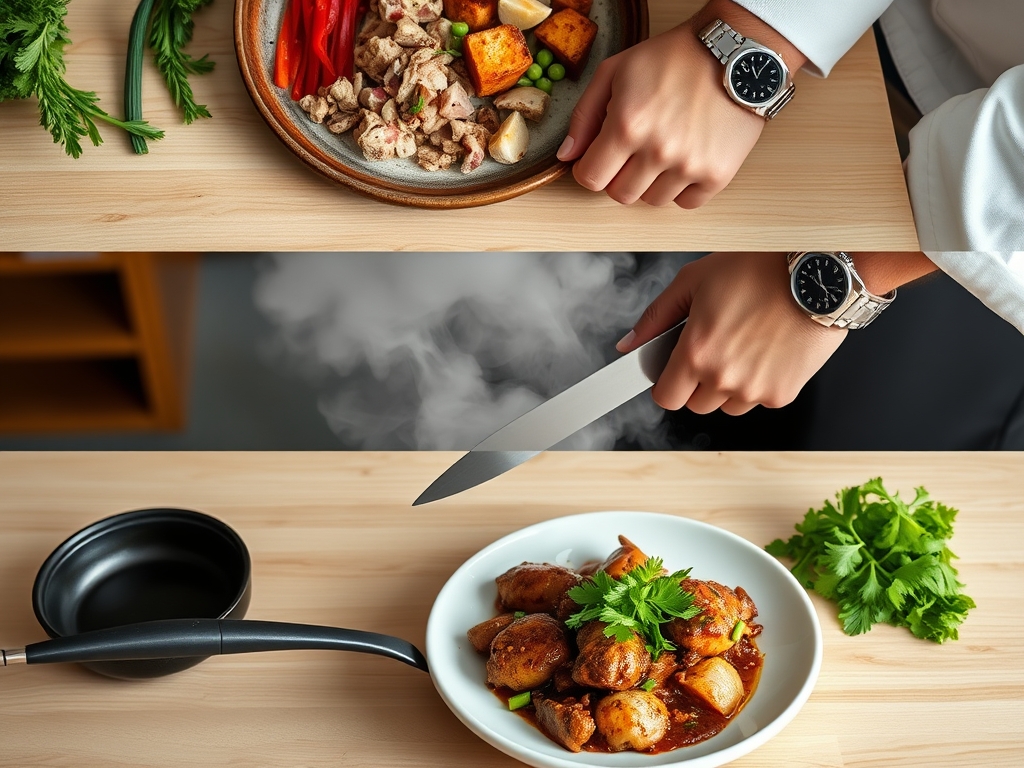
Using a sharp chef's knife or kitchen shears, cut your chicken into uniform 1.5-inch pieces. Consistency is key here; if the pieces vary in size, the smaller ones will overcook and become dry before the larger ones reach a safe internal temperature.
Pro Tip: Cutting the chicken while it is slightly semi-frozen makes it easier to achieve clean, geometric edges. This increases the surface area for the batter to cling to, maximizing the crunch-to-meat ratio.
2. The Emulsified Marinade
In a large glass bowl, whisk the eggs, soy sauce, sugar, and aromatics until the sugar is fully dissolved. Slowly whisk in the Mochiko and cornstarch until a thick, viscous batter forms. It should look like heavy pancake batter.
Pro Tip: Whisking the eggs thoroughly aerates the mixture. These tiny air bubbles expand when they hit the hot oil, creating a light, leavened crust rather than a dense, leaden shell.
3. The Cold Soak
Submerge the chicken pieces in the batter, ensuring every nook and cranny is coated. Cover the bowl tightly with plastic wrap and refrigerate. This is where the flavor infuses deep into the muscle tissue.
Pro Tip: The salt in the soy sauce acts as a dry brine, denaturing the protein strands so they can hold more water. This ensures the chicken remains juicy even after being subjected to the intense heat of deep-frying.
4. The Temperature Spike
Fill your heavy-bottomed skillet or Dutch oven with two inches of high-smoke-point oil, such as peanut or grapeseed oil. Heat the oil to exactly 350 degrees Fahrenheit. Use a digital probe thermometer to monitor this; guessing is the enemy of crispiness.
Pro Tip: Maintaining a consistent temperature prevents the chicken from absorbing excess oil. If the temperature drops too low, the batter will soak up the fat like a sponge, resulting in a greasy finish.
5. The Batch Fry
Carefully lower the chicken pieces into the oil using tongs, being careful not to crowd the pan. Crowding drops the oil temperature too rapidly and causes the pieces to stick together. Fry for 3 minutes per side until they reach a deep golden brown.
Pro Tip: This is where enzymatic browning and the Maillard reaction occur. The sugars in the marinade caramelize, creating hundreds of new flavor compounds that give the chicken its characteristic savory-sweet profile.
6. The Essential Rest
Remove the chicken and place it on a wire cooling rack set over a baking sheet. Do not drain on paper towels, as this traps steam and softens the bottom of the crust. Let it rest for at least 5 minutes.
Pro Tip: Thermal carryover will continue to cook the interior of the chicken by about 5 degrees after it leaves the oil. Resting also allows the juices to redistribute, ensuring they don't run out the moment you take a bite.
The Deep Dive
From a nutritional perspective, mochiko chicken is a protein powerhouse, though it is high in carbohydrates due to the rice flour coating. A standard serving contains approximately 450 calories, 30g of protein, and 25g of fat. To make this Keto-friendly, you would need to replace the rice flour with almond flour and xanthan gum, though the texture will be significantly softer. For a Vegan version, firm tofu or oyster mushrooms can be substituted for chicken; just ensure you press the tofu well to remove excess moisture before marinating.
The Fix-It: Common Pitfalls
- Soggy Crust: This usually means your oil was too cold or you crowded the pan. Fix it by flash-frying the chicken a second time at 375 degrees for 60 seconds.
- Burnt Exterior/Raw Interior: Your oil was too hot. Use a thermometer to stay at 350 degrees. If the chicken is already dark but undercooked, finish it in a 350-degree oven for 5 minutes.
- Batter Falling Off: This happens if the chicken was too wet before hitting the batter. Pat the meat dry with paper towels before adding it to the marinade.
Meal Prep and Reheating: Mochiko chicken is a meal-prep dream. To maintain "day-one" quality, never use a microwave. Instead, use an air fryer at 375 degrees for 4 minutes or a toaster oven. This dry heat re-activates the fats in the crust, crisping it back up without drying out the center.
The Wrap-Up
Mastering mochiko chicken recipes is a rite of passage for any home cook who loves the intersection of crunch and comfort. By focusing on the science of the batter and the precision of the fry, you elevate a simple dish into a culinary masterpiece. Remember to trust your thermometer, respect the rest time, and always fry in small batches. Now, go forth and conquer the crunch; your friends and family are going to be begging for this recipe!
The Kitchen Table
Can I use chicken breast instead of thighs?
Yes, but be cautious. Breasts dry out faster than thighs. Slice them thinner and reduce the frying time by one minute per side to ensure they stay moist. Use a meat thermometer to pull them at an internal temperature of 160 degrees.
What is the best oil for frying mochiko chicken?
Use neutral oils with a high smoke point, such as peanut, canola, or grapeseed oil. Avoid extra virgin olive oil or butter, as they will burn and smoke at the 350-degree temperature required for a perfect, clean-tasting crust.
How do I make the coating extra crispy?
The secret is the double-fry method. Fry the chicken once at 350 degrees until cooked through, let it rest for ten minutes, then fry it again at 375 degrees for sixty seconds. This removes any remaining moisture from the outer crust.
Why is my batter not sticking to the chicken?
Ensure the chicken pieces are patted dry before entering the marinade. Additionally, don't skip the eggs; they act as the primary protein binder that glues the starch to the meat. If the batter is too thin, add a tablespoon more Mochiko.