
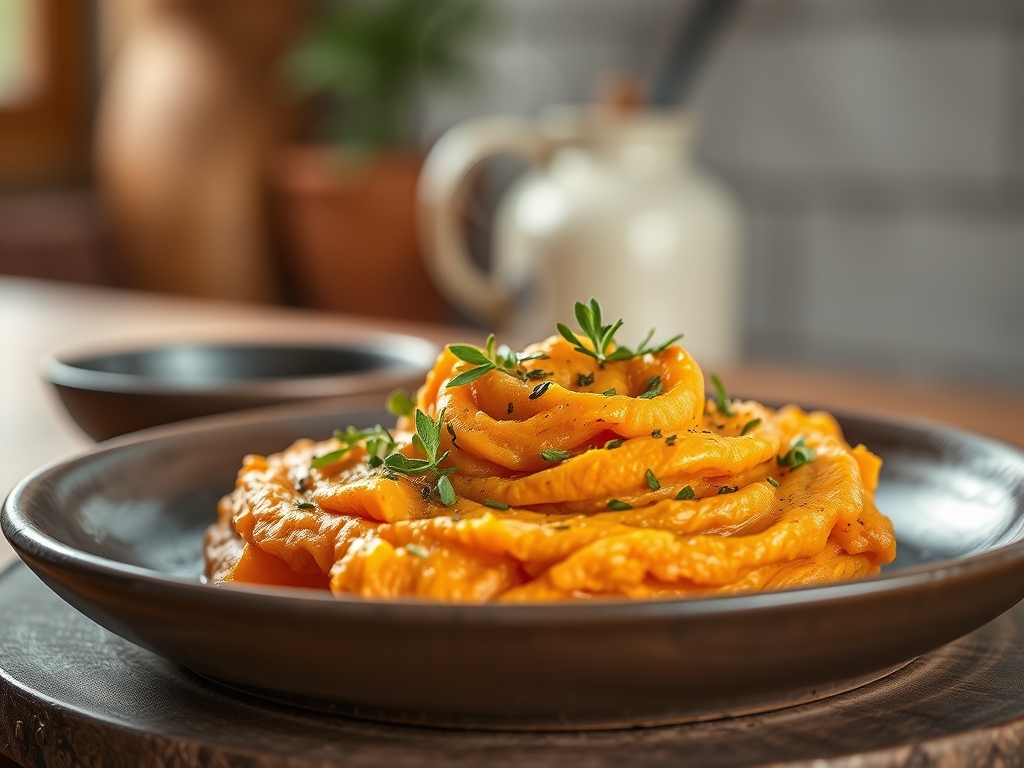
Imagine a bowl of sunset-hued velvet sitting on your kitchen counter; it is steaming, fragrant with nutmeg, and impossibly smooth. When you are hunting for mashed sweet potato recipes easy enough for a Tuesday but decadent enough for a holiday, you are really searching for that perfect balance of natural sugars and luxurious fats. It is the ultimate comfort food that doubles as a nutritional powerhouse.
We have all been there: staring at a lumpy, watery pile of orange starch and wondering where it all went wrong. The secret is not in a complicated ingredient list; it is in the molecular manipulation of the tubers themselves. By understanding how starch granules swell and how fats emulsify, we can transform a humble root vegetable into a side dish that steals the spotlight from the main course. Grab your favorite apron and a glass of wine; we are about to turn your kitchen into a high-end bistro with these seven effortless secrets.
The Gathers:
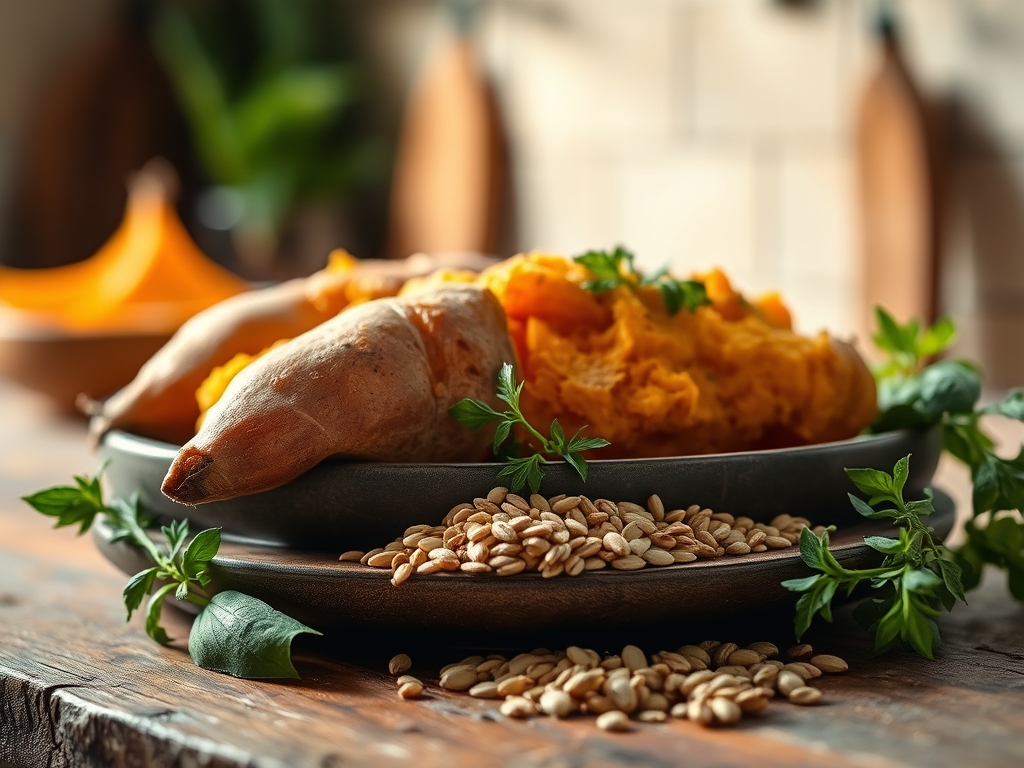
To achieve a viscous and silky texture, your mise-en-place must be precise. Start with four large Beauregard or Jewel sweet potatoes; these varieties have a high sugar content and a moist flesh that breaks down beautifully. You will also need four tablespoons of high-quality unsalted butter, half a cup of heavy cream or full-fat coconut milk, and a teaspoon of kosher salt to balance the sweetness.
For the aromatic profile, gather fresh thyme, a microplane for grating fresh nutmeg, and perhaps a drizzle of maple syrup if you want to lean into the autumnal vibes. If you are looking for smart substitutions, swap the heavy cream for Greek yogurt to add a piquant tang and a boost of protein. For a vegan profile, refined coconut oil provides the necessary saturated fat to mimic the mouthfeel of dairy without an overpowering coconut flavor. Always use a digital scale to weigh your potatoes; consistency in mass ensures consistency in seasoning.
The Clock: 15 Minutes Prep, 25 Minutes Cook
The "Chef's Flow" is all about overlapping tasks to minimize downtime. While your water comes to a rolling boil in a saucier or large pot, you should be peeling and dicing. The goal is to have the potatoes hitting the water just as the bubbles reach peak turbulence.
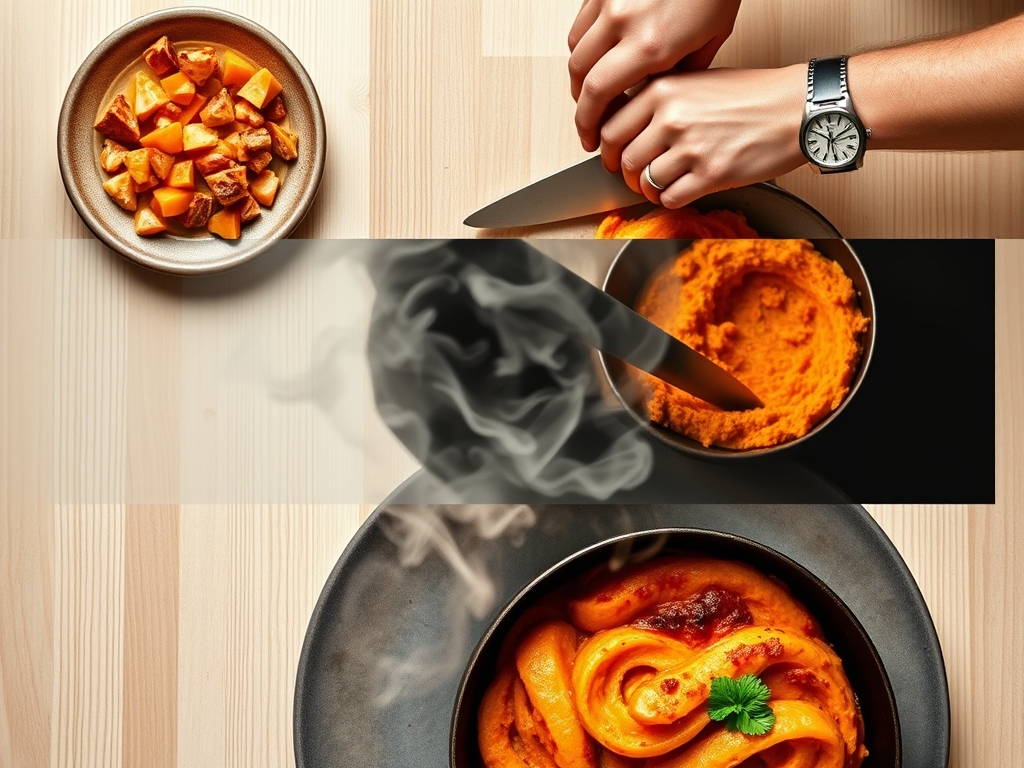
Prep takes about 15 minutes if you use a sharp Y-peeler and a heavy chef's knife. The actual simmering requires 20 to 25 minutes depending on the size of your cubes. While the potatoes cook, use that time to render any garnishes, like crispy sage or pancetta, in a heavy-bottomed skillet. This synchronization ensures that the potatoes are mashed and served while their internal temperature is still high enough to melt the butter instantly.
The Masterclass:
1. The Uniform Cube
Cut your potatoes into identical one-inch cubes. This is not just for aesthetics; it ensures that every piece reaches the same level of starch gelatinization at the exact same time.
Pro Tip: This prevents "hard hearts," where the outside of the potato is overcooked and watery while the center remains starchy. Scientific consistency leads to a smoother emulsification later.
2. The Cold Start
Always start your potatoes in cold, salted water rather than dropping them into boiling water.
Pro Tip: Starting cold allows the heat to penetrate the center of the potato gradually. This prevents the outside from disintegrating before the inside is soft, a phenomenon known as thermal gradient management.
3. The Steam Dry
Once the potatoes are fork-tender, drain them and return them to the hot pot for sixty seconds over low heat. Shake the pot gently.
Pro Tip: This step evokes evaporative cooling to remove excess surface moisture. Removing water is crucial; it creates "room" within the cellular structure for the fats (butter and cream) to be absorbed.
4. The Fat First Method
Add your butter to the hot, dry potatoes before adding any liquid. Use a potato ricer or a masher to incorporate.
Pro Tip: Coating the starch molecules in fat first prevents them from bonding with the water in the cream. This inhibits the development of a "gluey" texture, keeping the mash light and fluffy.
5. The Warm Liquid Infusion
Never add cold cream to hot potatoes. Warm your cream and aromatics in a small saucier before folding them in.
Pro Tip: Cold liquids shock the starches and cause the fats to seize. Warming the liquid maintains the viscosity of the mixture, allowing for a seamless, velvet-like finish.
6. The Aeration Fold
Use a silicone spatula to fold the mixture rather than whipping it aggressively.
Pro Tip: Over-working potatoes releases too much amylopectin, which turns the dish gummy. Gentle folding helps aerate the mash, trapping tiny air bubbles for a cloud-like mouthfeel.
7. The Final Seasoning
Taste and adjust salt at the very end. Use a microplane to zest a tiny bit of orange peel over the top for a bright finish.
Pro Tip: Salt suppresses bitterness and enhances the perception of sweetness. Adding it at the end ensures the flavors are balanced after the chemical changes of cooking are complete.
The Deep Dive:
From a macro perspective, sweet potatoes are a gold mine. They are rich in Beta-carotene, Vitamin C, and potassium. One serving typically contains about 150 calories before the addition of fats; however, the fiber content helps regulate blood sugar spikes.
Dietary Swaps:
For Keto enthusiasts, try a 50/50 split of sweet potato and steamed cauliflower to lower the net carb count while maintaining the flavor profile. For those who are Gluten-Free, this dish is naturally safe; just ensure your spices are certified.
The Fix-It:
- Too Runny: If your mash is soupy, stir it over low heat in a wide pan to evaporate moisture.
- Too Lumpy: Pass the mixture through a fine-mesh sieve or chinois using a bench scraper.
- Too Sweet: Add a teaspoon of apple cider vinegar. The acid cuts through the sugar and brightens the overall profile.
Meal Prep:
To reheat and maintain "day-one" quality, avoid the microwave if possible. Instead, place the mash in a small pot with a splash of milk and stir constantly over low heat. This prevents the fats from separating and keeps the texture silky.
The Wrap-Up:
You now hold the keys to the kingdom of root vegetables! By mastering the science of starch and the art of the warm infusion, you can turn a simple grocery staple into a gourmet experience. Remember, the best mashed sweet potato recipes easy enough for daily life are those that respect the ingredients. Go forth, use your tongs and microplanes with confidence, and prepare for the standing ovation your dinner table is about to give you.
The Kitchen Table:
How do I prevent my mashed sweet potatoes from being stringy?
Choose Garnet or Jewel varieties and use a potato ricer. The fine holes of the ricer catch the fibrous "strings" while allowing the smooth starch to pass through, ensuring a perfectly uniform texture every time.
Can I make these ahead of time for Thanksgiving?
Yes. Store them in an airtight container for up to three days. Reheat slowly on the stovetop with an extra tablespoon of heavy cream to restore the emulsification and moisture lost during refrigeration.
Is it better to boil or bake the potatoes for mashing?
Boiling is faster and provides a more consistent texture for mashing. However, roasting them whole in their skins concentrates the sugars through the Maillard reaction, offering a deeper, caramelized flavor profile if you have the extra time.
What is the best way to fix over-salted potatoes?
Double the recipe by adding more unseasoned mashed potatoes to dilute the salt concentration. Alternatively, add a creamy component like unsalted butter or a splash of maple syrup to balance the flavor through contrast.