
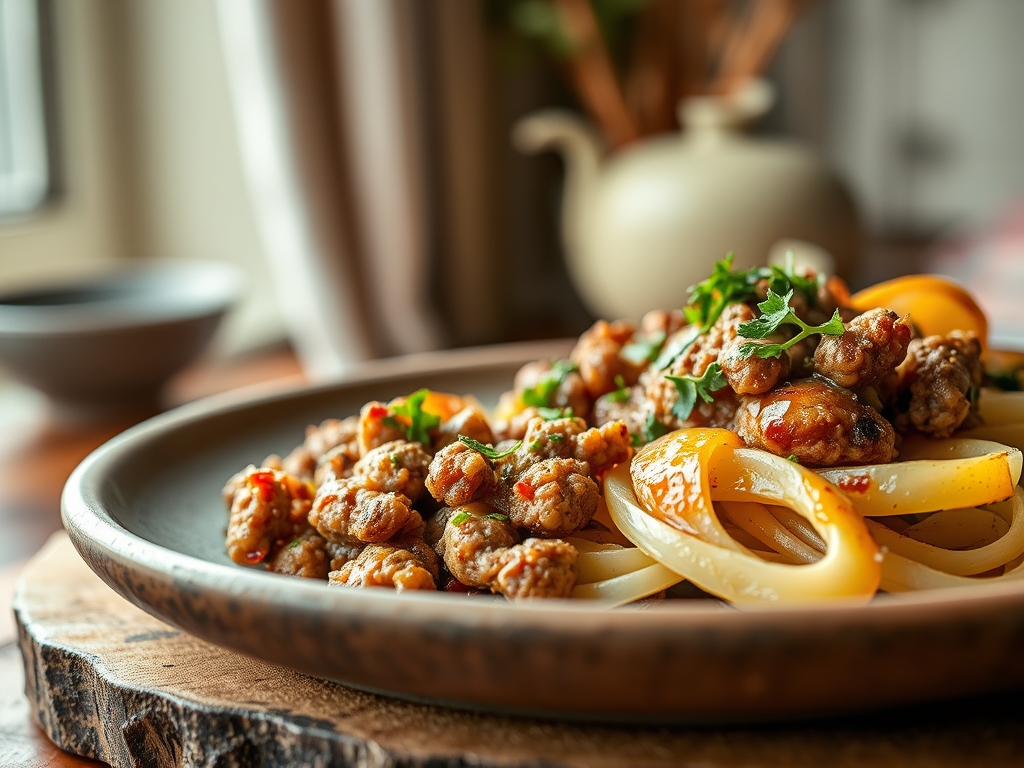
Picture the sound of a heavy-bottomed skillet meeting a high-heat flame; it is the overture to a kitchen masterpiece. When you are craving comfort that actually satisfies, ground pork and potato recipes offer the perfect marriage of rich, rendered fats and starchy, pillowy textures. This combination is a culinary powerhouse that bridges the gap between humble home cooking and gourmet flair.
The secret lies in the pork itself. Unlike beef, ground pork possesses a higher percentage of monounsaturated fats that liquefy at lower temperatures, creating a luscious mouthfeel that coats every cube of potato. Whether you are aiming for a crispy breakfast hash or a deep, savory ragu, these two ingredients are your most versatile allies. We are moving beyond basic meat and potatoes to explore how heat, acid, and seasoning transform these staples into eight distinct, restaurant-quality profiles.
The Gathers:
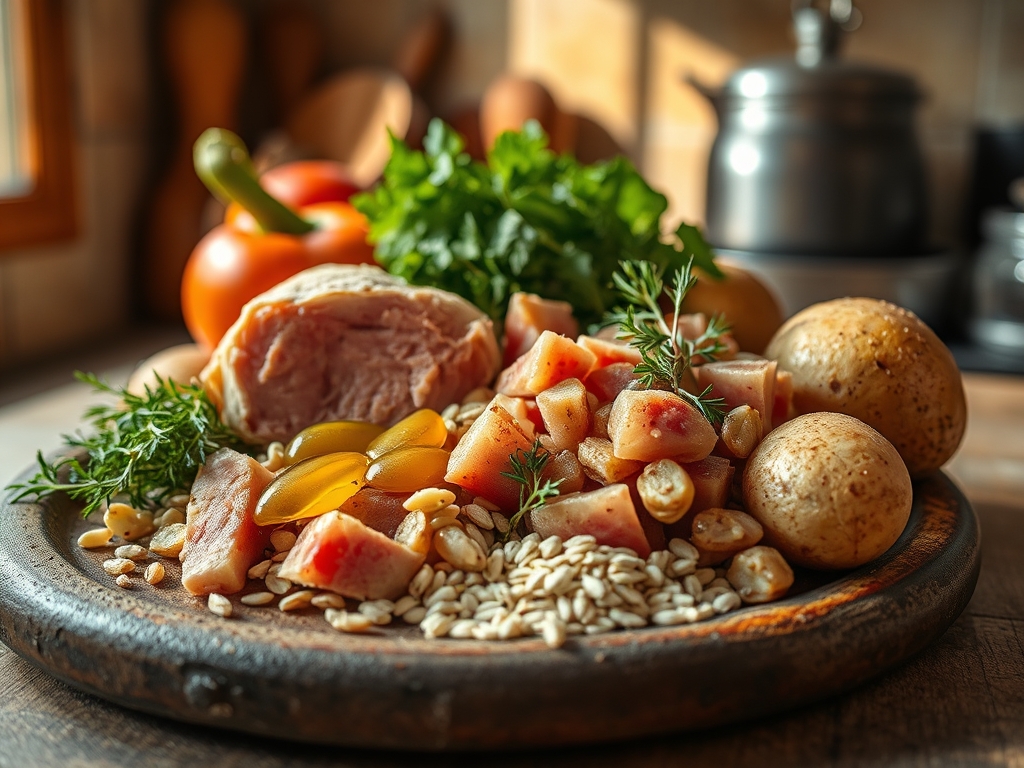
Setting up your mise-en-place is more than just organization; it is about managing the chemical potential of your ingredients. For these ground pork and potato recipes, you will need a high-starch potato, such as a Russet, to ensure a fluffy interior, or a waxy Yukon Gold if you want cubes that hold their structural integrity during a vigorous sauté.
Your pork should ideally be an 80/20 lean-to-fat ratio. This ensures enough lipids to render out and fry the potatoes without leaving the dish feeling greasy. Grab your digital scale to measure out 500 grams of pork and 750 grams of potatoes. You will also need aromatics: a head of garlic, three large shallots, and fresh thyme. For the "Smart Substitutions," if you find yourself without pork, ground dark-meat turkey provides a similar fat profile. If you are dodging nightshades, peeled celery root offers a surprisingly similar texture to potatoes when roasted. Always keep a bottle of dry white wine or a splash of apple cider vinegar nearby; you will need the acid to deglaze the pan and cut through the richness of the pork fat.
The Clock: Timing Your Flow
Efficiency in the kitchen is all about "Chef's Flow." You should expect about 15 minutes of active prep time and 25 to 30 minutes of cook time. The trick is to utilize the "dead time" while your potatoes are parboiling or roasting to prep your aromatics with a sharp bench scraper.
Start by getting your potatoes into heat first. Because they are denser than the protein, they require a head start to ensure the centers are creamy by the time the pork reaches its safe internal temperature of 160 degrees Fahrenheit. If you are using a heavy-bottomed skillet, remember that it takes about three minutes to properly preheat. Never rush the initial sear; patience is the difference between gray, boiled meat and a deeply browned, Maillard-reacted crust.
The Masterclass:
1. The Initial Sear and Render
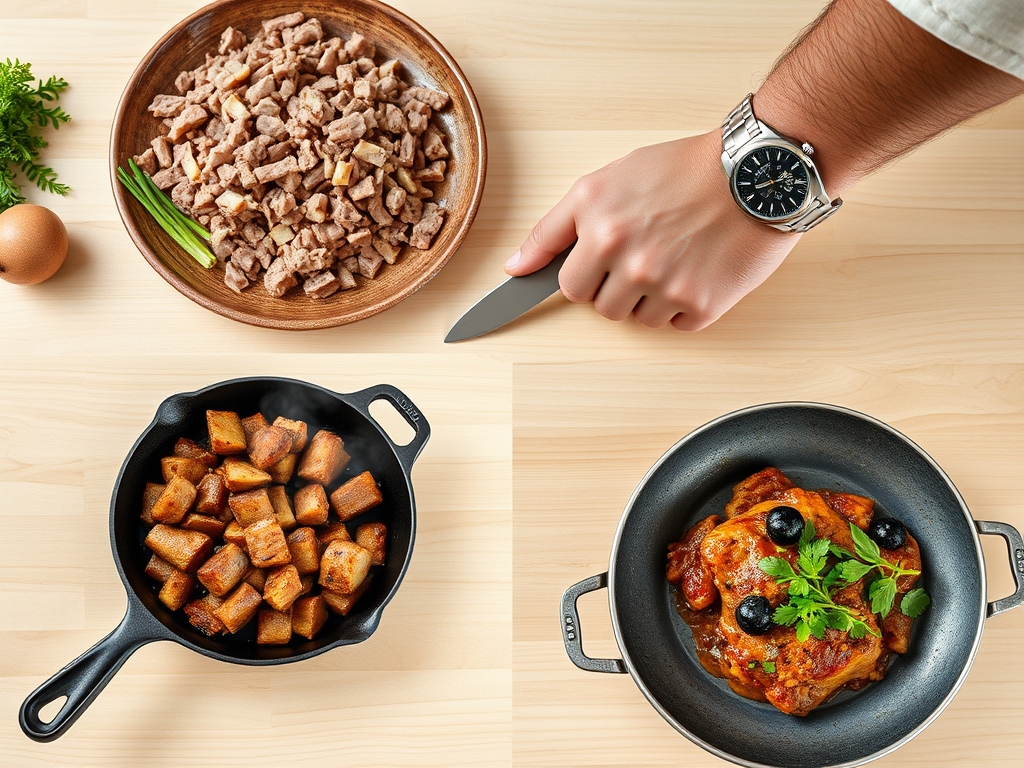
Place your ground pork in a cold skillet and gradually increase the heat. This allows the fat to render slowly, providing a natural cooking oil for the meat. Use a wooden spoon to break the pork into uniform crumbles to ensure even heat distribution.
Pro Tip: This technique prevents the proteins from tightening too quickly. By starting in a cooler pan, you avoid the "tough crumble" syndrome and maximize the surface area for the Maillard reaction, which creates those complex, savory flavors.
2. Parboiling the Potatoes
While the pork browns, drop your cubed potatoes into boiling salted water for exactly five minutes. You are looking for "fork-tender" edges but a firm core. Drain them and let them steam-dry in the colander for sixty seconds.
Pro Tip: Steam-drying allows the surface moisture to evaporate. This is crucial because water is the enemy of crispiness; if the potatoes are wet when they hit the pork fat, they will steam rather than fry, resulting in a soggy texture.
3. Creating the Flavor Base
Push the browned pork to the perimeter of the pan and drop in your minced shallots and garlic. Use a microplane to zest in a bit of lemon or grate ginger directly into the center. Sauté until the aromatics are translucent and fragrant.
Pro Tip: This is called "blooming" your aromatics. The essential oils in the garlic and spices are fat-soluble, meaning they infuse the rendered pork fat with flavor, which then coats every other ingredient in the pan.
4. The Golden Marriage
Toss the parboiled potatoes into the skillet with the pork. Increase the heat to medium-high and leave them undisturbed for three minutes. This allows a crust to form on the potato surfaces where they contact the hot metal.
Pro Tip: This stage utilizes conduction heating. By leaving the potatoes still, you allow the starch to undergo gelatinization and then dehydration, creating that coveted "crunch" that contrasts with the tender pork.
5. Deglazing for Depth
Pour in half a cup of chicken stock or white wine. Use your tongs or a spatula to scrape up the brown bits (the fond) stuck to the bottom of the pan. Stir until the liquid has reduced by half and becomes slightly viscous.
Pro Tip: Deglazing isn't just for cleaning the pan; it incorporates the concentrated flavor of the fond back into the sauce. The reduction process concentrates the sugars and proteins, creating a natural emulsification.
6. The Herb Infusion
Turn off the heat and toss in a handful of fresh parsley, chives, or rosemary. The residual heat will be enough to release their aroma without turning the herbs bitter or brown.
Pro Tip: This relies on thermal carryover. The skillet retains enough energy to wilt the herbs and finish the internal cooking of the potatoes without overcooking the delicate pork proteins.
The Deep Dive: Science and Solutions
From a macro perspective, ground pork and potato recipes are a balanced powerhouse. You get high-quality protein and essential amino acids from the pork, while the potatoes provide complex carbohydrates and potassium. To make this Keto-friendly, swap the potatoes for roasted cauliflower florets. For a Vegan version, use a mushroom-and-walnut crumble seasoned with liquid smoke to mimic the umami of pork.
If you hit a snag, don't panic. If your dish feels too greasy, the "Fix-It" is acid; a squeeze of fresh lime or a teaspoon of Dijon mustard will emulsify the excess fat and brighten the palate. If the potatoes are sticking, your pan wasn't hot enough before adding them; next time, wait for the "shimmer" in the oil. If the meat is dry, you likely over-rendered it; add a splash of heavy cream or a knob of butter at the end to restore the lipid barrier.
For meal prep, remember that potatoes can turn "mealy" when frozen. To maintain "day-one" quality, store your pork and potato blend in an airtight container in the fridge for up to four days. Reheat in a skillet over medium heat rather than the microwave; this re-crisps the exterior of the potatoes and prevents the pork from becoming rubbery.
The Wrap-Up
Mastering ground pork and potato recipes is like learning a secret language of comfort. Once you understand how the fats render and the starches crisp, you can pivot from a spicy Sichuan-style stir fry to a classic farmhouse hash with ease. It is about the chemistry of the crunch and the soul of the sear. So, grab your favorite saucier or skillet, trust your nose, and get cooking. Your kitchen is about to smell incredible!
The Kitchen Table:
What is the best potato for ground pork recipes?
Yukon Gold potatoes are the gold standard. They possess a medium starch content that allows them to hold their shape while still developing a creamy, buttery interior that complements the richness of the ground pork perfectly.
How do I prevent my ground pork from being dry?
Avoid overworking the meat in the pan. Brown it in large chunks first to retain moisture, then break it down. Adding a splash of stock or a tablespoon of cold butter at the end helps create a luscious, moist finish.
Can I make these recipes in one pan?
Absolutely. Using a heavy-bottomed skillet allows you to sear the pork, remove it, crisp the potatoes in the rendered fat, and then recombine everything. This maximizes flavor by utilizing the pork "fond" for the potatoes.
How do I get my potatoes extra crispy?
The secret is parboiling them in salted water with a pinch of baking soda. This breaks down the surface starch, creating more "nooks and crannies" that crisp up intensely when they hit the hot pork fat in the skillet.