
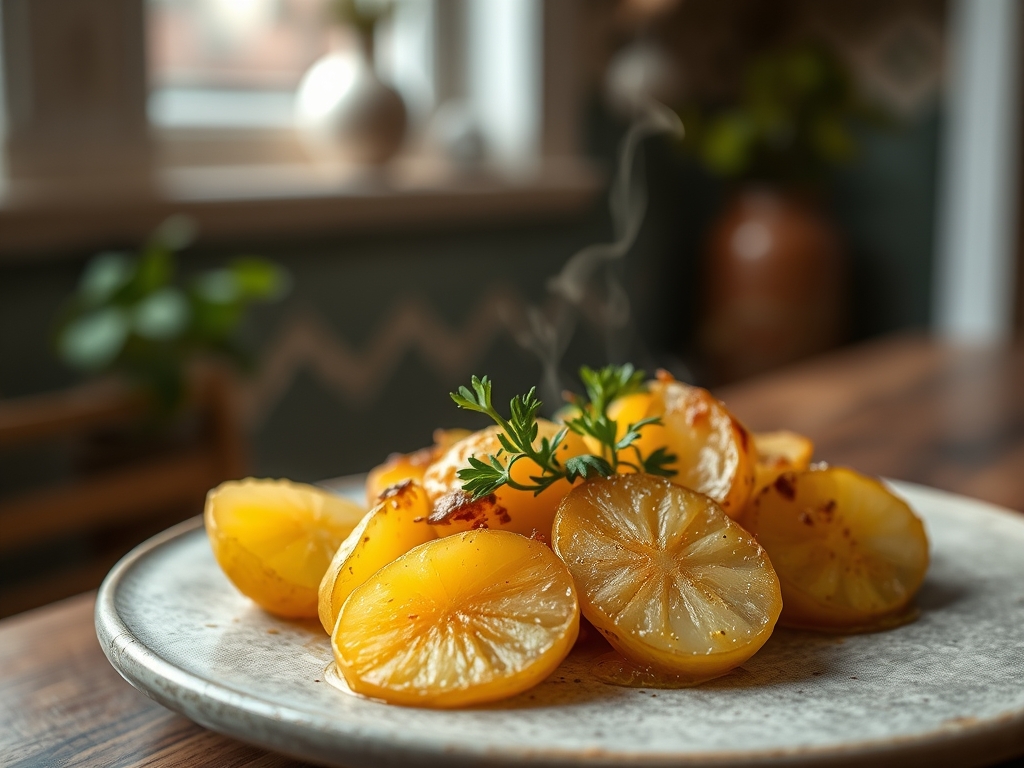
Picture a kitchen bathed in golden afternoon light where the air smells like a sharp, citrusy cloud and toasted garlic. There is something fundamentally transformative about the way acid interacts with a humble starch. When you dive into the world of lemon potato recipes, you are not just making a side dish; you are conducting a masterclass in flavor balancing. We have all had those soggy, lackluster spuds that taste like an afterthought. Today, we are changing that narrative. We are going to harness the power of citric acid to break down pectin and the magic of high-heat roasting to achieve a glass-like crunch. This is about more than just dinner. It is about the chemistry of the perfect bite, where the piquant brightness of the fruit cuts through the earthy, buttery richness of the tuber. Grab your favorite apron and a sharp knife because we are about to turn the ordinary into something absolutely luminous.
The Gathers:
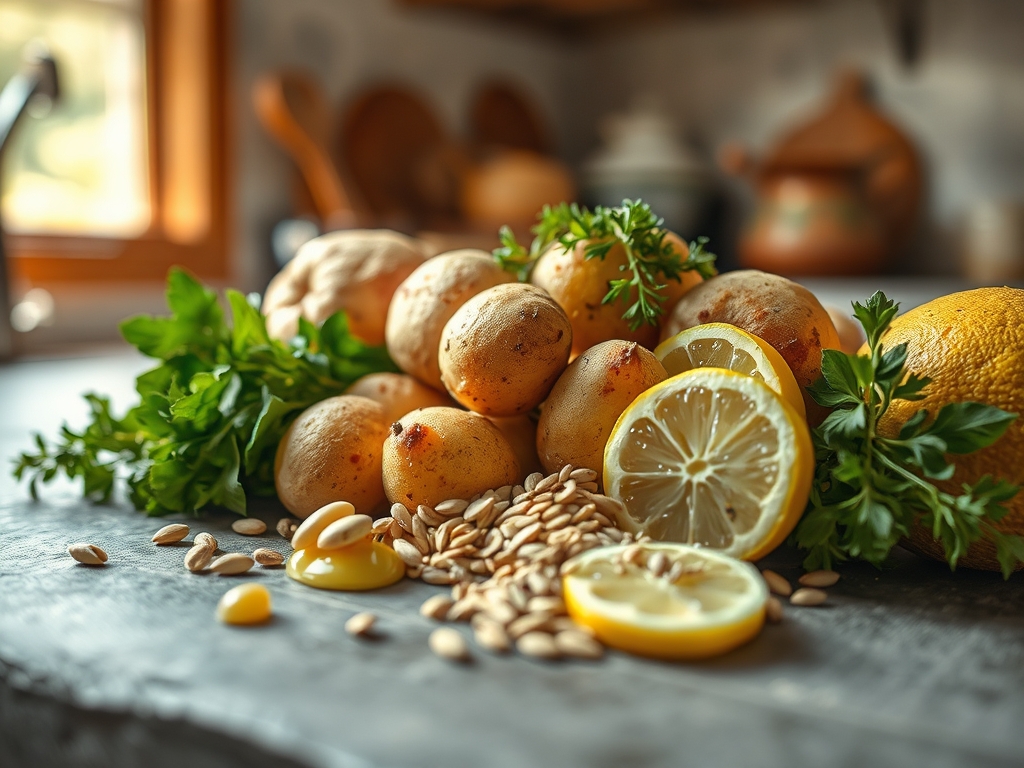
To achieve the best lemon potato recipes, your mise-en-place must be precise. Start with high-starch potatoes like Russets for maximum fluff or Yukon Golds if you prefer a waxy, creamy interior. You will need a high-quality extra virgin olive oil with a high polyphenol count to ensure the fat does not oxidize at high temperatures. Freshness is non-negotiable here. Use heavy, firm lemons that feel weighted for their size; this indicates a high juice-to-pulp ratio.
Your toolkit is just as vital as your ingredients. Pull out your microplane for zesting, as it allows you to shave off the flavedo without hitting the bitter white pith. You will also need a heavy-bottomed skillet or a thick rimmed baking sheet to ensure even heat distribution and prevent warping. For the aromatics, gather fresh rosemary and oregano. The oils in these herbs are fat-soluble, meaning they will infuse into the roasting fat and coat every square inch of the potato.
Smart Substitutions: If you are out of fresh lemons, a high-quality preserved lemon paste provides a concentrated, fermented funk that is incredible. No Yukon Golds? Red Bliss potatoes work well, though they have a lower starch content and will not crisp as aggressively. If you want to lower the saturated fat, avocado oil is a brilliant substitute for butter due to its incredibly high smoke point of 520 degrees Fahrenheit.
The Clock:
The "Chef's Flow" is all about timing and temperature management. Total active prep time is approximately 15 minutes, while the total cook time spans 45 to 55 minutes. You cannot rush the Maillard reaction. The first 20 minutes are dedicated to parboiling and steam-drying, which is the secret to that craggy, crispy exterior. The final 30 to 35 minutes are spent in a high-heat oven at 425 degrees Fahrenheit. By syncing your prep work while the water boils, you create a seamless transition from the cutting board to the oven.
The Masterclass:
1. The Precision Cut
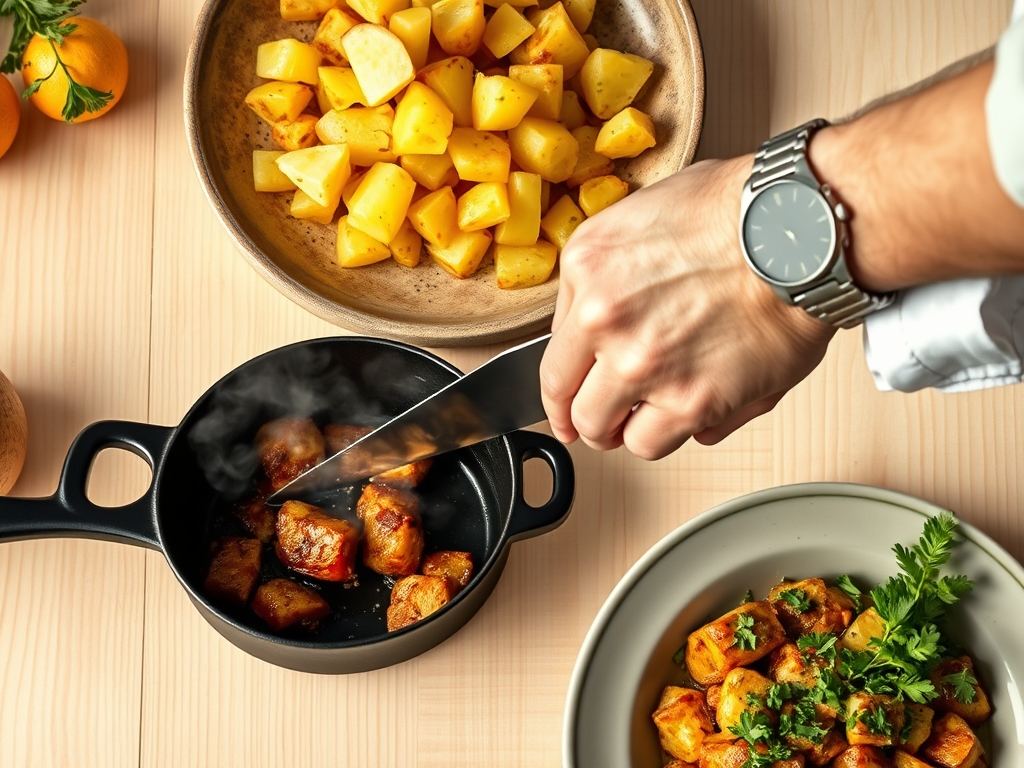
Using a sharp chef knife or a bench scraper, cut your potatoes into uniform two-inch chunks. Uniformity is not just for aesthetics; it ensures that every piece reaches the same internal temperature simultaneously.
Pro Tip: This prevents enzymatic browning. By keeping the cut potatoes in a bowl of cold water, you wash away excess surface starch and prevent the phenols from reacting with oxygen, which keeps the flesh white and pristine.
2. The Alkaline Parboil
Place the potatoes in a pot of cold, heavily salted water. Add a half-teaspoon of baking soda. Bring to a boil and simmer until the edges are just starting to soften but the core remains firm.
Pro Tip: The baking soda raises the pH of the water, which breaks down the pectin on the potato's surface. This creates a starchy slurry that, once roasted, dehydrates into an incredibly thick and crunchy crust.
3. The Steam Dry
Drain the potatoes in a colander and let them sit for three full minutes. Give them a vigorous shake to roughen up the edges.
Pro Tip: This utilizes evaporative cooling. Removing surface moisture is essential because water is the enemy of crispiness. If you put wet potatoes in the oven, they will steam rather than roast.
4. The Emulsified Infusion
In a small saucier, warm your olive oil, lemon juice, minced garlic, and dried oregano. Whisk until the mixture is slightly viscous. Pour this over the potatoes and toss until they are coated in a thick, pale yellow paste.
Pro Tip: This is a temporary emulsion. The starch from the parboiling acts as a stabilizer, helping the oil and lemon juice cling to the potato instead of pooling at the bottom of the pan.
5. The High-Heat Roast
Spread the potatoes onto a preheated baking sheet. Do not crowd them. If they are too close, they will trap steam. Roast at 425 degrees Fahrenheit, flipping halfway through with metal tongs.
Pro Tip: Preheating the pan initiates thermal shock. The moment the potato hits the hot metal, the bottom surface begins to sear, locking in moisture while the exterior begins to dehydrate and crisp.
6. The Zest and Rest
Once the potatoes are deep gold, remove them from the oven. Immediately shower them with fresh lemon zest and flaky sea salt while they are still sizzling.
Pro Tip: This stage relies on thermal carryover. The residual heat will gently toast the fresh zest and release its essential oils without burning them, providing a final hit of bright, aromatic top notes.
The Deep Dive:
When we look at the macro nutrition of lemon potato recipes, we see a powerhouse of complex carbohydrates and Vitamin C. A standard serving provides roughly 200 calories, 4 grams of fiber, and a significant dose of potassium. To keep this Keto-friendly, you can swap the potatoes for cauliflower florets, though you should skip the parboiling step. For a Vegan version, ensure you are using a high-quality oil rather than a butter blend.
The Fix-It:
- Soggy Potatoes: Usually caused by overcrowding the pan. Fix: Return them to a clean, preheated tray in a 450-degree oven for five minutes to flash-dry the exteriors.
- Burnt Garlic: This happens when garlic is minced too finely and added too early. Fix: Next time, use smashed whole cloves and remove them halfway through, or add minced garlic only in the last 10 minutes.
- Too Sour: If the lemon is overpowering, the pH is off. Fix: A tiny pinch of granulated sugar or a drizzle of honey will neutralize the sharp acid without making the dish taste sweet.
Meal Prep: To maintain "day-one" quality, never microwave your leftovers. The microwave vibrates water molecules, which turns the crispy starch back into a gummy mess. Instead, reheat them in an air fryer or a toaster oven at 375 degrees for six minutes. This re-dehydrates the surface and restores the structural integrity of the crust.
The Wrap-Up:
Mastering lemon potato recipes is a rite of passage for any home cook looking to elevate their vegetable game. By understanding the interplay between alkaline water, high-quality fats, and the bright acidity of citrus, you turn a budget-friendly staple into a gourmet experience. Remember to trust the science of the parboil and never skimp on the zest. Your kitchen is now a laboratory of flavor; go forth and roast with confidence!
The Kitchen Table:
Which potato is best for roasting with lemon?
Yukon Golds are the gold standard. Their naturally buttery texture and medium starch content allow for a creamy interior that contrasts perfectly with the sharp, acidic lemon juice and a high-heat crispy exterior.
Can I use bottled lemon juice instead of fresh?
Avoid bottled juice if possible. Bottled versions often contain preservatives and lack the volatile aromatic oils found in fresh fruit. Fresh juice provides the necessary piquant brightness that defines high-quality lemon potato recipes.
Why do my potatoes stick to the baking sheet?
Sticking usually occurs if the pan wasn't preheated or if you try to flip the potatoes before the Maillard reaction has fully set the crust. Wait until they release naturally from the metal surface.
How do I make the potatoes extra crispy?
The secret is the baking soda parboil. By breaking down the surface pectin, you create more surface area. This extra starch fries in the oven oil, creating a thick, glass-like crunch that lasts.
Can I add the lemon zest before roasting?
It is better to add zest at the end. High oven temperatures can turn the delicate oils in the zest bitter. Adding it as a finishing touch preserves the bright, floral aroma of the citrus.