
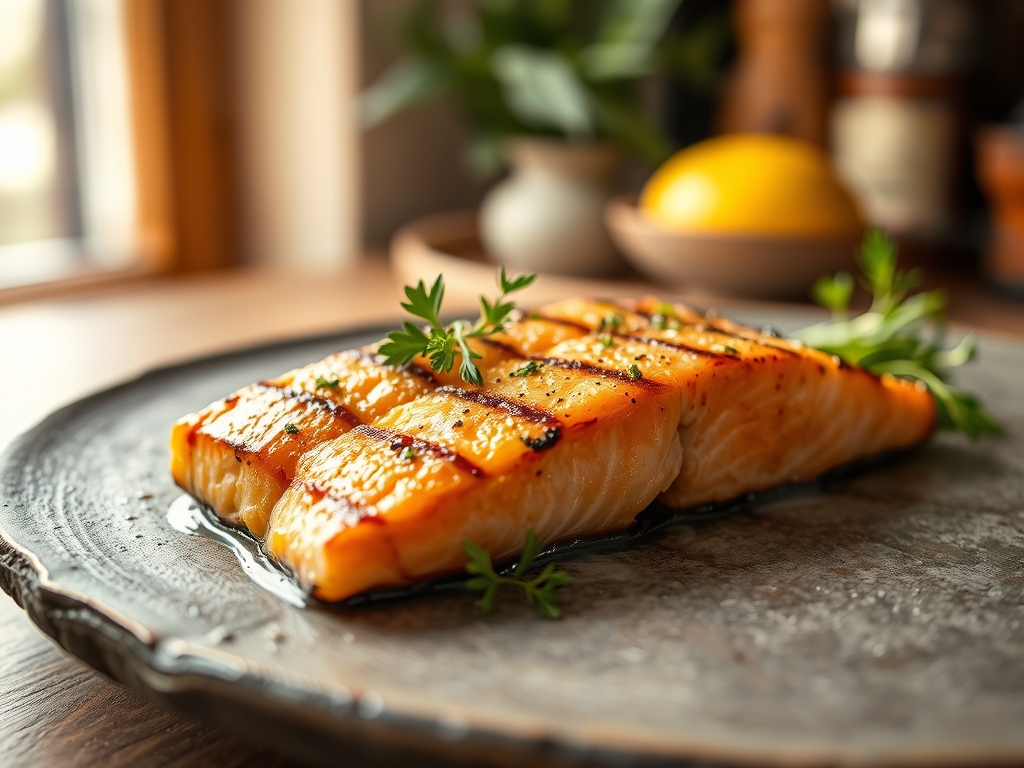
Close your eyes and imagine the sound of a high-heat sear. It is that aggressive, rhythmic hiss that signals the Maillard reaction is currently transforming dull proteins into a golden, caramelized crust. When you are searching for the ultimate grilled lemon salmon recipes, you are not just looking for a meal; you are looking for a sensory explosion. The air fills with the scent of charred citrus oils and the savory aroma of rendering fats. This dish is the crown jewel of weeknight luxury. It is bright, it is buttery, and it is scientifically designed to hit every single taste bud on your tongue. We are talking about a texture that shatters under a fork only to reveal a center so succulent it practically melts. This is the intersection of high-heat physics and culinary art. You are about to master the balance of acidity and fat that makes this specific preparation a global favorite. Grab your apron and your favorite tongs; we are diving deep into the chemistry of the perfect char.
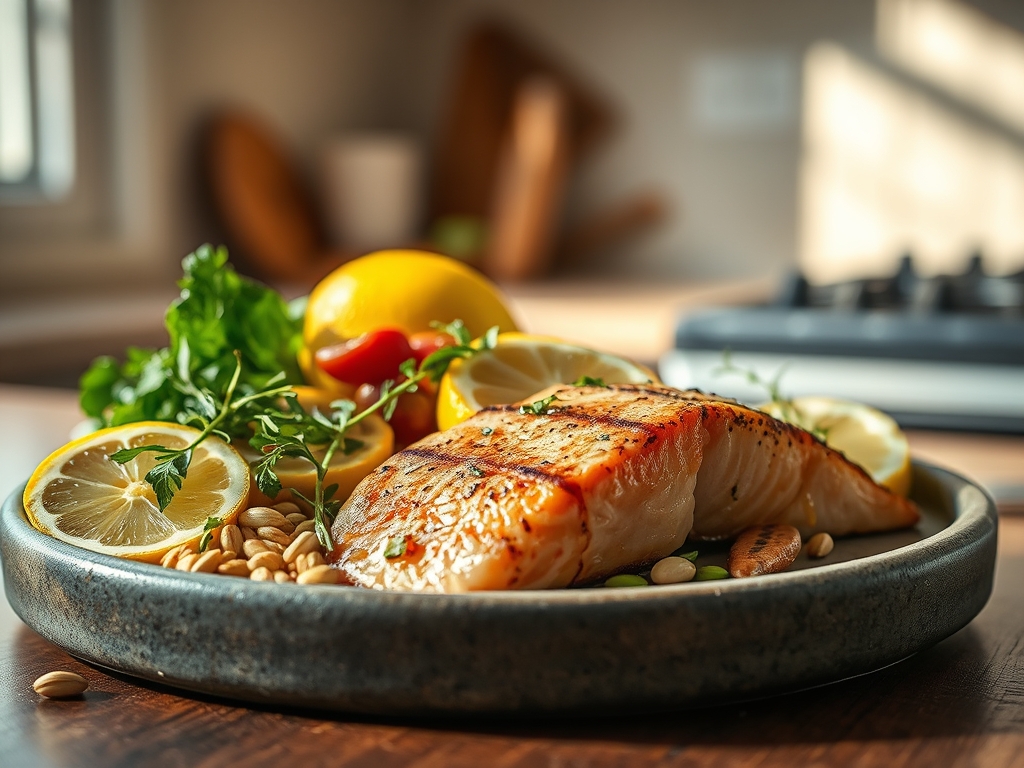
The Gathers:
To execute this masterpiece, your mise-en-place must be precise. We start with the protagonist: center-cut Atlantic or King salmon fillets. Look for deep pigmentation, which indicates a high concentration of astaxanthin, a powerful antioxidant. You will need high-quality lipids; choose an oil with a high smoke point like avocado oil to prevent the formation of acrolein, which creates a bitter taste. For the citrus, select heavy, thin-skinned lemons. These are more viscous and yield more juice than their thick-skinned counterparts.
Your seasoning kit requires coarse kosher salt for its jagged crystal structure, which adheres better to the flesh, and freshly cracked black pepper. You will also need a bunch of fresh dill and parsley to provide a piquant aromatic finish. For the "Smart Substitutions," if you are out of fresh lemons, a splash of high-quality white wine vinegar or a pinch of citric acid can mimic that necessary brightness. If you prefer a more complex fat profile, swap the avocado oil for clarified butter, also known as ghee, which offers a nutty flavor without the risk of burning milk solids. Ensure you have your microplane ready to harvest the zest, where the flavorful essential oils reside.
The Clock:
Efficiency in the kitchen is all about the "Chef's Flow." Total active preparation time is approximately 15 minutes, while the actual cook time sits between 8 and 12 minutes depending on the thickness of your fillets. However, the most critical part of the clock is the 20-minute "tempering" period. You must pull your fish from the refrigerator and let it sit at room temperature. This reduces the thermal shock when the fish hits the heat, ensuring the exterior does not overcook before the center reaches its target temperature. While the fish tempers, use this time to aerate your herbs and prepare your side dishes. A seamless flow means your table is set and your wine is poured the moment the salmon finishes its final rest.
The Masterclass:
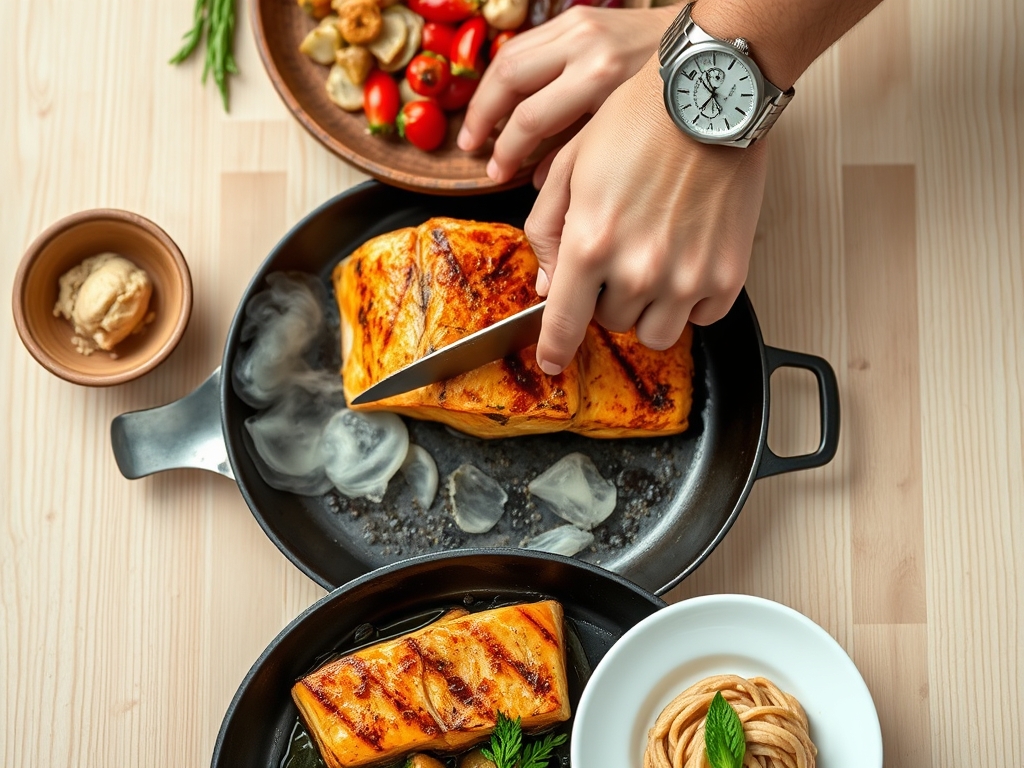
1. The Surface Prep
Use a paper towel to pat the salmon bone-dry. Moisture is the enemy of a crisp sear; if the surface is wet, the fish will steam rather than grill. Pro Tip: This is known as preventing evaporative cooling. By removing surface water, the energy of the grill goes directly into browning the proteins rather than boiling off moisture.
2. The Zest Infusion
Use your microplane to zest two lemons directly over the fillets. Rub the zest into the flesh along with your oil and salt. Pro Tip: Essential oils in the zest are fat-soluble. By mixing the zest with oil first, you infuse the flavor throughout the entire cut of fish rather than just leaving it on the surface.
3. The Grate Seasoning
Clean your grill grates thoroughly with a wire brush and then wipe them with an oil-soaked towel using your tongs. Pro Tip: This creates a polymerized layer of oil, similar to seasoning a cast-iron skillet, which prevents the delicate fish skin from sticking to the metal.
4. The Initial Sear
Place the salmon skin-side down on the hottest part of the grill. Press down lightly with a fish spatula to ensure full contact. Pro Tip: This prevents the skin from curling. As the collagen in the skin heats up, it contracts; physical pressure keeps it flat for an even, crispy texture.
5. The Lemon Floor
Slice a third lemon into thick rounds and place them directly on the grill grates next to the fish. Pro Tip: Grilling the lemons causes enzymatic browning and caramelizes the natural sugars. This transforms the juice from sharp and acidic to mellow, smoky, and sweet.
6. The Flip and Glaze
Once the skin releases naturally from the grates, flip the fillet. Squeeze the grilled lemon juice over the cooked side. Pro Tip: The "release" is a chemical signal that the proteins have fully denatured and formed a crust. If it sticks, it is not ready to flip yet.
7. The Thermal Check
Use a digital thermometer to check the internal temperature. Aim for 125 degrees Fahrenheit for medium-rare or 135 degrees for medium. Pro Tip: Remember thermal carryover. The internal temperature will continue to rise about 5 degrees after you remove it from the heat source.
8. The Herb Finish
Remove the fish and immediately shower it with minced dill and parsley. Pro Tip: The residual heat will slightly wilt the herbs, releasing their volatile aromatics without destroying their bright green color or delicate flavor.
9. The Rest
Allow the salmon to rest on a warm plate for 3 to 5 minutes before serving. Pro Tip: Resting allows the muscle fibers to relax and reabsorb the juices. If you cut into it too soon, the moisture will leak out, leaving the fish dry.
The Deep Dive:
From a nutritional standpoint, this dish is a powerhouse. A standard 6-ounce serving provides roughly 34 grams of high-quality protein and is rich in Omega-3 fatty acids, which support heart health and cognitive function. For those following a Keto lifestyle, this recipe is naturally low-carb and high-fat. If you are looking for a vegan alternative, you can apply this exact lemon-grilling technique to thick slabs of cauliflower or firm tofu, though you should increase the oil to compensate for the lack of natural fish fats.
Even the best chefs hit snags. If your salmon skin is soggy, your grill temperature was likely too low; ensure your coals are white or your gas grill has preheated for at least 15 minutes. If the fish is "bleeding" white gunk, that is albumin. This happens when the fish is cooked too fast or too long, forcing the protein to the surface. To fix this, lower your heat and pull the fish sooner. If the flavor is flat, you likely need more salt or a hit of acid; a final squeeze of fresh lemon usually does the trick.
For meal prep, reheating salmon is a delicate science. Avoid the microwave, which turns the fats rancid and the texture rubbery. Instead, place the salmon in a heavy-bottomed skillet with a tablespoon of water, cover it with a lid, and warm it over low heat. This creates a gentle steam environment that restores the "day-one" moisture without overcooking the core.
The Wrap-Up:
Mastering grilled lemon salmon recipes is about more than just following a list of steps; it is about understanding the physics of the flame and the chemistry of the citrus. You have learned how to manage moisture, control temperature, and use professional tools to achieve a restaurant-quality result in your own backyard. This dish is vibrant, healthy, and undeniably impressive. Now, get out there, fire up that grill, and show those fillets who is boss!
The Kitchen Table:
How do I keep the salmon from sticking to the grill?
Ensure your grill is incredibly hot and the grates are clean. Rub the grates with an oil-soaked paper towel right before placing the fish down. Do not attempt to flip the fish until it releases naturally from the metal.
What is the best temperature for grilled salmon?
For a buttery, moist texture, pull the salmon off the grill when the internal temperature reaches 125 to 130 degrees Fahrenheit. Carryover cooking will bring it to a perfect 135 degrees as it rests on the plate.
Can I use frozen salmon for this recipe?
Yes, but you must thaw it completely in the refrigerator first. Pat it extremely dry with paper towels to remove excess moisture from the freezing process, which can prevent the skin from becoming crispy during the searing phase.
Why is my salmon oozing white stuff?
That white substance is called albumin, a harmless protein. It appears when the salmon is cooked too quickly or to an internal temperature that is too high. To prevent this, use a lower heat and a digital thermometer.