
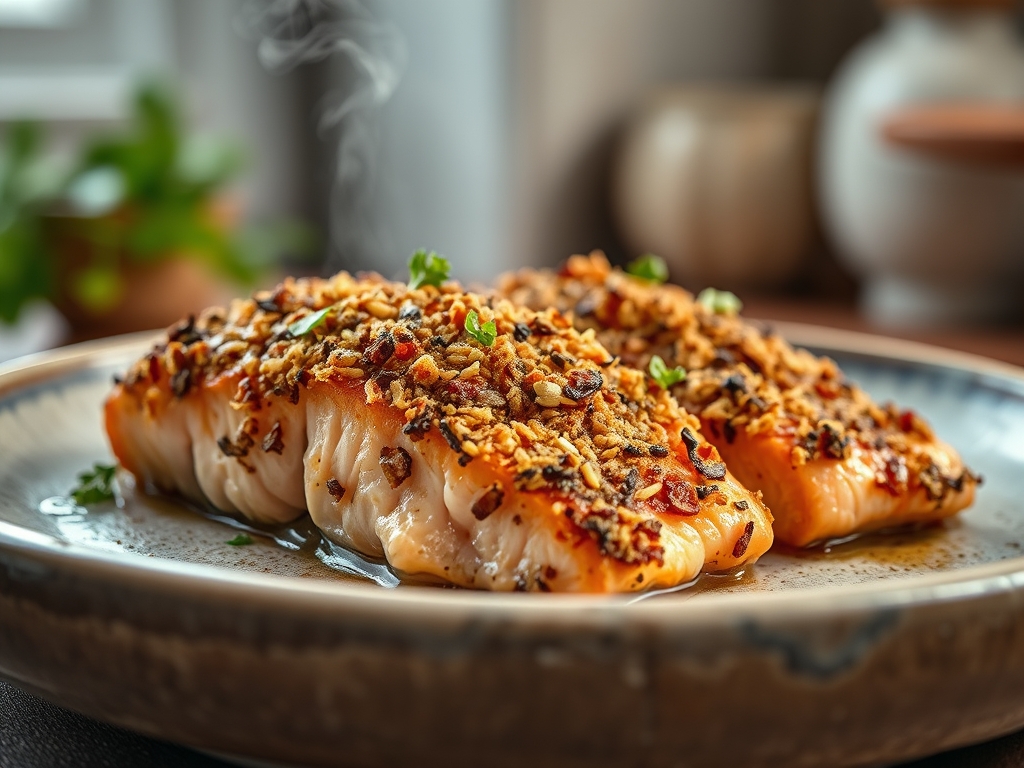
Picture the precise moment your fork meets the surface of a perfectly executed fillet. There is a distinct, audible snap as the golden exterior yields to a translucent, buttery center that practically melts upon contact. This is the sensory peak of crusted salmon recipes baked to perfection; a harmony of textures that elevates a simple weeknight staple into a five star experience. We are moving far beyond the soggy, uninspired fish of the past. By leveraging the principles of heat transfer and moisture retention, we can transform a standard piece of protein into a masterpiece of culinary architecture. This guide is your roadmap to mastering the delicate balance between a high heat crunch and a tender, succulent interior. We will explore the molecular magic of the Maillard reaction and the importance of fat emulsification, ensuring your kitchen smells like a high end bistro. Grab your apron and clear your workstation; we are about to redefine what home cooked seafood can be through a lens of wit, science, and sheer deliciousness.
The Gathers:
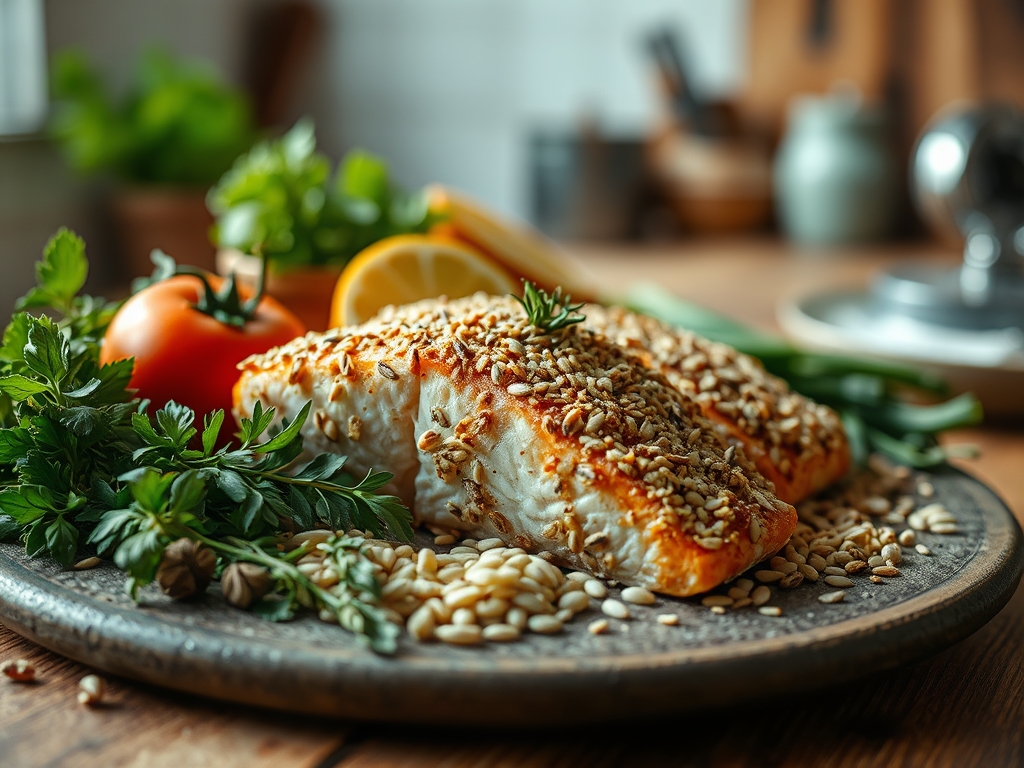
To begin our journey, we must assemble a mise en place that respects the integrity of the ingredients. Start with high quality Atlantic or King salmon fillets; look for deep pigmentation and firm muscle fibers. For the crust, we require panko breadcrumbs for their airy, jagged surface area, which provides a superior crunch compared to dense traditional crumbs. We will bind these using a viscous mixture of Dijon mustard and honey, creating an emulsion that prevents the crust from sliding off during the bake.
Aromatics are non negotiable. You will need fresh flat leaf parsley for a herbaceous lift and a lemon to provide piquant acidity via its zest. Use a microplane to harvest the zest without hitting the bitter white pith. For the fat component, high quality unsalted butter or extra virgin olive oil is essential to infuse the crust with richness.
Smart Substitutions: If you are navigating a gluten free lifestyle, crushed pecans or almond flour provide an incredible nutty profile and a similar structural integrity. For those seeking a dairy free option, avocado oil serves as a fantastic high smoke point substitute for butter. If you find yourself without Dijon, a spicy brown mustard offers a bolder, more rustic flavor profile that stands up well to the richness of the fish.
The Clock
Efficiency in the kitchen is all about the Chef's Flow. This recipe requires a total of 25 minutes from the moment you pull the fish from the refrigerator to the moment it hits the plate. Prep time accounts for 10 minutes; this includes the precision work of zesting, chopping, and mixing your crust. The actual baking time ranges from 12 to 15 minutes depending on the thickness of your fillets.
The "flow" involves preheating your oven to a reliable 400 degrees Fahrenheit while you prepare the crust. By the time your oven chime sounds, your salmon should be seasoned and coated. This synchronization ensures the fish does not sit at room temperature for too long, maintaining its structural proteins and food safety standards.
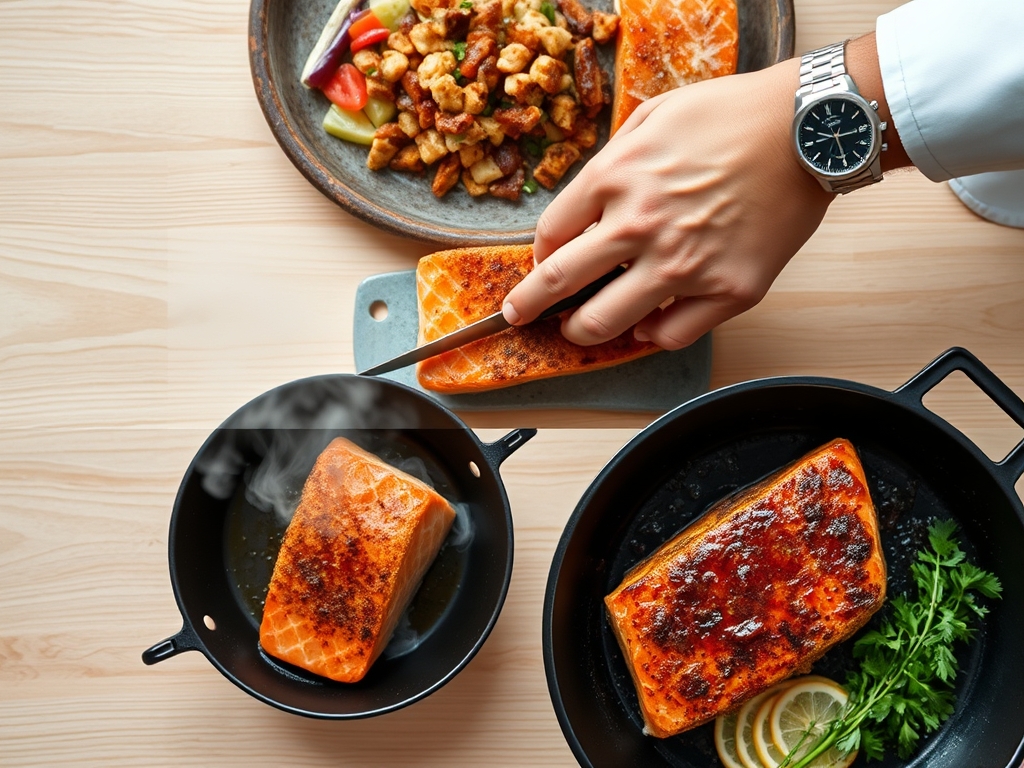
The Masterclass
1. Temper and Pat Dry
Remove your salmon from the refrigerator 15 minutes before cooking. Use a paper towel to aggressively pat the skin and flesh dry. Removing surface moisture is the only way to avoid unappealing steam.
Pro Tip: This process prevents a massive temperature shock. Cold fish in a hot oven causes the muscle fibers to contract violently, squeezing out albumin (that white unappealing protein), which ruins the aesthetic.
2. The Emulsion Bind
In a small saucier or bowl, whisk together your mustard, honey, and a dash of lemon juice. This creates a stable emulsion that acts as a glue for your crust.
Pro Tip: Mustard contains lecithin, a natural emulsifier. This ensures the fat and water based ingredients stay bonded, creating a moisture barrier that protects the fish from drying out.
3. Build the Texture
Combine your panko, zest, and melted butter in a separate bowl. Use a fork to aerate the mixture, ensuring every crumb is lightly coated in fat.
Pro Tip: Coating the crumbs in fat before they hit the oven ensures enzymatic browning happens evenly. Without this fat, the crumbs would simply desiccate rather than turn golden brown.
4. Seasoning the Foundation
Season the salmon fillets with kosher salt and freshly cracked black pepper. Use a digital scale if you want to be precise, but a generous pinch from a high altitude works best for even distribution.
Pro Tip: Salt acts as a denaturant. It begins to break down the surface proteins, allowing the mustard bind to penetrate deeper into the top layer of the fish for better flavor.
5. Applying the Crust
Spread a thin layer of the mustard mixture over the top of the fillets, then press the panko mixture firmly onto the surface. You want a thick, even "blanket" of crumbs.
Pro Tip: Compression is key. Pressing the crumbs ensures they are in direct contact with the heat conductive bind, facilitating a faster and more uniform crunch.
6. The High Heat Roast
Place the fillets on a parchment lined baking sheet. Slide them into the center rack of the oven. The parchment prevents sticking and makes cleanup a breeze.
Pro Tip: Using a heavy duty baking sheet provides better heat retention and even distribution, preventing the bottom of the salmon from overcooking before the top is browned.
7. The Internal Check
Use a digital meat thermometer to check the thickest part of the fillet. You are looking for an internal temperature of 125 to 130 degrees Fahrenheit for a perfect medium.
Pro Tip: This accounts for thermal carryover. The internal temperature will continue to rise about 5 degrees after you remove it from the oven as the residual heat moves toward the center.
8. The Rest
Transfer the salmon to a warm plate using wide tongs or a fish spatula. Let it rest for 3 to 5 minutes before serving.
Pro Tip: Resting allows the muscle fibers to relax and reabsorb the juices. If you cut into it immediately, the moisture will flood the plate, leaving you with dry fish.
The Deep Dive
From a nutritional standpoint, this dish is a powerhouse. Salmon is famous for its Omega 3 fatty acids, which support heart health and cognitive function. A standard 6 ounce serving provides roughly 34 grams of high quality protein. By using a crust, we add a bit of complex carbohydrates, but the overall glycemic load remains low.
Dietary Swaps: For a Keto version, swap panko for crushed pork rinds or extra parmesan cheese. For a Vegan "salmon" alternative, this crust works beautifully on thick slabs of roasted cauliflower or firm tofu.
The Fix-It:
- Soggy Crust: This usually happens if the oven temperature is too low. Ensure you use an oven thermometer to verify the heat.
- Dry Fish: You likely missed the carryover window. Pull the fish at 125 degrees next time.
- Crust Falling Off: Your bind was too thin. Make sure the mustard mixture is thick and tacky, not runny.
Meal Prep: To reheat and maintain "day one" quality, avoid the microwave. Use a toaster oven at 350 degrees for 5 minutes. This reactivates the fats in the crust, restoring the crunch without overcooking the delicate interior.
The Wrap-Up
Mastering crusted salmon recipes baked in your own kitchen is a true culinary flex. It is a dish that balances the sophistication of a professional kitchen with the soul warming comfort of a home cooked meal. By understanding the science of the bind and the importance of thermal carryover, you have graduated from a recipe follower to a kitchen scientist. Now, pour yourself a crisp glass of Sauvignon Blanc, garnish your plate with a final sprig of parsley, and enjoy the literal fruits of your labor. You have earned every crunchy, buttery bite!
The Kitchen Table
How do I keep the crust from getting soggy?
Ensure you pat the salmon completely dry before applying the bind. Additionally, pre toast your breadcrumbs in a pan for two minutes before applying them to the fish to guarantee a maximum crunch factor every time.
What is the best temperature for baked salmon?
For the perfect balance of a crispy crust and tender interior, 400 degrees Fahrenheit is the sweet spot. This high heat facilitates the Maillard reaction on the crust while cooking the fish quickly enough to retain its natural moisture.
Can I use frozen salmon for this recipe?
Yes, but you must thaw it completely in the refrigerator overnight. Once thawed, treat it exactly like fresh fish, paying extra attention to drying the surface, as frozen fish tends to release more exterior moisture during the thawing process.
How do I know when the salmon is finished cooking?
The most reliable method is using a digital thermometer to reach 125 degrees Fahrenheit. Visually, the fish should be opaque and flake easily with a fork, while the crust should be a deep, golden brown.