
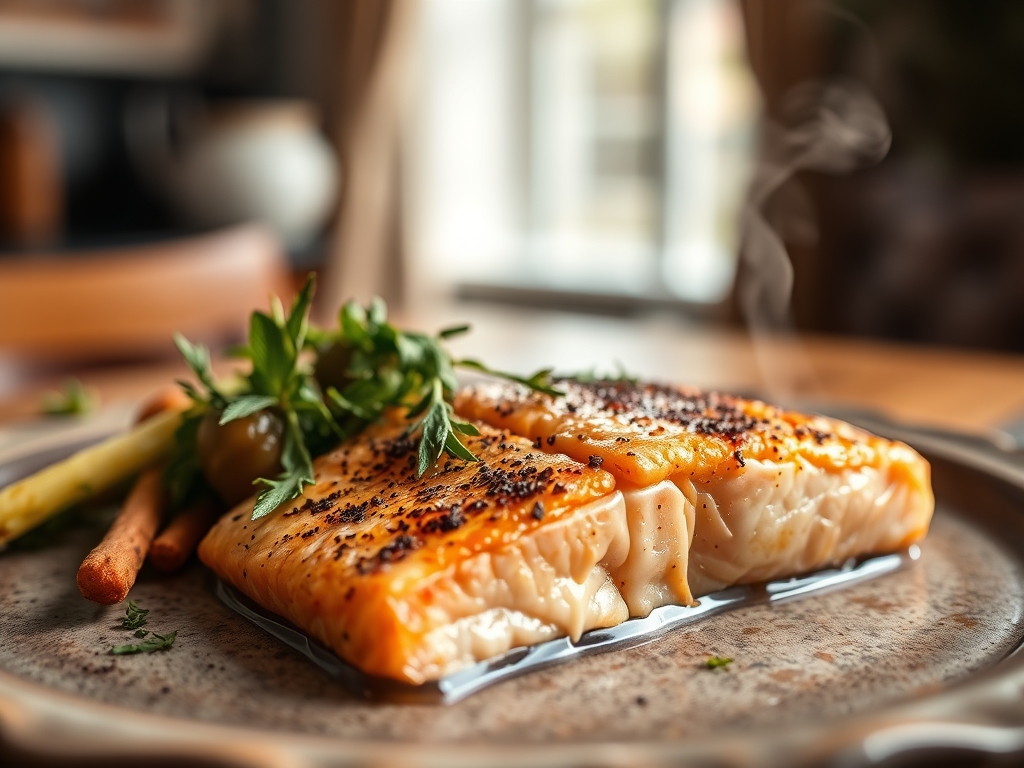
Picture the scene: you just walked through the door after a day that felt like a marathon, and the only thing standing between you and a nutritious dinner is a rock-solid block of pink protein. We have all been there. However, mastering frozen salmon recipes air fryer techniques is the ultimate kitchen cheat code for the modern professional. Forget the soggy, gray results of the past; we are talking about a transformative process that turns ice crystals into buttery, flakey perfection in under fifteen minutes. By leveraging high-velocity convection, we can achieve a crust that rivals any pan-seared fillet without the splattering mess of a heavy-bottomed skillet. This is not just a meal; it is a scientific victory over the freezer. We are diving deep into the mechanics of heat transfer to ensure your weeknight dinner feels like a five-star reservation. Grab your favorite apron and let us get technical with your dinner.
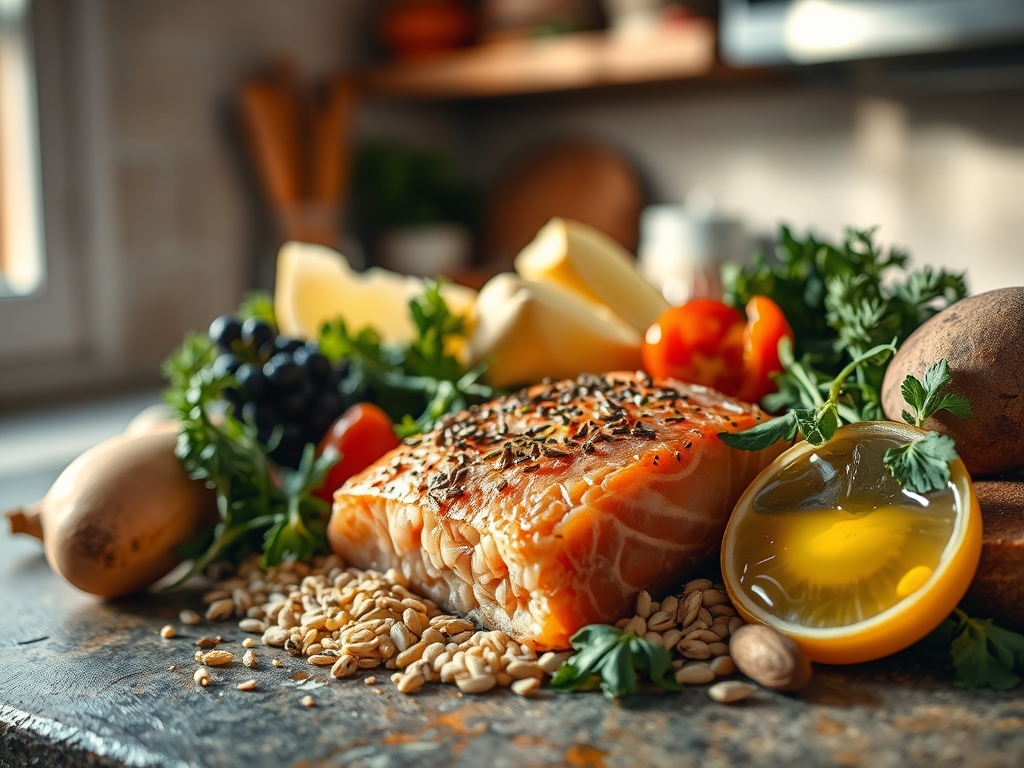
The Gathers:
To execute these frozen salmon recipes air fryer hacks, you need a mise-en-place that balances fatty acids with piquant acids. Start with high-quality, vacuum-sealed Atlantic or Sockeye fillets. You will need a high-smoke-point lipid like avocado oil or ghee to facilitate heat distribution. For the aromatics, reach for a microplane to zest fresh lemons and grate garlic into a fine, viscous paste. Kosher salt is non-negotiable for its jagged crystal structure that adheres to the fish, while freshly cracked black pepper provides the necessary bite.
Smart Substitutions: If you are out of fresh citrus, a splash of rice vinegar offers a similar bright acidity to cut through the rich lipids of the fish. Instead of honey for a glaze, try maple syrup or even a pinch of monk fruit sweetener if you are tracking glycemic impact. If you lack a specific seafood rub, a blend of smoked paprika and dried dill creates an instant "blackened" profile that mimics professional smokehouse flavors.
The Clock: Chef's Flow
Efficiency is the soul of great cooking. The total prep time for these hacks is a mere five minutes, mostly consisting of whisking your glaze in a small saucier or bowl. The cooking duration ranges from 12 to 15 minutes depending on the thickness of the fillet. The "Chef's Flow" dictates that you preheat your air fryer for at least three minutes. This ensures that the moment the fish hits the basket, the exterior begins to render fat and sear, preventing the protein from sticking to the tray. While the salmon air fries, use that ten-minute window to toss a salad or steam greens. By the time the timer dings, your entire meal is ready for plating.
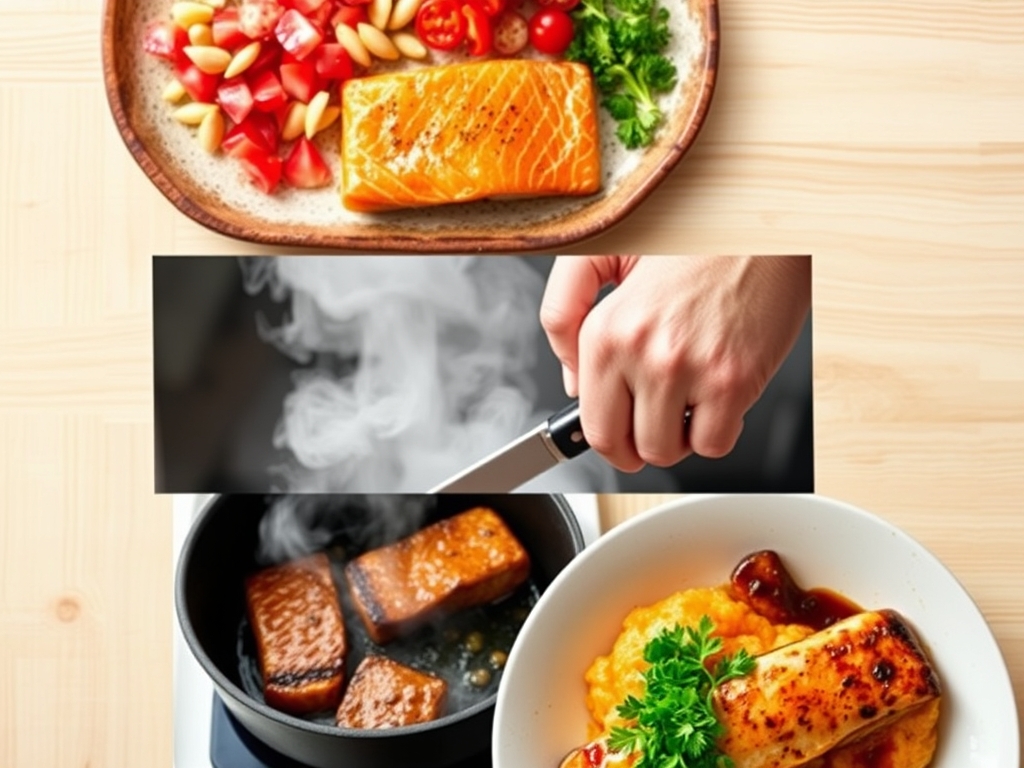
The Masterclass
1. The Tempering Pre-Wash
Start by running your frozen fillets under cold water for 30 seconds to remove any surface ice crystals. This prevents excess steam from trapped moisture, which can lead to a rubbery texture. Use a lint-free kitchen towel to pat the surface bone-dry.
Pro Tip: This step utilizes latent heat of fusion principles; by removing the ice layer, the air fryer's energy goes directly into cooking the protein rather than melting a barrier of frost.
2. The High-Heat Seal
Place the seasoned, frozen fillets skin-side down in the basket. Set your device to 390 degrees Fahrenheit. The initial blast of heat is crucial for setting the shape of the fish and preventing the albumin (that white protein) from leaking out too quickly.
Pro Tip: High initial heat triggers the Maillard reaction, a chemical dance between amino acids and reducing sugars that creates the savory, browned crust we crave.
3. The Emulsified Glaze Application
Halfway through the cooking cycle, use tongs to gently check the firmness. This is the moment to brush on your glaze. Whether it is a miso-maple blend or a simple lemon-butter emulsion, applying it now prevents the sugars from burning while allowing them to caramelize.
Pro Tip: Adding fats mid-way helps infuse the flesh with flavor as the muscle fibers begin to relax and expand under heat.
4. The Skin-Crisping Flip
If you prefer ultra-crispy skin, flip the fillet for the final two minutes of the cycle. This allows the hot air to circulate directly against the skin, rendering the subcutaneous fat until it reaches a cracker-like consistency.
Pro Tip: This process is called lipid rendering; as the fat liquefies and escapes, the skin dehydrates and becomes structurally rigid and crunchy.
5. The Internal Equilibrium Check
Use a digital thermometer to pull the salmon when it hits 130 degrees Fahrenheit. Never cook it to the final target temperature inside the machine, as the heat will continue to rise once removed.
Pro Tip: This is known as thermal carryover. The internal temperature will typically climb another 5 to 7 degrees while resting, bringing it to a perfect medium-rare.
6. The Aerated Rest
Transfer the salmon to a wire rack or a wooden bench scraper rather than a flat plate. Letting it rest for three minutes allows the juices to redistribute throughout the fillet.
Pro Tip: Resting prevents syneresis, where the sudden contraction of muscle fibers forces out all the moisture, leaving you with dry fish.
7. The Acidic Finish
Just before serving, hit the salmon with a final squeeze of fresh lemon or a dash of finishing salt. This awakens the palate and balances the richness of the omega-3 fatty acids.
Pro Tip: Acid acts as a flavor enhancer by stimulating salivary glands, making the savory notes of the salmon feel more intense and piquant.
The Deep Dive
From a nutritional standpoint, salmon is a powerhouse. A standard 6-ounce fillet provides roughly 34 grams of high-quality protein and is rich in Vitamin B12 and Potassium. For those following a Keto lifestyle, this method is perfect as it focuses on healthy fats and zero carbs. Vegan friends can apply these exact seasoning hacks to firm tofu blocks or "carrot lox" for a similar experience. If you are Gluten-Free, simply ensure your soy sauce substitute is coconut aminos or tamari.
The Fix-It:
- White Gunk (Albumin): If your salmon looks like it is "bleeding" white stuff, you are cooking it too fast or too high. Lower the temp by 10 degrees next time.
- Soggy Skin: You likely skipped the "pat dry" step. Moisture is the enemy of the crunch.
- Uneven Cooking: If the tail is burnt and the center is cold, use a bench scraper to cut the fillet into uniform squares before cooking to ensure even heat distribution.
Meal Prep Science: To reheat, do not use a microwave. Place the salmon back in the air fryer at 300 degrees for 4 minutes. This gently re-activates the fats without over-coagulating the proteins, maintaining that "day-one" flake.
The Wrap-Up
Mastering frozen salmon recipes air fryer style is about more than just convenience; it is about respecting the ingredients through smart technology. By understanding how convection heat interacts with frozen proteins, you can bypass the thawing phase entirely without sacrificing gourmet quality. This method is fast, efficient, and produces a texture that is consistently superior to traditional oven-baking. You are now equipped with the technical prowess to turn a freezer staple into a culinary masterpiece. Dinner is served, and it is spectacular.
The Kitchen Table
Can I cook salmon from frozen without thawing?
Yes, the air fryer is designed for this. Convection heat thaws and cooks simultaneously. By skipping the thaw, you actually preserve more of the moisture inside the fish, resulting in a juicier texture than traditional methods.
How do I prevent the salmon from sticking?
Preheat your air fryer for three minutes and lightly coat the basket with a high-smoke-point oil. Placing the salmon skin-side down first also creates a natural barrier that prevents the delicate flesh from adhering to the metal.
What is the best temperature for frozen salmon?
A temperature of 390 degrees Fahrenheit is the "sweet spot." It is hot enough to sear the exterior and render fat quickly, but controlled enough to cook the frozen center through before the outside becomes over-charred.
How do I know when the salmon is done?
The most reliable method is using a digital meat thermometer. Aim for an internal temperature of 130 degrees Fahrenheit. The fish should be opaque and flake easily when pressured with a fork after a short rest.