
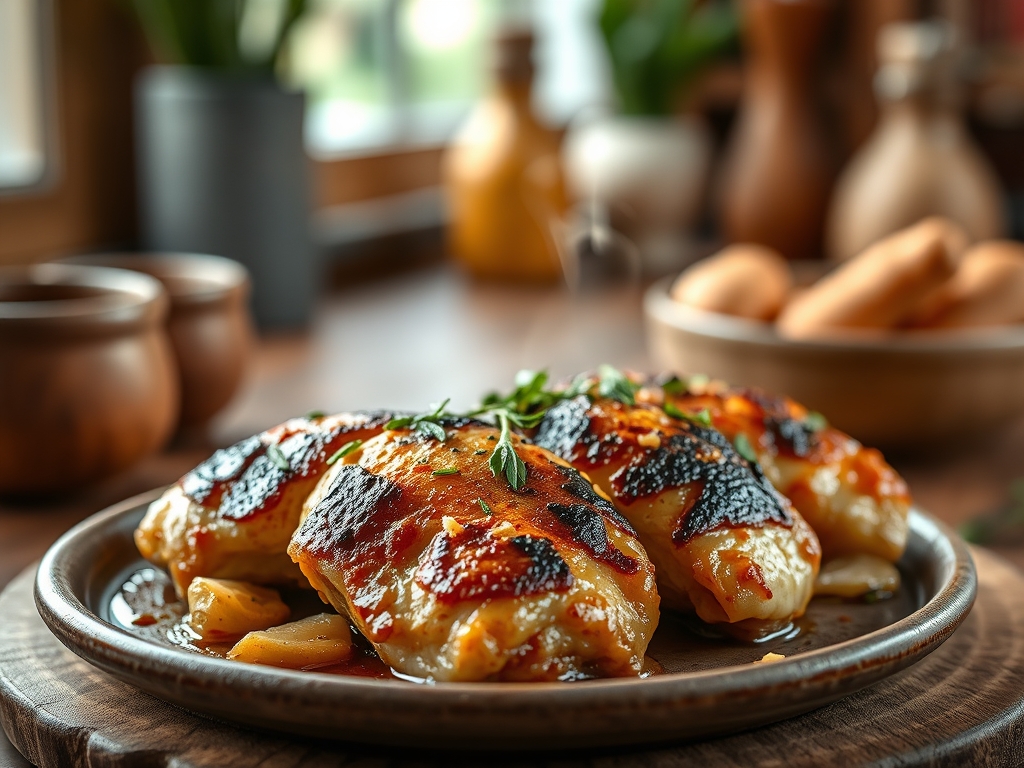
The first slice of a perfectly grilled chicken breast releases a wisp of steam, the surface striped with caramelized grill marks that snap under the knife. That sear isn't just beautiful, it's a textural anchor for meals built around weight loss healthy chicken recipes that refuse to compromise on flavor or satisfaction. When lean protein meets intelligent seasoning and cooking technique, you create dishes that sustain energy, preserve muscle mass, and demolish the myth that healthy eating requires bland sacrifice.
Chicken's mild canvas and exceptional protein-to-calorie ratio (roughly 31 grams of protein per 165-calorie breast) make it the workhorse of sustainable weight loss. These eight recipes lean into high-heat methods, acid-forward marinades, and vegetable-heavy accompaniments to deliver maximum satiety with minimal caloric load. Each dish clocks in under 450 calories per serving while maintaining the kind of flavor complexity that keeps you returning to the table without resentment or deprivation fatigue.
The Gathers
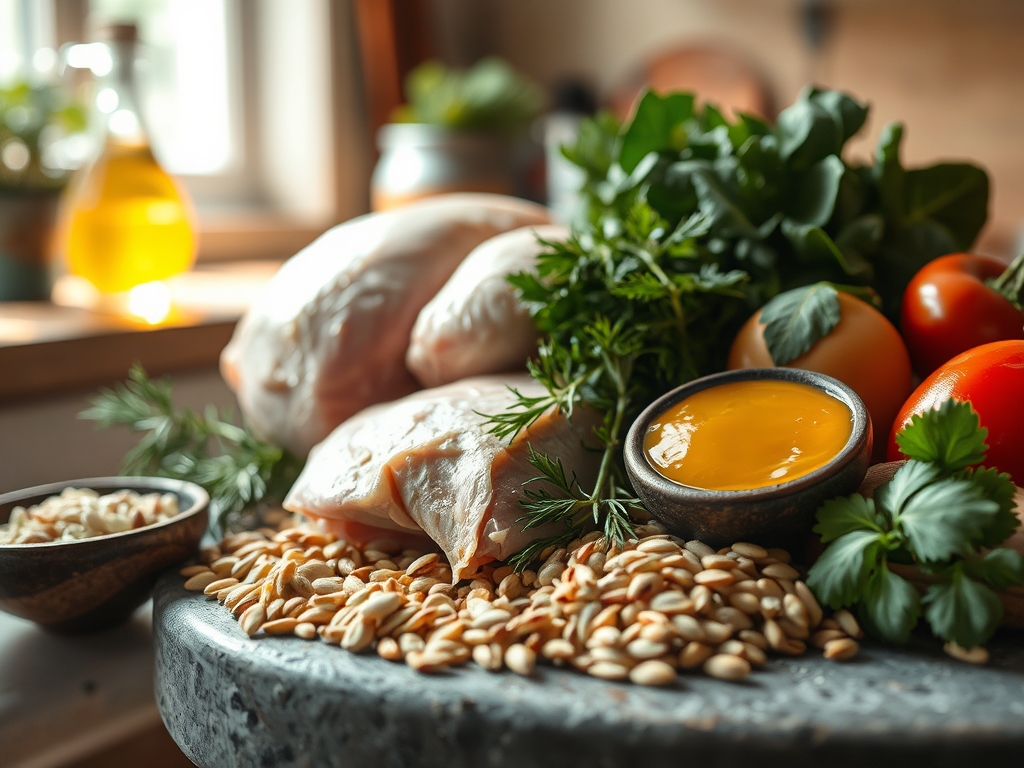
As you see in the ingredient spread below, the foundation starts with boneless, skinless chicken breasts or thighs (thighs carry an extra 50 calories per 4-ounce serving but offer insurance against dryness). Fresh garlic cloves, their papery skins still clinging, sit alongside bundles of cilantro, parsley, and thyme. Bright citrus, lemons and limes with taut, glossy peels, provide the acid backbone for tenderizing and flavor penetration.
Smart Substitutions pivot on your macros and preferences. Swap Greek yogurt (non-fat, 100 calories per cup) for sour cream in creamy applications. Replace standard soy sauce with coconut aminos to drop sodium by 40 percent. Use smoked paprika instead of liquid smoke for depth without additives. Cauliflower rice (25 calories per cup) displaces traditional grains when carb targets are tight, while zucchini noodles offer a similar caloric advantage with a more toothsome bite.
The Clock
Prep work spans 15 to 20 minutes: trimming silverskin, pounding breasts to uniform 3/4-inch thickness, and whisking marinades. Active cook time ranges from 12 to 25 minutes depending on method (grilling, pan-searing, or oven-roasting). Total time, including marination when applicable, sits between 35 and 90 minutes.
Chef's Flow prioritizes efficiency. Start proteins marinating first, then prep vegetables and aromatics. Preheat cooking surfaces (grill, cast iron, or oven) during vegetable prep so equipment hits target temperature exactly when proteins finish resting. Batch-cook grains or roasted vegetables on Sunday to collapse weeknight assembly to under 10 minutes.
The Masterclass
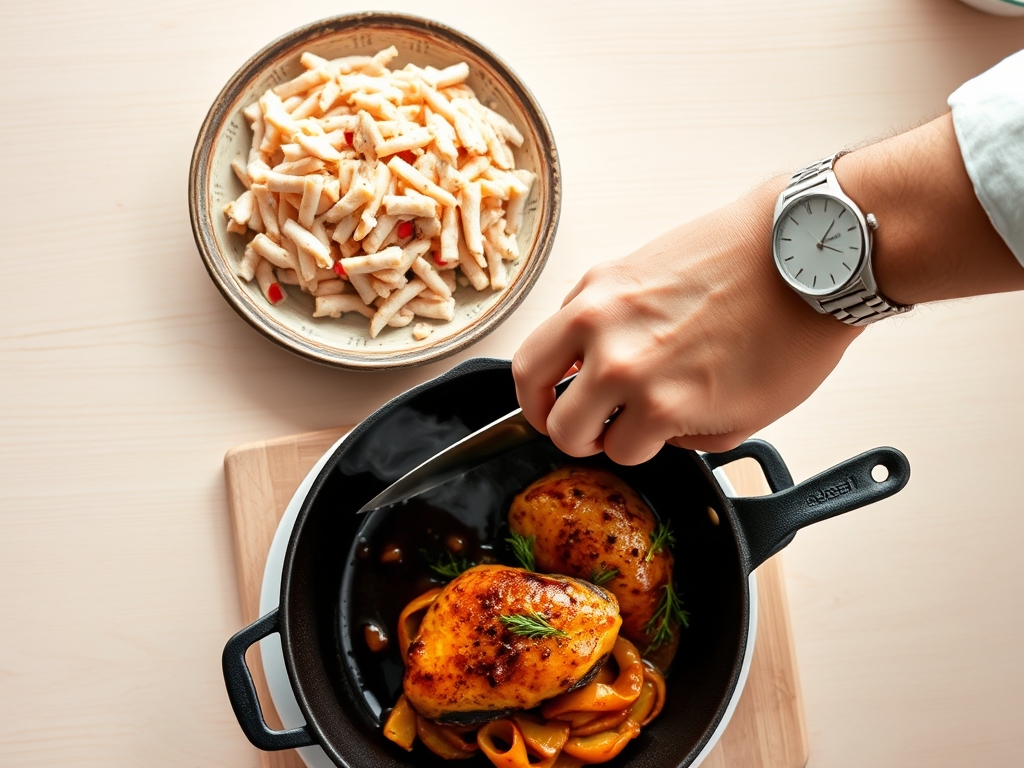
Note the texture shown in the step-by-step photos, where each technique builds structure and moisture retention.
Step 1: Brine or Marinate
Submerge chicken in a solution of 1 tablespoon kosher salt per quart of water for 30 minutes (maximum 2 hours to avoid mushy texture). Alternatively, coat in a yogurt-based marinade with lemon juice, garlic, and cumin.
Why It Works: Salt denatures surface proteins, allowing them to retain up to 10 percent more moisture during cooking. Yogurt's lactic acid tenderizes while its proteins create a protective sheath that buffers heat.
Step 2: Preheat Cooking Surface to 230°C (450°F)
Whether using a grill, cast iron skillet, or oven, let equipment stabilize at high heat for 10 minutes.
Chef's Secret: A properly preheated surface creates immediate Maillard browning (starting at 140°C/285°F), which locks in juices and builds the savory, roasted notes that make lean protein craveable.
Step 3: Sear Protein Without Movement
Place chicken presentation-side down and resist the urge to shift or peek for 4 to 5 minutes.
Why It Works: Movement disrupts crust formation. A golden-brown sear develops only when surface moisture evaporates completely and amino acids begin caramelizing. Patience here rewards you with restaurant-grade texture.
Step 4: Flip Once, Monitor Internal Temperature
Turn chicken when the first side releases naturally, then cook to 72°C (162°F) internal temperature.
Chef's Secret: Pull protein 3 to 5 degrees below your target and tent with foil. Thermal carryover will coast the internal temperature to a perfect 75°C (165°F) while keeping the muscle fibers from seizing and expelling moisture.
Step 5: Rest, Slice Against the Grain, Plate
Rest for 5 minutes, then slice on a bias against visible muscle fibers.
Why It Works: Resting redistributes juices throughout the meat. Slicing against the grain shortens muscle fibers, reducing perceived toughness and making every bite tender.
Nutritional Info
Each recipe averages 380 to 420 calories per serving. Macros break down to roughly 40 grams protein, 30 grams carbohydrates, and 10 grams fat. Fiber content ranges from 5 to 8 grams when paired with non-starchy vegetables or legumes. Sodium sits between 450 and 650 milligrams, controllable through reduced-sodium broths and finishing salts.
Dietary Swaps
Keto: Replace grain sides with cauliflower mash or roasted Brussels sprouts. Increase fat through avocado slices or a drizzle of extra-virgin olive oil to hit 70 percent fat macros. Vegan: Substitute extra-firm tofu, pressed and frozen then thawed for a meatier texture, using identical marinades. Gluten-Free: Confirm soy sauce is tamari or use coconut aminos. Most recipes are naturally compliant.
Serving & Presentation
Plating Idea 1: Fan sliced chicken over a bed of massaged kale dressed with lemon-tahini vinaigrette, scatter pomegranate arils for jewel-like pops of color. Plating Idea 2: Stack chicken atop a swirl of white bean puree (blended with roasted garlic and rosemary), drape with charred broccolini. Plating Idea 3: Arrange over zucchini noodles tossed in fresh basil pesto (made with half the oil, extended with reserved pasta water), garnish with shaved Parmesan.
The Pro-Dodge
Pitfall 1: Overcooking leads to chalky, dry meat. Fix: Invest in an instant-read thermometer and pull at 72°C (162°F). Pitfall 2: Underseasoning. Fix: Salt proteins 30 minutes before cooking for deeper penetration. Pitfall 3: Crowding the pan drops surface temperature, causing steaming instead of searing. Fix: Work in batches, leaving 2 inches between pieces.
The Meal Prep Corner
Cooked chicken holds in airtight containers for 4 days refrigerated, 3 months frozen. Slice only what you'll eat immediately; whole pieces retain moisture better. Reheat gently in a covered skillet with 2 tablespoons of chicken stock over medium-low heat, or microwave at 50 percent power in 30-second intervals. Store sauces separately to prevent sogginess. Marinated raw chicken freezes beautifully; thaw in the refrigerator overnight and cook within 24 hours.
The Wrap-Up
These eight weight loss healthy chicken recipes prove that cutting calories never means cutting corners on technique or taste. Master the fundamentals of brining, high-heat searing, and proper resting, and you'll build a rotation of meals that fuel your goals without triggering the monotony that derails progress. Share your favorite spin or plating idea in the comments; this kitchen thrives on your creativity.
The Kitchen Table
Q: Can I use chicken thighs instead of breasts?
Absolutely. Thighs add roughly 50 extra calories per serving but offer richer flavor and forgive slight overcooking. Adjust cooking time by 2 to 3 minutes.
Q: How do I prevent chicken from sticking to the grill?
Oil the grates (not the chicken) just before placing protein. Ensure the grill is fully preheated and the chicken is patted dry to eliminate surface moisture.
Q: What's the best way to add flavor without adding calories?
Lean on acid (citrus, vinegar), fresh herbs, garlic, ginger, and spices like cumin, smoked paprika, and coriander. These deliver intensity without fat or sugar.
Q: Can I marinate chicken overnight?
Yes, but avoid highly acidic marinades beyond 8 hours, which can turn the surface mushy. Oil-based or yogurt marinades tolerate longer times.
Q: Are these recipes suitable for meal prep?
Completely. Cook proteins and sides separately, store in portioned containers, and reheat gently. Quality holds strong through day four.