
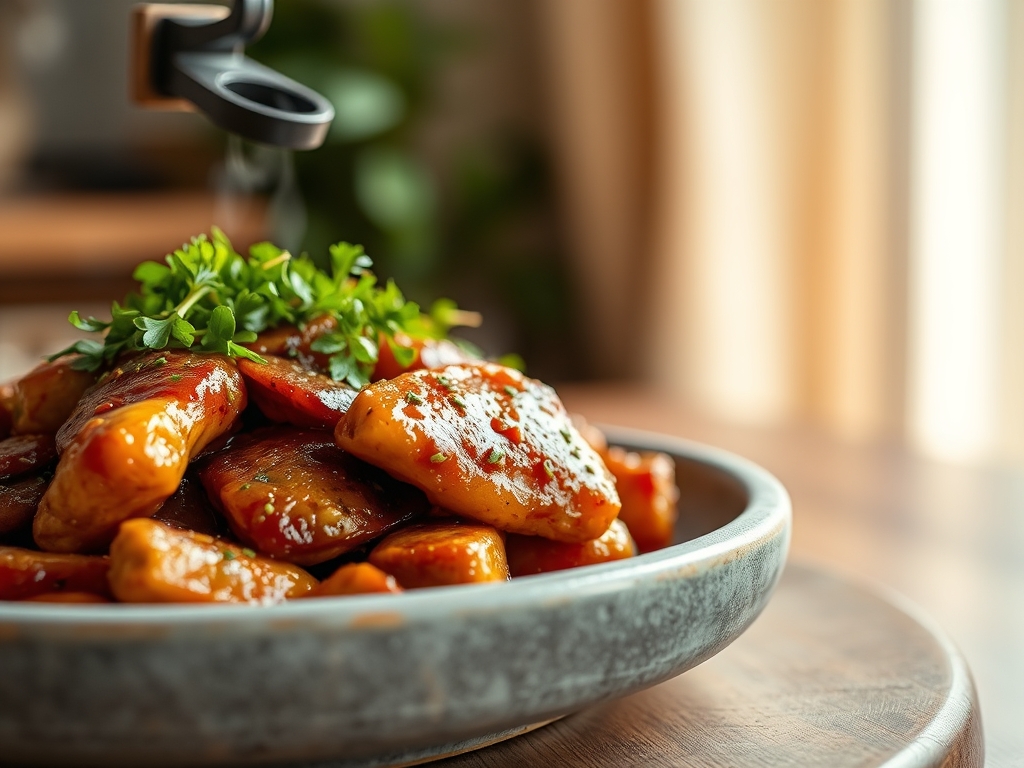
The crack of chicken skin hitting a screaming-hot pan, the immediate billow of caramelized soy steam, the way sugar and amino acids tangle into that glossy bronze shell: this is the alchemy that defines soy chicken recipes. Every tradition from Tokyo to Seoul to Sichuan has its own riff on this umami-rich formula, but the core science remains the same. Soy sauce delivers glutamates and sodium that penetrate muscle fibers while sugars char into complex Maillard compounds at 300°F+. The result is chicken that tastes deeper, darker, and more crave-worthy than any simple roast. These nine recipes span quick weeknight stir-fries, slow-braised thighs, and crispy wings, each engineered for maximum browning and balanced salinity. You'll learn how to control glaze viscosity, when to add sugar for shine without scorching, and why marination time matters less than you think. Whether you're feeding a family of four or meal-prepping for the week, these formulas deliver restaurant-caliber results with supermarket ingredients and zero guesswork.
The Gathers
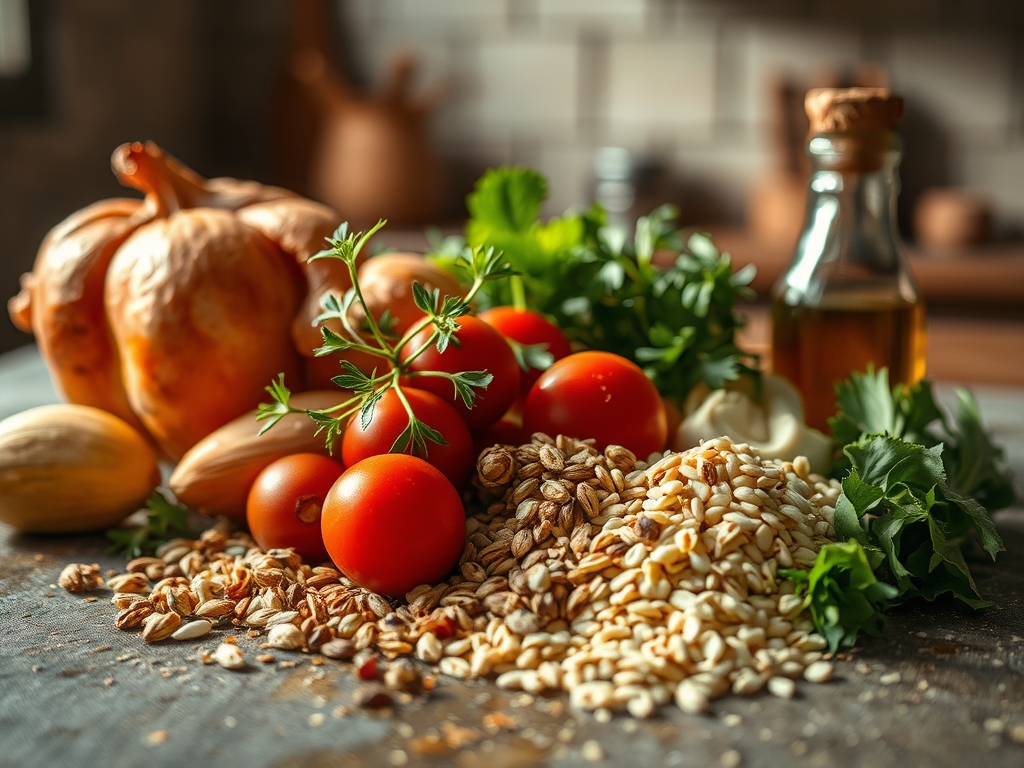
As you see in the ingredient spread below, this foundation starts with bone-in, skin-on chicken thighs (1.5 kg total), their marbling and connective tissue essential for moisture retention during high-heat cooking. Dark soy sauce (60 ml) provides color and mild sweetness, while light soy sauce (90 ml) brings sharp salinity and that unmistakable fermented funk. Raw honey (45 ml) balances the brine and caramelizes cleanly without crystallizing like granulated sugar. Fresh ginger root (30 g, peeled and sliced thin) and garlic cloves (6, smashed) anchor the aromatics, their sulfur compounds mellowing under heat into sweet, round bass notes.
Rice vinegar (30 ml) sharpens the glaze and counters fat, while toasted sesame oil (15 ml) adds nuttiness in the final moments. Scallions (4, cut into 2-inch batons) and white sesame seeds (10 g) finish the plate with textural contrast. Cornstarch (10 g) slurried with cold water thickens the pan sauce without cloudiness.
Smart Substitutions: Swap honey for maple syrup (same viscosity). Use tamari for gluten-free. Replace thighs with drumsticks (add 5 minutes cook time) or boneless breasts (reduce by 8 minutes, brine first).
The Clock
Prep Time: 15 minutes (trimming, slicing aromatics, mixing glaze).
Cook Time: 35 minutes (searing 8 minutes, braising 22 minutes, reduction 5 minutes).
Total Time: 50 minutes.
Chef's Flow: While chicken sears, prep your aromatics. As it braises, cook your rice or noodles. Use that 5-minute reduction window to blanch greens or set the table. Overlap tasks and you'll plate hot food without juggling chaos.
The Masterclass
Step 1: Dry and Score the Chicken
Pat thighs bone-dry with paper towels. Score the skin in a crosshatch (1 cm apart, 3 mm deep) to render fat faster and create surface area for glaze adhesion.
Why It Works: Moisture is the enemy of browning. Scoring breaks capillary networks in the skin, releasing subcutaneous fat that bastes the meat from within while crisping the exterior.
Step 2: Sear Skin-Side Down in a Cold Pan
Lay thighs skin-down in a cold stainless or cast-iron skillet. Turn heat to medium (325°F pan temp). Do not move them for 8 minutes.
Chef's Secret: Starting cold renders fat gently without burning proteins. You'll hear the sizzle build from whisper to roar as water evaporates and the Maillard reaction ignites.
Step 3: Flip and Add Aromatics
Turn thighs. Add ginger and garlic to the fat puddle around the edges (not directly under meat). Toast 90 seconds until fragrant.
Why It Works: Toasting aromatics in chicken fat blooms their essential oils and creates a flavor base that can't be replicated by adding them raw.
Step 4: Build the Braising Liquid
Pour in both soy sauces, honey, rice vinegar, and 120 ml water. Bring to a boil, then reduce to a bare simmer (190°F liquid temp). Cover loosely.
Chef's Secret: Loose covering allows some evaporation (concentrating flavor) while retaining enough steam to braise. A tight lid makes the sauce too thin.
Step 5: Braise Until Tender
Simmer 22 minutes, flipping thighs halfway. Internal temp should hit 175°F (collagen fully converts to gelatin at 160°F but needs time).
Why It Works: Dark meat thrives at higher temps. The extended gentle heat dissolves connective tissue into silky body without drying the muscle fibers.
Step 6: Reduce and Glaze
Remove chicken. Boil the liquid hard for 5 minutes until it coats a spoon. Stir in sesame oil. Add cornstarch slurry if needed (glaze should ribbon off a spoon, not bead).
Chef's Secret: Sesame oil added early turns bitter. Added at the finish, it perfumes the entire dish without losing its delicate aromatics to heat.
Step 7: Coat and Rest
Return chicken, spoon glaze over each piece three times. Rest 3 minutes off heat. Garnish with scallions and sesame seeds.
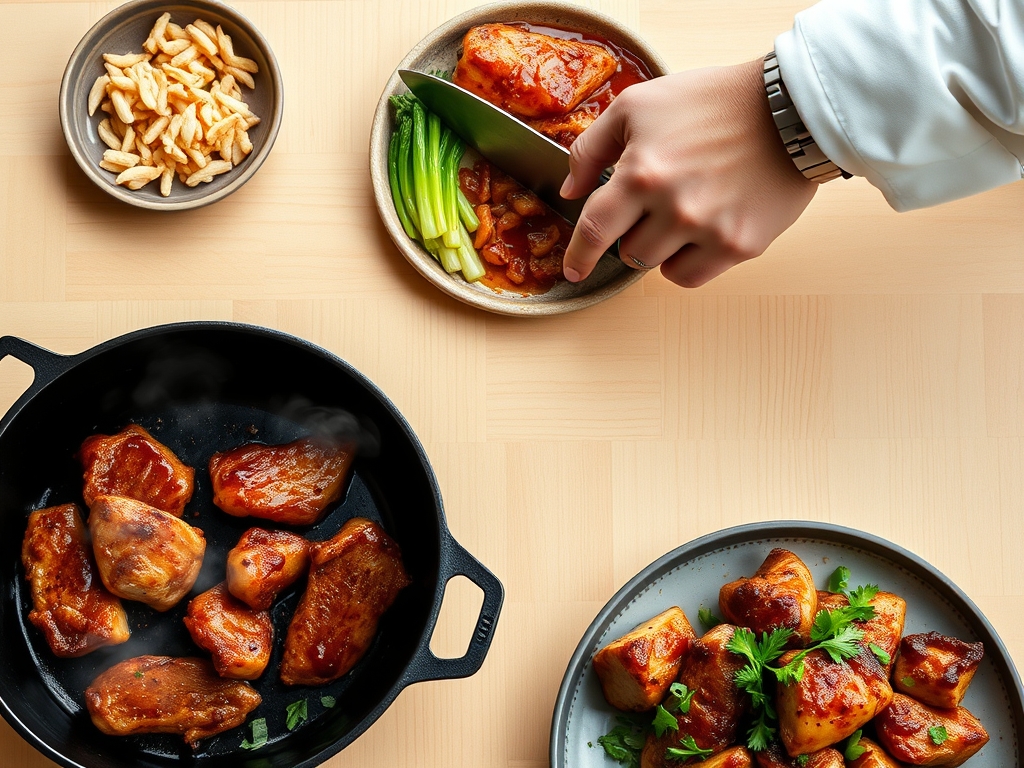
Why It Works: Resting redistributes juices. The glaze firms slightly as it cools, creating that iconic lacquered shell. Note the texture shown in the step-by-step photos: glossy, not wet.
Nutritional Info
Per serving (1 thigh with glaze):
Calories: 420 | Protein: 34 g | Fat: 24 g (saturated 6 g) | Carbs: 18 g | Fiber: 0.5 g | Sodium: 1,280 mg | Sugar: 12 g.
The sodium load is significant but necessary for flavor penetration. Balance the meal with unsalted sides like steamed rice and blanched greens.
Dietary Swaps
Keto: Replace honey with erythritol-based sweetener (1:1 ratio). Use 2x the cornstarch slurry since sugar contributes viscosity. Net carbs drop to 4 g per serving.
Gluten-Free: Substitute tamari or coconut aminos for both soy sauces. Flavor is nearly identical; slight sweetness variation.
Vegan: Use extra-firm tofu (pressed 20 minutes, cubed 1.5 inches). Sear all sides, reduce braising to 12 minutes. Add nutritional yeast (5 g) for savory depth.
Serving & Presentation
Option 1: Pool glaze on a warm white plate. Nestle thigh skin-up. Scatter scallion greens and toasted sesame. Lean jasmine rice alongside.
Option 2: Shred the meat, toss with glaze, and serve over sushi rice in a donburi bowl. Top with a soft-cooked egg (6-minute boil) and nori strips.
Option 3: Slice thighs into 1-inch strips. Arrange over butter lettuce cups with pickled ginger, shredded carrot, and crushed peanuts for a deconstructed wrap.
The Pro-Dodge
Pitfall 1: Glaze burns before chicken cooks through.
Fix: Reduce sugar by 10 ml and add it in the last 5 minutes of braising, not at the start.
Pitfall 2: Skin stays rubbery.
Fix: Sear longer (10 minutes if needed). Use a spatter screen to prevent grease splatter while maintaining high heat.
Pitfall 3: Glaze tastes one-dimensional.
Fix: Add 5 ml fish sauce or 2 g MSG during the reduction. Umami compounds layer complexity without identifiable "fishiness."
The Meal Prep Corner
Storage: Refrigerate in airtight containers (glaze and chicken together) up to 4 days. Freeze up to 2 months (thaw overnight in fridge).
Reheating: Oven at 375°F for 12 minutes retains crispness. Microwave (50% power, 2-minute intervals) works but softens skin. Add a splash of water to the glaze before reheating to restore sheen.
Day-One Quality Trick: Reserve half the glaze before coating. Reheat chicken, then dress with fresh warm glaze. The bright soy punch tastes just-made.
Wrap-Up: Your New Go-To
These soy chicken recipes strip away pretense and focus on what actually works: science-backed technique, bold flavors, and zero wasted motion. Master the sear, respect the braise, and control your glaze viscosity. The rest is just reps. Whether you're riffing on Korean yangnyeom, Japanese teriyaki, or Chinese hong shao, this formula adapts. Tag your plating photos, share your favorite aromatics, and let the community know which variation became your weeknight MVP.
The Kitchen Table
Q: Can I use chicken breasts instead of thighs?
A: Yes, but brine them first (5% salt solution, 30 minutes) and reduce braising to 14 minutes. Breasts lack fat and collagen, so they dry out faster.
Q: Why does my glaze separate or look greasy?
A: You didn't emulsify. Whisk the glaze constantly during reduction. The cornstarch slurry stabilizes the fat-water emulsion. Add it slowly while whisking.
Q: How do I make this spicier?
A: Add gochugaru (Korean chili flakes, 10 g) with the aromatics or Sichuan peppercorns (5 g, toasted and crushed) for numbing heat. Sriracha added at the end tastes flat; build heat during cooking.
Q: Can I skip the honey?
A: Technically yes, but you lose shine and caramelization. Use mirin (30 ml) or a pinch of sugar (8 g). The glaze will be thinner, so increase cornstarch slightly.
Q: What's the best side dish pairing?
A: White rice absorbs glaze beautifully. For contrast, serve with pickled cucumbers (rice vinegar, sugar, salt) or blanched bok choy with garlic. The acidity and bitterness cut the richness perfectly.