
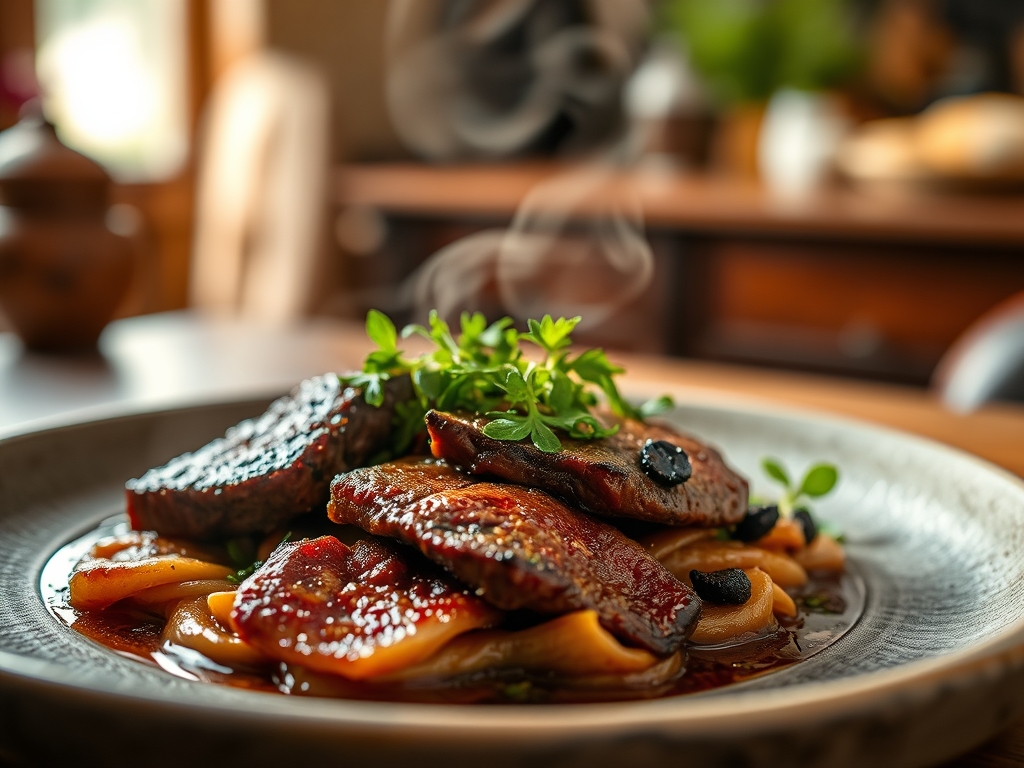
Imagine the sizzle of a heavy-bottomed skillet meeting a cold-aged ribeye; it is the sound of chemistry performing for your benefit. We are moving beyond the dry, uninspired meal prep of the past to embrace a world where flavor and fitness coexist. Finding beef recipes high protein in your weekly rotation does not mean sacrificing the velvety mouthfeel of a perfectly rendered fat cap or the piquant zing of a red wine reduction. It means mastering the art of the sear and the science of the slice.
We are diving into seven distinct ways to transform lean cuts into culinary masterpieces. Whether you are chasing a specific macro goal or simply want a dinner that makes your kitchen smell like a five-star bistro, these methods prioritize protein density without neglecting the soul of the dish. We will utilize everything from a microplane for aromatic zest to a digital scale for precision portioning. This is about building muscle and palate simultaneously. Get your apron ready; we are about to turn your kitchen into a high-performance laboratory of taste.
The Gathers:
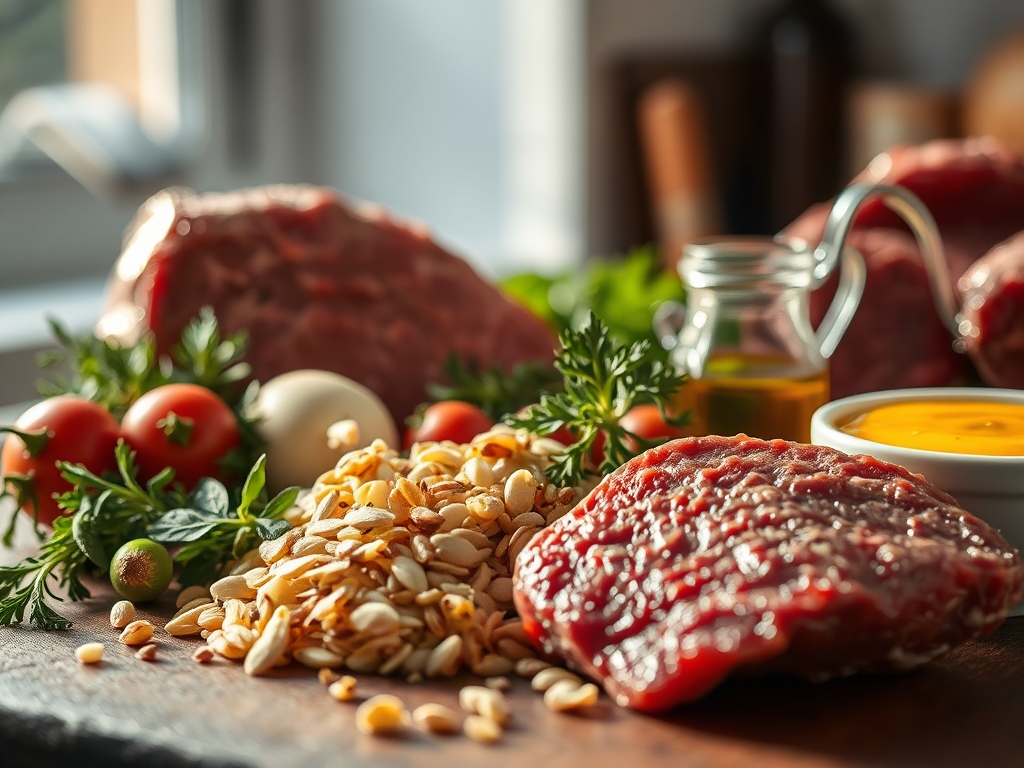
The mise-en-place is the heartbeat of any efficient kitchen. To execute these beef recipes high protein, you need to gather ingredients that offer maximum impact. Start with your proteins: top sirloin, flank steak, and 93/7 lean ground beef are your workhorses. These cuts provide a high protein-to-fat ratio, ensuring you hit your targets without excess caloric baggage. Look for deep cherry-red hues and minimal surface moisture; this indicates freshness and readiness for the Maillard reaction.
Next, focus on the aromatics and acids. You will need fresh garlic, shallots, and ginger to infuse your fats. For the pantry, keep high-quality soy sauce, balsamic vinegar, and a robust beef bone broth on hand. These liquids are essential for deglazing and creating a viscous sauce that clings to the meat. Do not forget the fats: avocado oil for high-heat searing and a small amount of grass-fed butter for finishing and basting.
Smart Substitutions:
If you are looking to lower the saturated fat even further, swap traditional ribeye for "Denver steaks" or "eye of round." For a lower-sodium profile, use coconut aminos instead of soy sauce. If you find yourself without fresh herbs, use a 1:3 ratio of dried to fresh, but be sure to bloom them in the oil first to release their volatile oils.
The Clock
Efficiency in the kitchen is about the "Chef's Flow." This is the practice of overlapping tasks so that no second is wasted. Most of these high-protein meals require 15 minutes of active prep and 10 to 20 minutes of cook time. The secret is the "rest and prep" method: while your beef rests on the cutting board to redistribute its juices, you are using that same time to toss your greens or whisk your dressing.
Total time from fridge to table should average 35 minutes. By using a bench scraper to quickly clear your station and a digital scale to measure ingredients directly into the pan, you eliminate unnecessary dishes and cognitive load. Remember, the clock starts the moment you sharpen your knife, not when the heat goes on.
The Masterclass
1. The High-Heat Sear
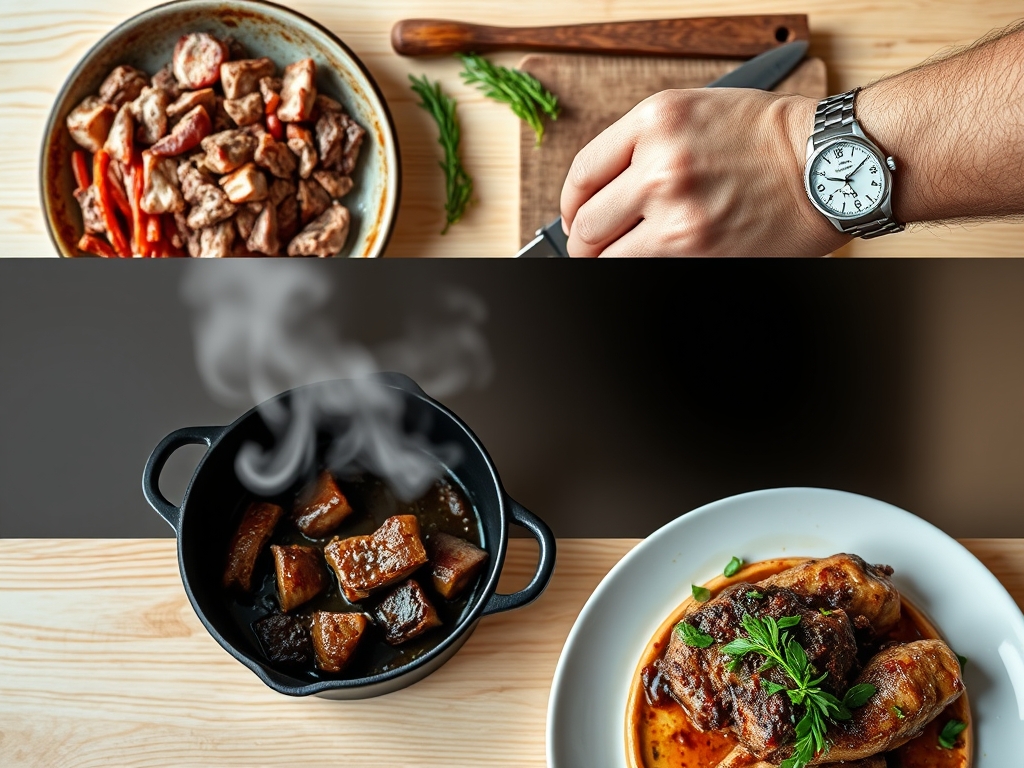
Pat your beef dry with paper towels to remove every trace of surface moisture. Season aggressively with kosher salt. Heat your heavy-bottomed skillet until the oil shimmers. Lay the beef away from you to avoid splashes and let it sit undisturbed for three minutes.
Pro Tip: This process relies on the Maillard reaction, a chemical reaction between amino acids and reducing sugars that gives browned food its distinctive flavor. If the meat is wet, it will steam instead of sear, preventing this flavor development.
2. The Deglaze and Emulsify
Once the meat is removed, you will see brown bits stuck to the pan. This is "fond." Pour in a splash of wine or broth and use a wooden spoon to scrape those bits up. Whisk in a cold pat of butter or a teaspoon of dijon mustard to create a stable emulsion.
Pro Tip: Emulsification occurs when you force two immiscible liquids, like oil and water, into a uniform mixture. The proteins in the mustard act as a stabilizer, creating a silky sauce that coats the back of a spoon.
3. The Precision Slice
Always slice your beef against the grain. Look for the direction of the muscle fibers and cut perpendicular to them. This shortens the fibers, making even the leanest cut feel tender and buttery in the mouth.
Pro Tip: This is a matter of mechanical tenderness. By cutting the long, tough muscle fibers into short segments, you do the work of the teeth beforehand, ensuring a more palatable experience with lean cuts.
4. The Aromatics Infusion
Lower your heat and add smashed garlic and thyme to the residual fat in the pan. Use a large spoon to continuously pour this flavored fat over the beef. This is called "basting" and adds a final layer of complexity.
Pro Tip: This is fat-soluble flavor extraction. Many of the aromatic compounds in garlic and herbs are not water-soluble; they require a lipid medium to effectively transfer their scent and taste to the meat.
5. The Thermal Rest
Transfer your beef to a warm plate and tent it loosely with foil. Let it rest for at least five to ten minutes depending on the thickness. This allows the internal temperature to stabilize and the juices to thicken.
Pro Tip: This accounts for thermal carryover. The internal temperature of the beef will continue to rise by 5 to 10 degrees after being removed from the heat. Pulling the meat early prevents overcooking.
The Deep Dive
When we look at the macro nutrition of these beef recipes high protein, we are aiming for a profile of roughly 40g of protein, 10g of fat, and minimal carbohydrates per serving. This makes beef an incredible tool for body composition. It is also a powerhouse of micronutrients like B12, Zinc, and Iron, which are more bioavailable in animal products than plant-based alternatives.
Dietary Swaps:
For a Keto version, serve your beef over a bed of sautéed spinach with extra tallow. For Gluten-Free needs, ensure your soy sauce is replaced with Tamari. If you are serving a Vegan guest, the same flavor profiles (garlic, rosemary, balsamic) can be applied to thick slabs of roasted cauliflower or portobello mushrooms, though the protein content will differ significantly.
The Fix-It:
- Tough Meat: You likely skipped the rest period or sliced with the grain. Fix it by slicing thinner and tossing in an acidic dressing to break down fibers.
- Burnt Fond: If the pan bits turn black, they are bitter. Discard them, wipe the pan, and start the sauce from scratch with fresh fat.
- Grey Meat: The pan wasn't hot enough or was overcrowded. Cook in smaller batches to maintain a high surface temperature.
Meal Prep Science:
To maintain "day-one" quality when reheating, avoid the microwave. Use a "low and slow" approach in a toaster oven or a quick flash-sear in a pan with a tablespoon of broth. This prevents the proteins from tightening up and becoming rubbery, a process known as protein denaturation.
The Wrap-Up
Mastering beef recipes high protein is about more than just hitting a number on a tracking app; it is about reclaiming the joy of a steakhouse dinner in your own kitchen. By understanding the science of the sear and the importance of the rest, you transform a simple ingredient into a high-performance fuel. Keep your tools sharp, your pans hot, and your curiosity peaked. Dinner is served, and it is exactly what your body needs.
The Kitchen Table
How do I make lean beef taste less dry?
The key is a combination of a hard sear and a proper rest. Additionally, using an acidic marinade with citrus or vinegar for 30 minutes can help break down tough connective tissues before the meat ever hits the pan.
What is the best cut for high-protein meal prep?
Top sirloin is the gold standard. It is relatively inexpensive, very lean, and holds up incredibly well to being reheated. Flank steak is a close second for its intense beefy flavor and ease of slicing.
Can I cook frozen beef safely?
Yes, but for the best texture, defrost it in the fridge overnight. If you must cook from frozen, use a sous-vide method to ensure the center reaches a safe temperature without overcooking the exterior into a leather-like consistency.
Why does my beef turn grey in the pan?
This happens when the pan temperature drops too low, causing the meat to boil in its own juices rather than sear. To fix this, pat the meat dry and avoid overcrowding the skillet; cook in batches if necessary.