
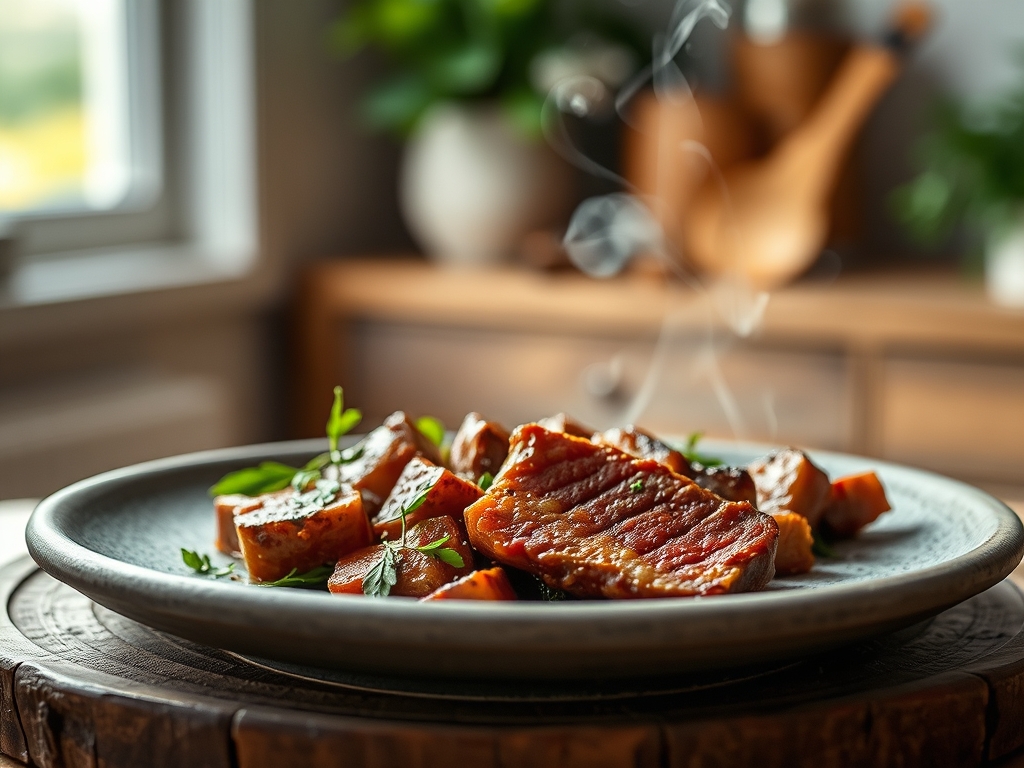
Picture the steam rising from a heavy-bottomed skillet as the distinct, nutty aroma of browning butter meets the savory depth of seared protein. When you master the art of meal prep beef recipes, you are not just cooking; you are engineering a week of effortless, high-performance fuel that tastes like a five-star reservation.
The secret to a successful week lies in the chemistry of the sear. We are moving beyond the sad, gray crumbles of uninspired ground meat. Instead, we are focusing on the Maillard reaction to lock in complex flavors that actually improve as they sit in your refrigerator. By understanding how connective tissues break down into silky gelatin, you can transform budget-friendly cuts into luxurious, tender bites. Grab your digital scale and your sharpest chef's knife; we are about to turn your kitchen into a high-efficiency flavor laboratory where science meets soul.
The Gathers:
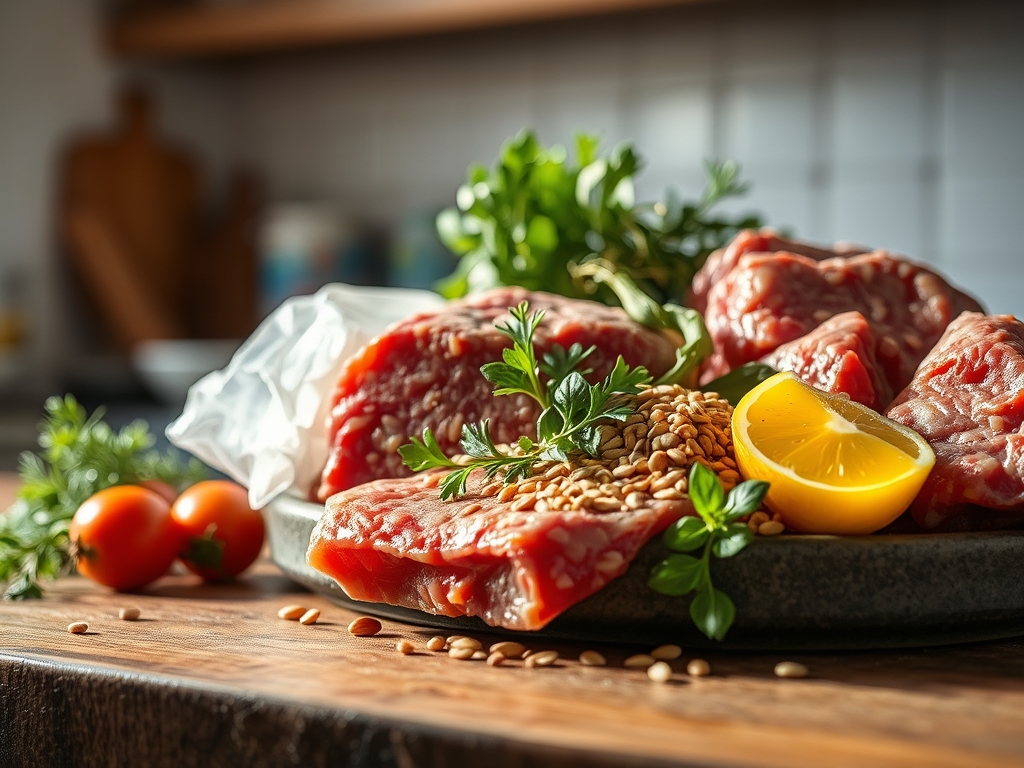
To execute these ten variations, your mise-en-place must be precise. Start with five pounds of grass-fed lean ground beef or flank steak, ensuring the surface is patted dry to prevent unwanted steam. You will need a piquant blend of aromatics: minced garlic, shallots, and ginger. For the viscous sauces that will coat your meal prep beef recipes, gather high-quality soy sauce, toasted sesame oil, and raw honey.
Smart Substitutions: If you are avoiding nightshades, swap chili flakes for white pepper to maintain a heat profile. For those seeking a lower glycemic index, use liquid aminos instead of traditional soy sauce. If flank steak is unavailable, a flat iron steak offers a similar lean-to-fat ratio and excellent grain structure for slicing. Always use a microplane for your aromatics to ensure they melt into the fat rather than burning on the pan surface.
The Clock
Efficiency is the hallmark of a professional kitchen. The "Chef's Flow" dictates that you prep all vegetables while your proteins temper at room temperature. Total active prep time for these ten variations is approximately 45 minutes, with a collective cook time of 60 minutes if you utilize multiple burners.
By using a large saucier for your liquid bases and a wide cast-iron surface for searing, you can batch-cook the foundational beef in 15-minute intervals. The goal is to minimize downtime. While the beef renders its fat, use your bench scraper to clear your station and organize your glass storage containers. This synchronized approach ensures that by the time the last batch is deglazed, your kitchen is already halfway clean.
The Masterclass:
1. The Foundation Sear
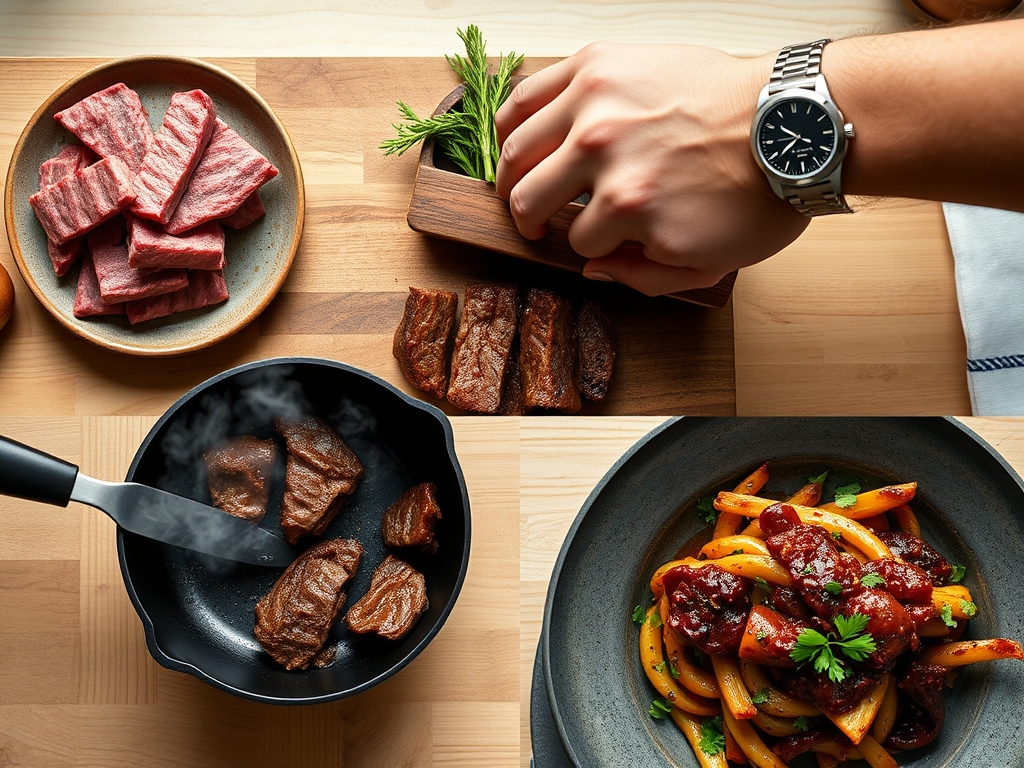
Begin by heating your skillet until it reaches the smoke point of your chosen oil. Add the beef in a single layer, resisting the urge to stir immediately. You want to achieve a deep, mahogany crust across the surface area.
Pro Tip: This is the Maillard reaction in action. By allowing the beef to remain undisturbed, you facilitate the chemical reaction between amino acids and reducing sugars, creating hundreds of different flavor compounds that boiled meat simply lacks.
2. Deglazing for Depth
Once the meat is browned and removed, you will notice brown bits stuck to the bottom of the pan. Pour in a splash of beef stock or dry red wine and use a wooden spoon to scrape the bottom.
Pro Tip: This process, known as deglazing, captures the "fond." This concentrated essence is the secret to a rich, professional-grade sauce. It incorporates the caramelized proteins back into your meal prep beef recipes for maximum umami.
3. Emulsifying the Sauces
Combine your liquids like balsamic glaze, coconut aminos, or tahini in a small saucier over low heat. Whisk vigorously as you introduce fats like grass-fed butter or sesame oil.
Pro Tip: Emulsification is the process of forcing two immiscible liquids into a stable mixture. By whisking slowly and maintaining a consistent temperature, you create a silky texture that coats the beef evenly without breaking during the reheating process.
4. Precision Slicing
For the steak-based recipes, allow the meat to rest for at least ten minutes before using your knife. Slice against the grain at a 45-degree angle to produce the most tender mouthfeel.
Pro Tip: Resting the meat allows for "thermal carryover." The internal temperature will continue to rise by about five degrees, and the muscle fibers will relax, reabsorbing the juices so they do not end up on your cutting board.
5. Flash Cooling
Divide the finished beef into shallow containers rather than one large pot. This allows the heat to dissipate rapidly before you place them in the refrigerator.
Pro Tip: Rapid cooling is essential for food safety and texture. If you trap steam in a closed container, the beef will continue to cook, leading to a rubbery texture. Shallow containers increase the surface area for faster heat exchange.
The Deep Dive
Macro Nutrition
Beef is a nutritional powerhouse, providing high-density heme iron and vitamin B12. On average, a 4-ounce serving of these meal prep beef recipes yields 25 to 30 grams of protein and approximately 200 calories, depending on the leanness of the cut. This makes it an ideal anchor for muscle recovery and metabolic health.
Dietary Swaps
- Vegan: Substitute the beef with extra-firm pressed tofu or tempeh. Use "no-beef" bouillon to mimic the savory profile.
- Keto: Replace honey or sugar in sauces with monk fruit sweetener and serve over riced cauliflower.
- Gluten-Free: Ensure your soy sauce is replaced with Tamari or coconut aminos to avoid hidden wheat fillers.
The Fix-It
- The Problem: The beef is tough and chewy.
- The Fix: You likely crowded the pan, causing the meat to steam in its own juices. Next time, cook in smaller batches to maintain high surface heat.
- The Problem: The sauce is too thin and watery.
- The Fix: Create a slurry of arrowroot powder and cold water. Whisk it into the simmering sauce to increase viscosity without altering the flavor.
- The Problem: The flavor feels "flat" after reheating.
- The Fix: Acids dull over time. Add a fresh squeeze of lime or a dash of apple cider vinegar right before serving to brighten the dish.
Reheating Science
To maintain "day-one" quality, avoid the microwave's high-power setting. Use 50% power to prevent the fat from exploding and the proteins from tightening. Alternatively, reheat in a covered skillet with a tablespoon of water to create a steam-chamber effect, which restores moisture to the fibers.
The Wrap-Up
You are now equipped with the technical prowess to dominate your weekly food prep. By focusing on the science of the sear and the precision of the slice, you have elevated meal prep beef recipes from a chore to a culinary triumph. Remember, great cooking is simply the successful management of heat and moisture. Go forth, use your tongs with confidence, and enjoy the luxury of a perfectly prepared meal every single day of the week. Your future self will thank you for the effort you put into the pan today.
The Kitchen Table
How long does meal prep beef stay fresh?
When stored in airtight glass containers at or below 40 degrees Fahrenheit, cooked beef remains at peak quality for three to four days. Always ensure the meat has cooled completely before sealing the lid to prevent bacterial growth from condensation.
Can I freeze these beef recipes?
Yes, most beef preparations freeze beautifully for up to three months. To prevent freezer burn, use vacuum-sealed bags or remove as much air as possible from freezer-safe containers. Thaw in the refrigerator overnight before reheating for the best texture.
What is the best cut for budget-friendly meal prep?
Ground beef (90/10) or top round steak are excellent budget choices. These cuts are lean, versatile, and absorb marinades efficiently. Using a slow cooker or braising technique can also turn tougher, cheaper cuts like chuck roast into tender delights.
Why does my beef turn gray instead of brown?
Gray beef is a result of moisture on the surface or overcrowding the pan. Both issues lower the pan temperature, causing the meat to boil in its juices rather than sear. Pat the meat dry and cook in small, spaced-out batches.