
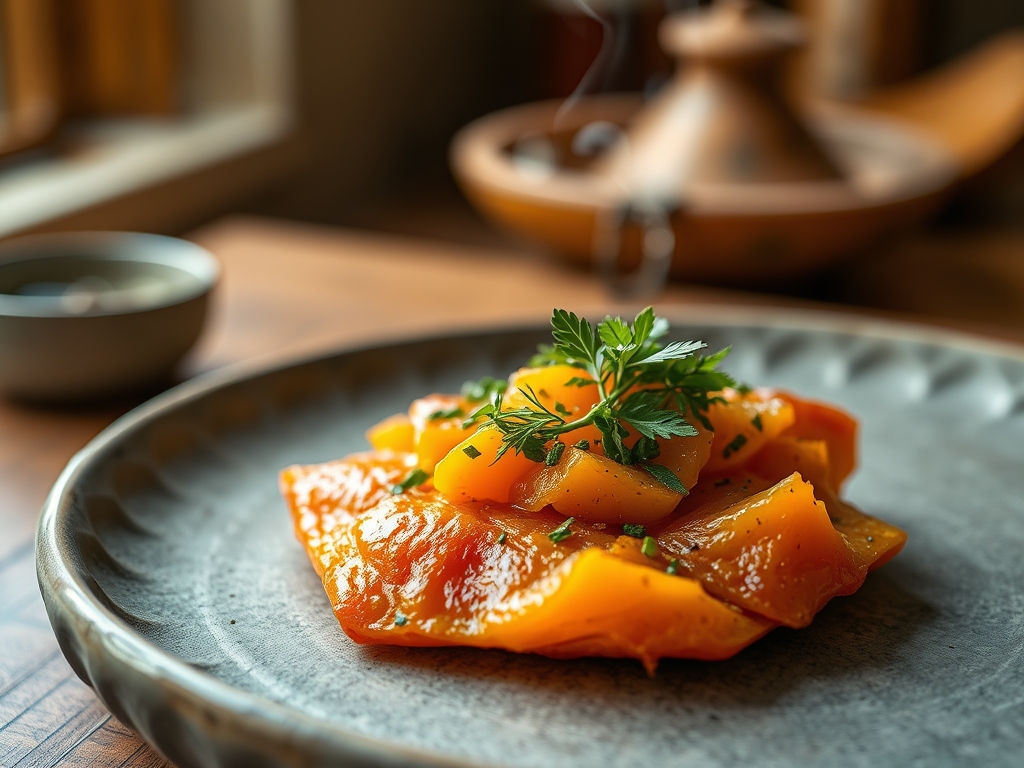
Imagine the scent of caramelized sugars hitting a hot cast iron surface; it is a heady, earthy perfume that signals the arrival of the ultimate comfort food. While most people relegate these tubers to a sugary holiday side dish, we are reclaiming them for the modern kitchen. Mastering fresh sweet potato recipes requires more than just a vegetable peeler; it demands an understanding of how starch converts to maltose under heat. We are moving beyond the marshmallow topping and diving into a world where salt, acid, and high-heat techniques transform a humble root into a culinary masterpiece. Whether you are looking for a crispy exterior or a velvety puree, the secret lies in the cellular structure of the potato itself.
The magic of these tubers is their versatility. They can be whipped into a cloud-like mousse or sliced into translucent ribbons that fry into brittle, salty chips. By the time we finish this session, you will view that pile of orange roots on your counter as a blank canvas for savory experimentation. We are talking about deep, complex flavors that balance the natural sweetness with piquant spices and rich fats. Get your apron on and clear your workspace; it is time to elevate your kitchen game with the science of flavor.
The Gathers:
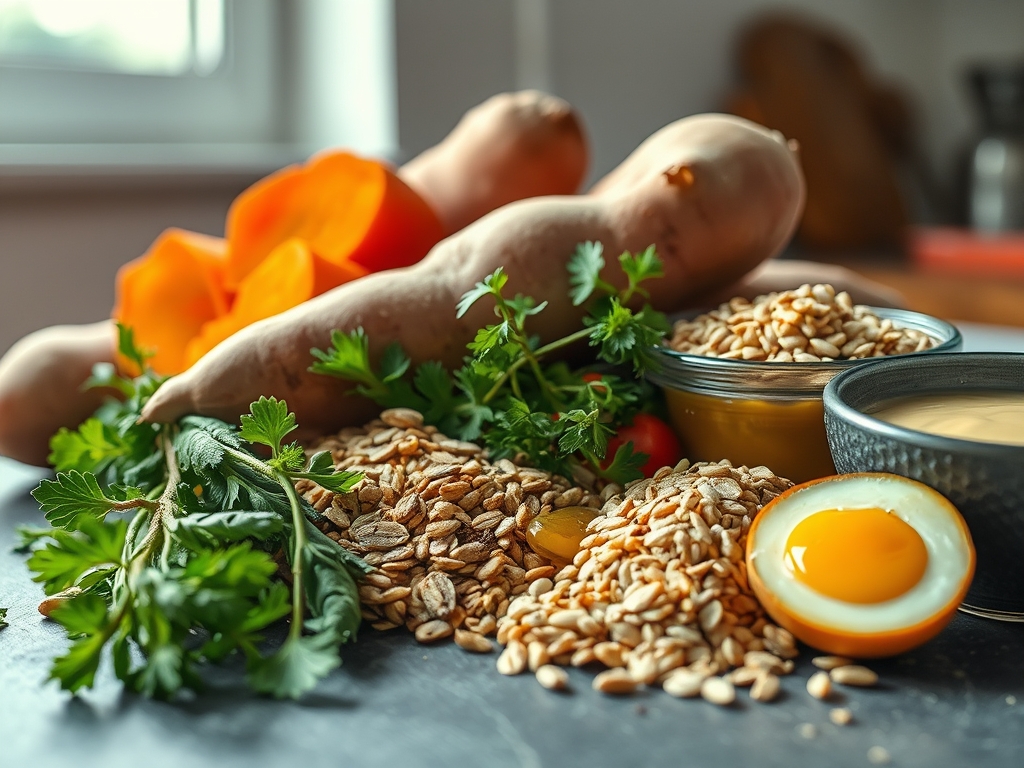
Before we ignite the burners, let us organize our mise-en-place. For these fresh sweet potato recipes, you need high-density tubers; look for specimens that feel heavy for their size, indicating a high moisture content. You will need a digital scale to ensure precision, especially when we start balancing the ratio of starch to fat. On your workstation, you should have a sharp chef knife, a microplane for zesting aromatics, and a bench scraper to clear your board.
Our flavor profile relies on high-quality fats. Grab a bottle of extra virgin olive oil for roasting and unsalted grass-fed butter for finishing. For the savory edge, gather smoked paprika, cumin, and flaky sea salt. Do not forget the acid; a splash of apple cider vinegar or a squeeze of lime is essential to cut through the density of the starch.
Smart Substitutions:
If you are out of traditional orange-fleshed jewels, Japanese sweet potatoes (Satsuma-imo) offer a starchier, chestnut-like flavor that holds its shape beautifully during roasting. For a lower glycemic index, you can swap half the sweet potato for parsnips. If you lack fresh herbs, a high-quality dried thyme infused into warm oil will mimic that garden-fresh brightness.
The Clock:
Efficiency in the kitchen is about "Chef's Flow." This is the art of overlapping tasks so no time is wasted. Prep for these hacks takes approximately 15 minutes of active knife work. The cooking duration varies from 10 minutes for a quick sauté to 45 minutes for a deep, slow roast.
To optimize your time, always preheat your oven and your heavy-bottomed skillet before you even touch the potatoes. While the oven reaches temperature, perform your washing and chopping. If a recipe requires boiling, get your water salted and simmering early. This "parallel processing" ensures that by the time your prep is finished, your cooking vessels are at the perfect thermal state to receive the ingredients.
The Masterclass:
1. The High-Heat Roast
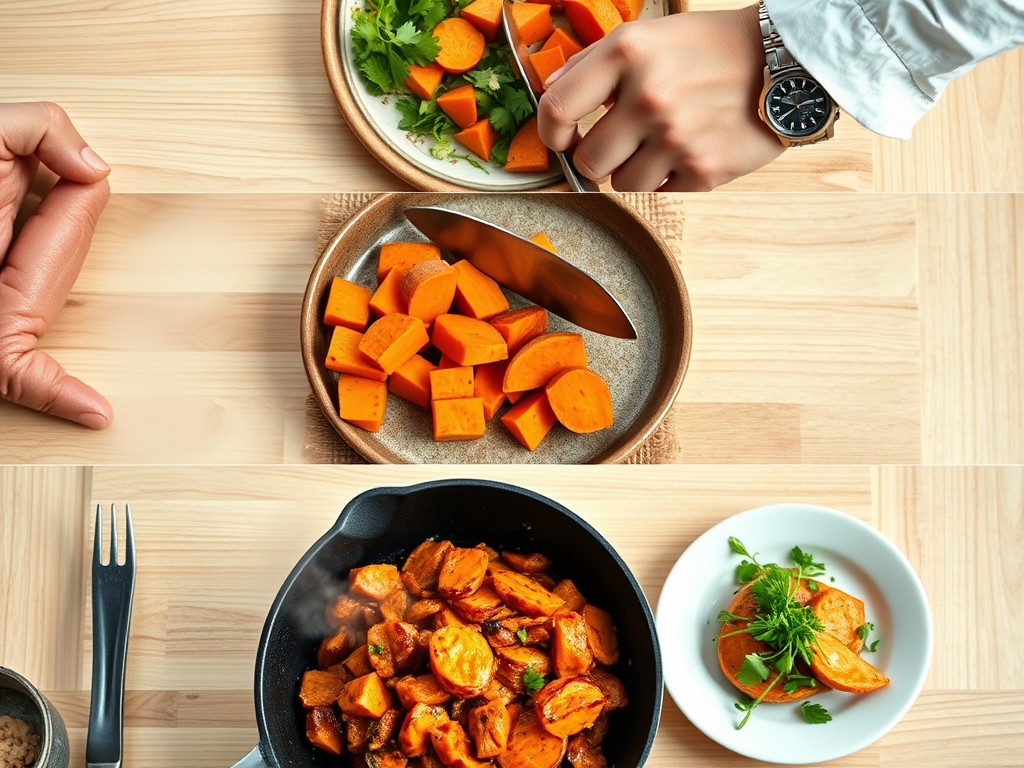
Start by cubing your potatoes into uniform one-inch pieces. Toss them in a bowl with oil and salt until every surface is glistening. Spread them on a preheated sheet pan, ensuring they do not touch. This prevents steaming and encourages a crisp exterior.
Pro Tip: This relies on the Maillard reaction. By preheating the pan, you trigger immediate moisture evaporation. If the pan is cold, the potatoes will dump their internal water, leading to a mushy texture rather than a caramelized crust.
2. The Savory Mash
Boil peeled chunks in heavily salted water until a fork slides through with zero resistance. Drain them thoroughly and return them to the hot pot for sixty seconds to cook off excess moisture. Use a saucier to warm your cream and butter before incorporating them.
Pro Tip: Warming your dairy prevents the starch molecules from seizing. This creates a more viscous and silky mouthfeel because the fats can emulsify more effectively with the warm potato starch.
3. The Mandoline Ribbon Fry
Use a mandoline to create paper-thin slices. Pat them completely dry with a lint-free towel. Drop them into 350-degree oil in small batches, using tongs to keep them submerged and moving.
Pro Tip: Drying the slices prevents enzymatic browning and reduces oil splatter. Removing surface moisture allows the oil to instantly crisp the cell walls, resulting in a brittle, professional-grade chip.
4. The Hasselback Technique
Place a potato between two wooden spoons and slice thin slits across the top. The spoons act as a guard to prevent cutting all the way through. Brush with garlic-infused butter and roast until the "leaves" fan out.
Pro Tip: This increases the surface area for heat distribution. The fan shape allows for thermal carryover to reach the center of the potato more quickly, ensuring the middle is creamy while the edges turn golden brown.
5. The Spiralized Noodle Sauté
Turn your potatoes into long, curly noodles using a spiralizer. Sauté them in a wide pan with a bit of oil over medium-high heat for just 5 to 7 minutes. Season with lime and chili flakes.
Pro Tip: Speed is key here to avoid breaking the delicate strands. High heat allows the exterior to render its natural sugars quickly, keeping the "noodle" al dente rather than limp.
6. The Stuffed Breakfast Boat
Bake the potato whole until soft, then slice it down the middle. Fluff the interior with a fork and add a soft-poached egg, avocado, and hot sauce. It is a nutrient-dense start to the day.
Pro Tip: Leaving the skin on provides structural integrity. The skin acts as a natural insulator, trapping steam inside to cook the flesh uniformly through conductive heating.
7. The Sweet Potato Gnocchi
Mix cooled, mashed potato with flour and a pinch of nutmeg. Roll into ropes and cut into small pillows. Boil until they float, then sear in a pan with sage butter.
Pro Tip: Do not overwork the dough. Over-mixing develops gluten, which makes the gnocchi rubbery. You want to gently fold the flour in to maintain a light, aerated texture.
8. The Grated Hash Brown
Grate raw potato into a bowl of cold water to rinse off excess starch. Squeeze them bone-dry in a kitchen towel. Fry in a hot pan until a deep amber crust forms.
Pro Tip: Removing the surface starch is vital. Excess starch creates a gummy mess in the pan; by rinsing it away, you allow the individual shreds to crisp up independently.
9. The Velvety Soup Base
Simmer roasted sweet potatoes with vegetable stock, ginger, and coconut milk. Use a high-speed blender to process until completely smooth. Garnish with toasted pumpkin seeds.
Pro Tip: Blending at high speeds shears the starch granules. This creates a naturally viscous texture without the need for thickeners like flour or cornstarch.
10. The Salt-Crusted Slow Bake
Rub whole potatoes with oil and roll them in coarse kosher salt. Bake at a lower temperature (325 degrees) for a longer period. The salt draws out moisture and concentrates the flavor.
Pro Tip: The salt crust acts as a secondary oven. It stabilizes the temperature around the skin, leading to a concentrated, candy-like interior that is far superior to standard baking.
The Deep Dive:
Sweet potatoes are a nutritional powerhouse, loaded with beta-carotene, fiber, and Vitamin C. From a macro perspective, they provide complex carbohydrates that offer sustained energy release. For those on specific diets, these fresh sweet potato recipes are naturally gluten-free. For a Vegan version, swap butter for coconut oil or avocado oil. For Keto enthusiasts, keep portions small and pair them with high-fiber greens to mitigate the carb count.
The Fix-It:
- Soggy Fries: You likely overcrowded the pan. Spread them out so air can circulate.
- Bitter Taste: This usually happens from burning the sugars too fast. Lower your heat slightly.
- Grainy Mash: You likely used a blender for the mash. Use a ricer or masher instead to avoid breaking the starch cells too aggressively.
Meal Prep Science:
To maintain "day-one" quality, reheat your potatoes in an air fryer or oven rather than a microwave. Microwaves vibrate water molecules, which can make the starch structure collapse and become soggy. A dry heat source recrisps the exterior and maintains the internal fluffiness.
The Wrap-Up:
You are now armed with the technical knowledge to turn a simple root vegetable into a gourmet experience. From the chemistry of the Maillard reaction to the precision of a Hasselback cut, you have moved beyond basic cooking into the realm of culinary artistry. Remember, the best fresh sweet potato recipes are the ones where you play with the balance of salt, fat, and heat. Go forth, experiment with your heavy-bottomed skillet, and show those tubers who is boss. Your kitchen is going to smell incredible tonight.
The Kitchen Table:
How do I stop sweet potatoes from getting mushy?
Ensure you pat them completely dry after cutting. Use high heat and avoid overcrowding the pan. This allows moisture to evaporate instantly rather than steaming the vegetable from the inside out.
Can I eat the skin of the sweet potato?
Absolutely. The skin contains significant fiber and nutrients. When roasted at high heat with a bit of oil and salt, it becomes crispy and adds a wonderful textural contrast to the soft interior.
Why are my roasted sweet potatoes bitter?
This is usually caused by over-caramelization. The natural sugars can burn if the oven temperature is too high or if they are sliced too thin. Aim for 400 degrees Fahrenheit for the perfect balance.
What is the best way to store fresh sweet potatoes?
Store them in a cool, dark, and dry place like a pantry. Do not refrigerate raw sweet potatoes; the cold temperature can change their cell structure and lead to a hard center and unpleasant taste.